25 October 2026, 08:20
Loading...
Bloomberg: Europe discusses keeping gas transit through Ukraine

oEnergetice.cz, ČTK
11 June 2024, 20:35
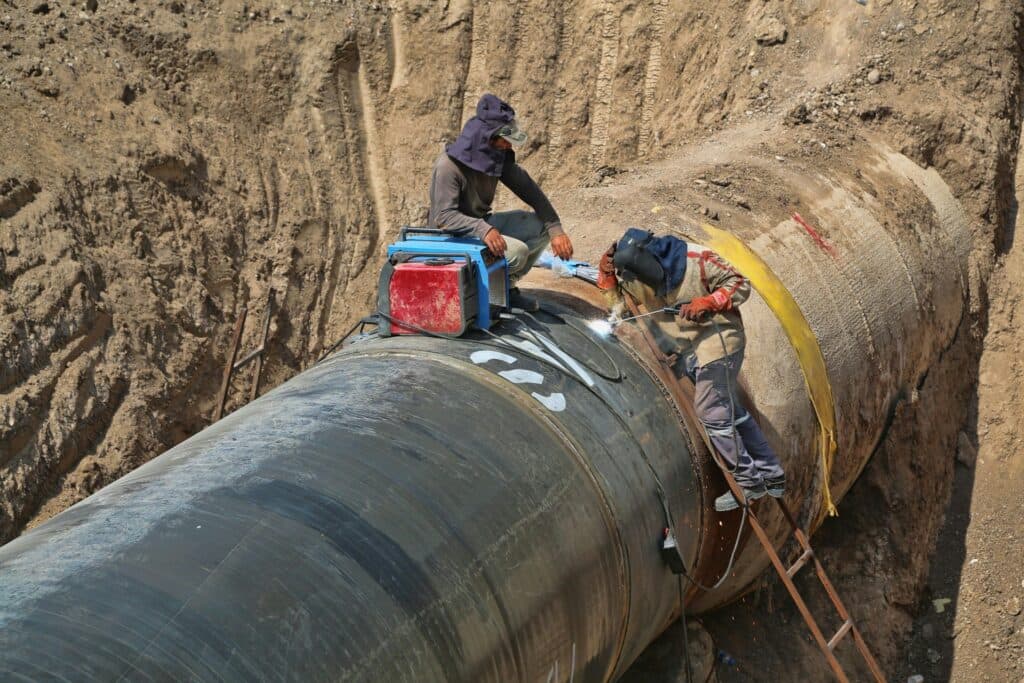
European officials are discussing how to maintain natural gas supplies through a pipeline running from Russia via Ukraine to Europe. They are seeking to avert further negative effects of the war in Ukraine on the European energy market. Bloomberg reported the talks, citing sources familiar with the situation.
In response to Russia’s invasion of Ukraine, Europe is seeking to end its imports of natural gas from Russia, but some European countries still import Russian gas through a pipeline running via Ukraine. The current agreement on the transit of Russian gas through Ukraine to Europe expires at the end of this year. According to Bloomberg’s sources, however, officials from some European governments and businesses are discussing with their Ukrainian counterparts how to maintain the transit of Russian gas through Ukraine to Europe next year.
Sources say the talks include the possibility of European companies importing gas purchased in Azerbaijan through the pipeline running from Russia via Ukraine. This would allow Europe to avoid buying Russian gas at a time when it is seeking to limit Moscow’s ability to finance the war in Ukraine.
Ukraine is likely to be receptive to this option, Bloomberg reports, because it needs revenue from gas transit fees. „Ukraine has enormous infrastructure for gas transit and storage, which should be used,“ said Oleksiy Chernyshov, head of Ukraine’s state-owned gas company Naftogaz. „Ukraine is destined to use this infrastructure because it brings a number of benefits,“ he added.
Chernyshov ruled out any transit plan involving cooperation with Russian state-owned gas company Gazprom. He added that transporting gas originating in Azerbaijan „could have some future“.
Bloomberg’s sources caution, however, that talks on transiting gas originating in Azerbaijan are still at an early stage and that it is unclear whether an agreement will be reached. A number of details still need to be resolved, and developments on the battlefield could also prove an important factor.
Slovakia is one of the key countries that could benefit from a possible agreement. After visiting Azerbaijan in May, Prime Minister Robert Fico said the outcome would depend on negotiations between the parties involved over the economic and pricing terms of transit. Slovakia could import some of the gas from Azerbaijan for its own use and send the rest to other countries, he said.
Russia currently supplies around 15 billion cubic metres of gas a year to Europe through a pipeline via Ukraine, mainly to Slovakia and Austria. The European Commission (EC) believes the European Union can cope with the end of Russian gas transit through Ukraine. Some EU member states are more sceptical, however, and fear a repeat of the energy crisis, Bloomberg reports.
Translation disclaimer
This article is a machine translation of the Czech original and has not yet been fully reviewed. In case of any doubt, please refer to the Czech version.
Sdílejte článek prostřednictvím:
You might also like

23 October 2026, 14:38