4 November 2026, 14:17
Loading...
Czech industry ministry presents energy policy update, with nuclear and renewables to lead

oEnergetice.cz, ČTK
7 February 2024, 11:38
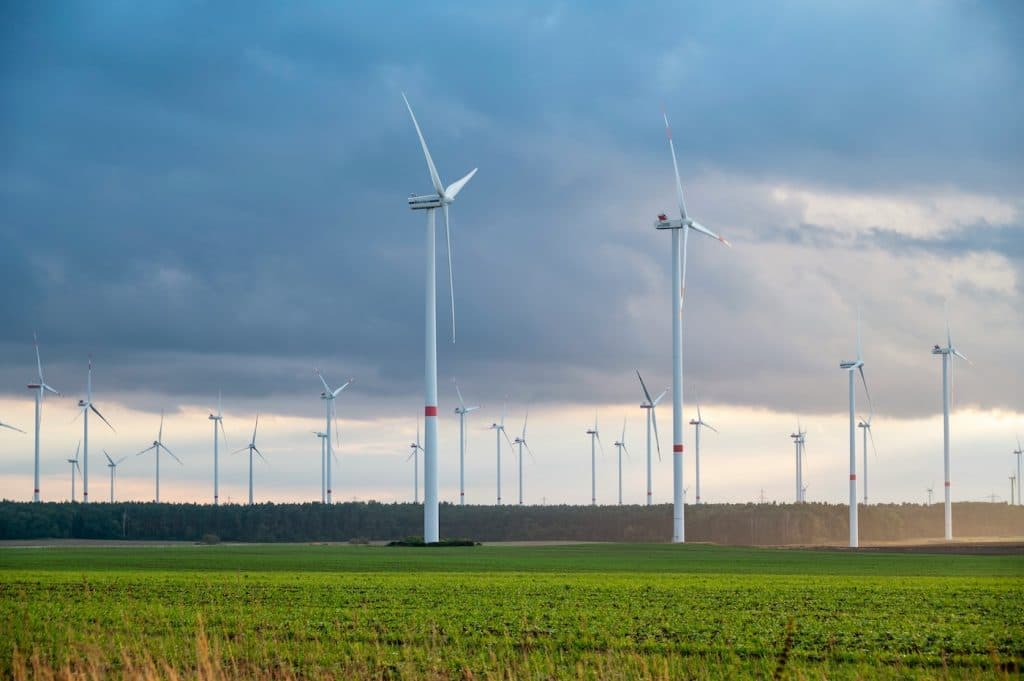
Czech energy policy is set to rely on nuclear power and renewable energy sources in the future, with their share expected to at least double in the coming decades. That is the plan set out in the updated State Energy Policy, a draft of which the Ministry of Industry and Trade (MPO) submitted today for interministerial consultation. The draft also envisages using natural gas as a transitional fuel and gradually phasing out coal by 2033. The MPO informed journalists of the plan in a press release today. This is the first update to the policy since 2015.
Industry and Trade Minister Jozef Síkela (STAN) stressed the need to update the policy, noting that the energy sector is undergoing its biggest changes in decades. “That is why today we submitted an update to this policy for interministerial consultation. Its aim is to ensure sufficient energy supplies for households and businesses while also addressing the challenge of climate commitments and decarbonising the energy sector,” he said.
According to the ministry, the gradual reduction of greenhouse gas emissions should be the main focus of the domestic energy sector’s future development. The plans envisage the Czech Republic cutting emissions by as much as 63% from 1990 levels by 2030 and moving closer to climate neutrality by 2050. The country is therefore planning a major transformation of its energy sector.
Under the policy, this transformation should be based on a significant expansion of renewable energy generation, a temporary moderate increase in gas use, a gradual phase-down of coal-fired generation and a stable role for nuclear power in both electricity production and, increasingly, heat production.
The strategy therefore envisages renewable energy sources accounting for 36% to 44% of primary energy consumption by 2050. Their share currently stands at around 18%. Another key element of the policy is the development of nuclear power, including the replacement of existing nuclear units.
The draft policy also reaffirmed plans for a gradual reduction in coal use, particularly for electricity and heat production. After 2033, coal consumption in the Czech Republic should be limited to non-energy uses.
In this context, and in anticipation of higher electricity consumption, the strategy envisages using natural gas as a transitional fuel. Gas should serve as a bridging fuel until new nuclear and renewable sources are available. Over the longer term, the draft plans for natural gas to be gradually replaced by low-carbon and renewable gases, primarily biomethane and hydrogen.
The State Energy Policy is a strategic document that sets the country’s future energy goals and priorities. It is binding on the public administration and is intended to set out the government’s energy vision for the market, along with the outlook for individual measures and support schemes.
sip rdo
Translation disclaimer
This article is a machine translation of the Czech original and has not yet been fully reviewed. In case of any doubt, please refer to the Czech version.
Sdílejte článek prostřednictvím:
You might also like

4 November 2026, 12:34

4 November 2026, 09:09