EU is importing record volumes of Russian LNG this year. Traders stock up ahead of looming ban

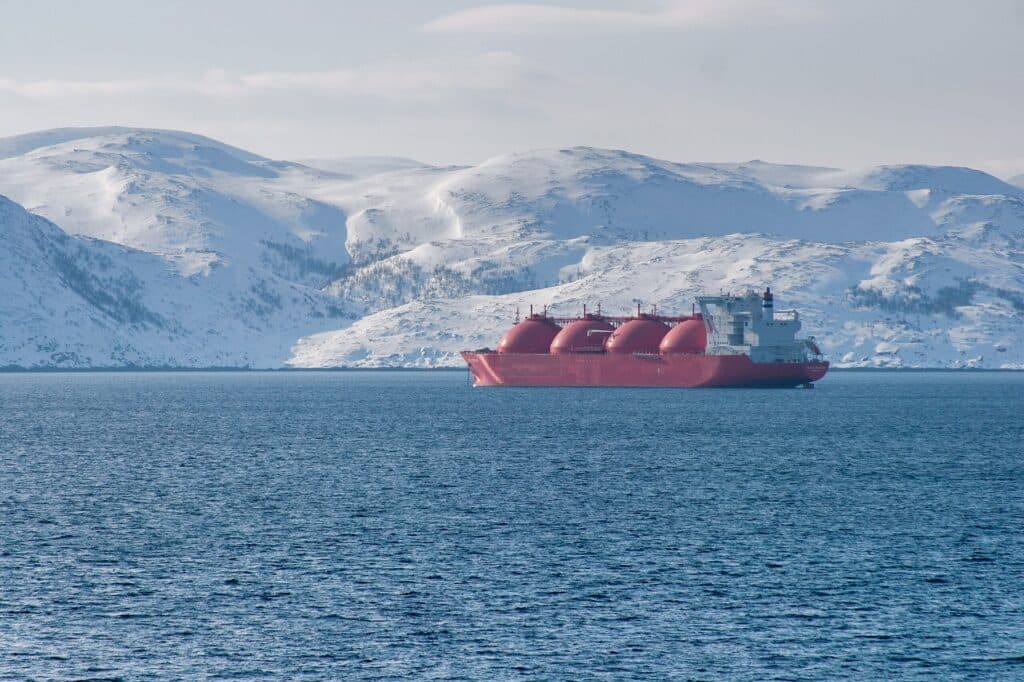
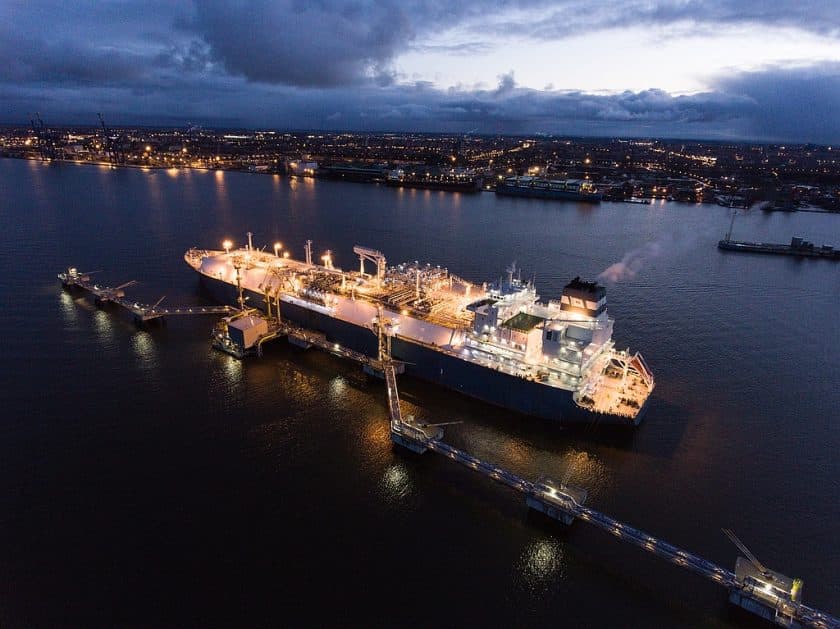
While the European Union says it is seeking to completely cut ties with Russian energy sources, the reality in commodity markets points in the opposite direction. In the first half of this year, imports of liquefied natural gas (LNG) from Russia’s key Yamal terminal reached record levels. Analysts say the increase is primarily driven by traders seeking to stock up ahead of the EU embargo taking effect.
According to Reuters, data from analytics company Kpler showed that EU member states imported a total of 9.89 million tonnes of LNG from Russia’s Yamal terminal in the first half of this year. That was an 18% increase year on year. European entities are estimated to have paid up to 6 billion euros for these deliveries. The main destinations in the EU for Russian LNG remain France (3.6 million tonnes), Belgium (2.9 million tonnes) and Spain (2.7 million tonnes).
The sharp increase in Russian LNG imports is paradoxically being driven by tightening EU legislation. The European Union has approved a ban on imports of Russian LNG under long-term contracts, effective from 1 January 2027. The current record intake therefore appears to reflect European buyers’ efforts to maximise imports while they still can. The ban on transshipment at European ports has also likely contributed to higher imports. More than 97% of all Yamal production was shipped to the EU between January and June this year.
Russian gas (delivered by pipeline and as LNG) still accounted for around 13% of total EU imports last year. Although the European Commission proposed phasing out short-term contracts earlier as part of its legislative package, fully replacing these volumes will require securing stable alternative supplies.
Geopolitical dilemma and market reality
Rising imports of Russian LNG come at a sensitive time, with European officials under pressure. While revenues from gas sales continue to flow into the Russian state budget, the European market fears that ending Russian LNG imports, combined with instability in the Middle East, could trigger another price shock ahead of the winter season.
Translation disclaimer
This article is a machine translation of the Czech original and has not yet been fully reviewed. In case of any doubt, please refer to the Czech version.