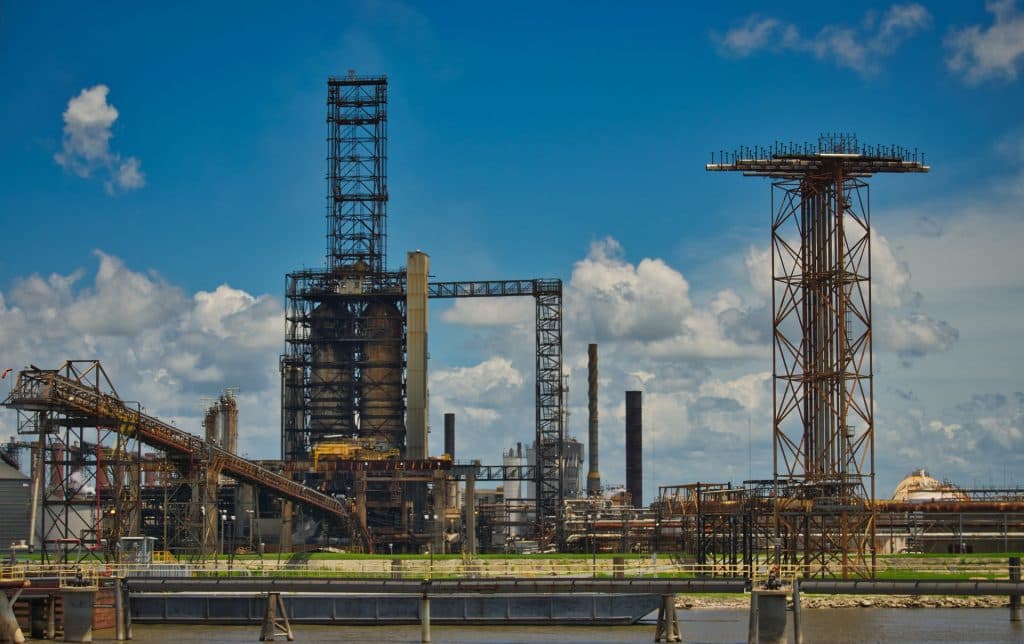
Gas turbines are in high demand. The situation could threaten Czech decarbonisation plans

Martin Voříšek
Martin Voříšek
22 May 2025, 10:39
na-plynove-turbiny-se-stoji-fronta-situace-muze-ohrozit-i-ceske-dekarbonizacni-plany

The market for turbines for gas-fired and combined-cycle power plants is facing high demand driven by ambitious decarbonisation targets, a growing need for flexible generation sources and potentially higher electricity consumption resulting from the expansion of data centres. Increased demand could mean that gas-fired and combined-cycle power plants will not be ready as quickly as the ambitious decarbonisation plans of a number of countries, including the Czech Republic, require. 

The transition to low-emission energy systems in many countries is based on the development of renewable sources, to be complemented by gas-fired and combined-cycle power plants. In this context, gas is often described as a bridging fuel that will ensure grid stability and sufficient flexibility during the shift away from coal-fired generation towards renewables.

The Czech Republic is no exception. For these very reasons, up to 5 GW of new gas-fired and combined-cycle capacity could be built in the Czech Republic by 2030. Of this, the state-controlled company ČEZ plans to build 1.5 GW. Other new capacity will be built by companies from the EPH Group, with projects planned, for example, by the Opatovice power plant and the Komořany power plant.

Siemens, plynová turbína, gas turbine, ccgt
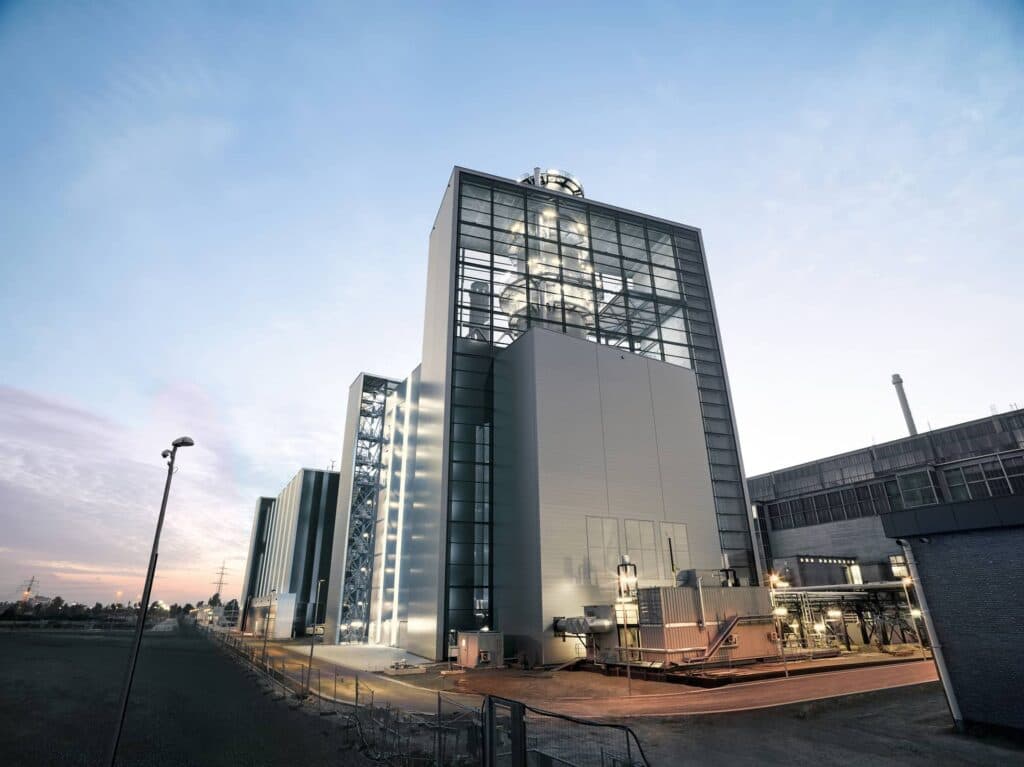
Gas turbine. Source: Siemens Energy

The timely delivery of a turbine appears to be a crucial aspect of building gas-fired capacity. Demand for turbines currently significantly exceeds the manufacturing capacity of their main suppliers. Moreover, the situation is not expected to change in the coming years. Therefore, unless the future operator of a new combined-cycle power plant has already secured turbine delivery, the entire construction project may be delayed.

Strong market demand

However, demand in the market for turbines for gas-fired and combined-cycle plants is high, and capacity for their manufacture may not be sufficient. An analysis by Wood Mackenzie says this situation could persist until 2040, or for another 15 years.

Demand in the turbine market was already growing last year, with market volume increasing by a third year on year. This year is unlikely to be any different. Gas-fired generation is now the main alternative to variable renewable generation. As a result, it is not only Europe that is relying on it.

EPH, Daniel Křetínský, Německo, Paroplynová elektrárna, plyn, gas, ccgt
LEAG's Leipheim gas-fired power plant, part of the EPH Group. Source: Siemens Energy

Wood Mackenzie expects gas-fired and combined-cycle plants with approximately 890 GW of installed capacity to be commissioned globally over the next 15 years. Nearly half of this capacity is in the United States and China.

Leading turbine manufacturers report backlogs

This year, growth in demand for gas turbines is likely to continue. As stated by GE Vernova, one of the three main turbine suppliers, “rising electricity demand is significantly extending lead times for its gas turbines, with some deliveries scheduled as late as the end of this decade.

Siemens Energy, which together with Mitsubishi Power completes the trio of leading turbine suppliers, is in a similar position. According to Rich Voorberg, president of Siemens Energy North America, Siemens Energy's order intake doubled year on year in the first quarter of this year.

Siemens, plynová turbína, gas turbine, plynová elektrárna
Genelba gas-fired power plant, Argentina. Source: Siemens Energy

Mitsubishi Power also confirms the growing trend in orders. Vice President Peter Sawicki told Power magazine that the company is returning to a time when it receives deposits for the manufacture of turbines that will not be delivered for several years.

The Czech Republic relies on gas-fired capacity

Gas-fired and combined-cycle plants are intended to ensure a smooth transition in the Czech Republic between electricity generation from coal and generation from nuclear energy. A smooth replacement of coal is necessary, as coal accounts for approximately 35 % of total electricity generation, while new nuclear units will not be commissioned before 2036, and very likely later.

Under political plans, coal should be phased out around 2033. However, it cannot be ruled out that coal's role in the energy mix will decline much faster for economic reasons, further accelerating the pressure to replace it with gas. For example, state-controlled company ČEZ expects the operation of its coal-fired plants to cease being profitable at the turn of 2027 and 2028.

Paroplynová elektrárna Počerady, ČEZ
Počerady combined-cycle power plant. Source: ČEZ

It is precisely for this period that several GW of gas-fired and combined-cycle capacity are set to be built in the Czech Republic. Plans to build these facilities also have support among lawmakers. This is reflected in the recently approved amendment to the Energy Act and the Strategic Infrastructure Act, known as Lex Plyn, which is intended to substantially facilitate the construction of gas-fired capacity so that it is ready in time and can replace coal in the energy mix.

Accelerated permitting is, however, only a partial issue. Another may be the aforementioned availability of turbine manufacturing capacity. Unless the future operator of a new gas-fired power plant has already reserved a production slot for a turbine, it will likely have to accept a longer wait for the turbine to be manufactured.

Translation disclaimer

This article is a machine translation of the Czech original and has not yet been fully reviewed. In case of any doubt, please refer to the Czech version.