Low gas storage levels in Germany threaten the energy security of the entire EU

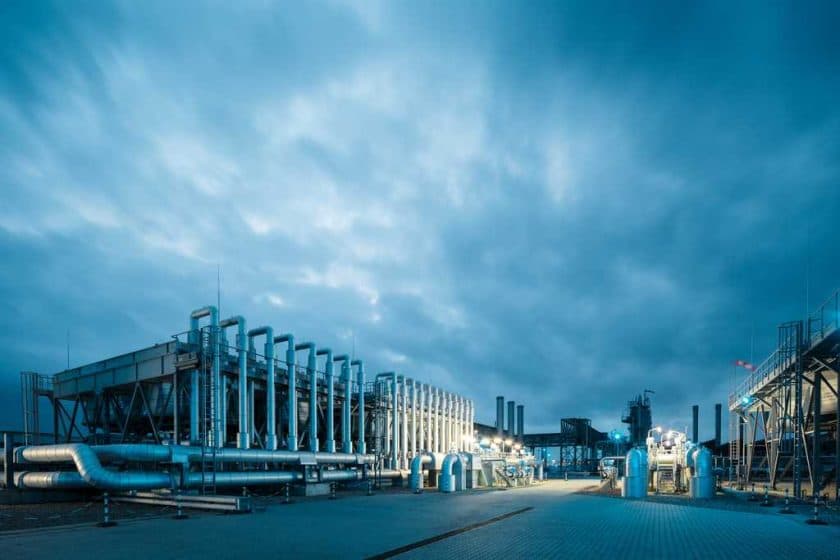
The European natural gas market is facing heightened jitters ahead of the next winter season. The reason is below-average gas storage levels, particularly in Germany, which has the largest storage capacity in the European Union. The situation is further complicated by persistent geopolitical tensions in the Middle East, which continue to constrain natural gas supplies to the European market.
As of mid-July, European gas storage facilities are around half full. In Germany, however, they are less than 44% full, the lowest level for this time of year since 2021. This significantly limits the flexibility of the European market and Germany’s ability to act as a guarantor of energy security in Central and Western Europe.
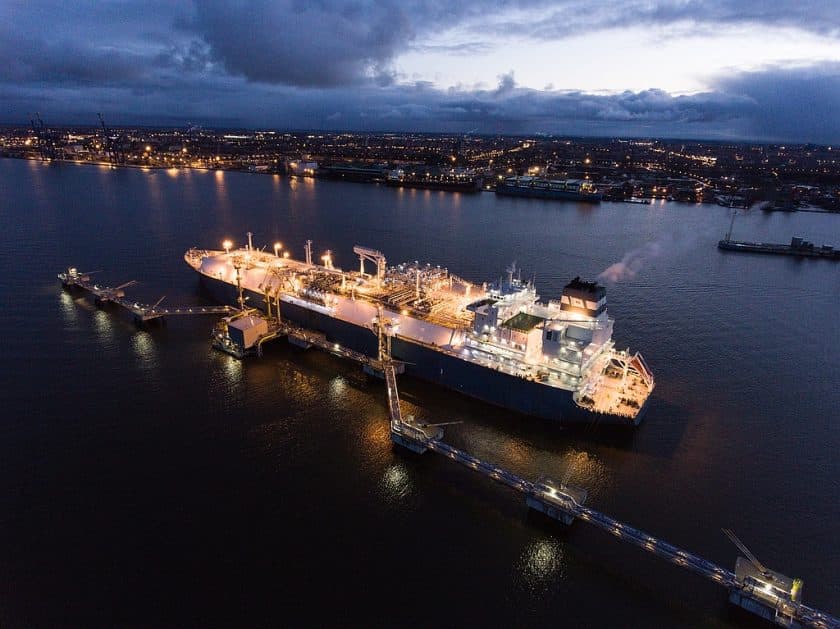
Due to limited supplies of liquefied natural gas (LNG) to the global market as a result of the ongoing war between the US and Iran, it is highly likely that European countries will not meet their original target of filling storage facilities to 90% before winter. Current realistic estimates are closer to a maximum of between 70 and 80% of total capacity.
Strategic reserve still nowhere in sight
Although Germany’s Ministry for Economic Affairs recently presented plans to establish a new state strategic reserve with a capacity of 24 TWh, actual filling will not begin before next summer. The legislative process is still at an early stage, government approval is expected in mid-August, and parliamentary debate will not begin before late September.
In the event of extremely low temperatures this coming winter, this lack of preparedness could have consequences beyond Germany’s borders. According to Clean Energy Wire, Germany is obliged under bilateral and trilateral solidarity agreements to provide gas to neighboring countries such as Austria, Denmark and Italy in an emergency. The German ministry has not yet specified whether the planned reserve will also serve these purposes.
Although the German ministry believes security of supply is assured thanks to imports from Norway and new LNG terminals, analysts warn that current imports are going directly to consumption and do not allow underground gas storage facilities to be adequately filled.
Translation disclaimer
This article is a machine translation of the Czech original and has not yet been fully reviewed. In case of any doubt, please refer to the Czech version.