Many people in Czechia risk outages and pressure fluctuations by relying on old gas regulators
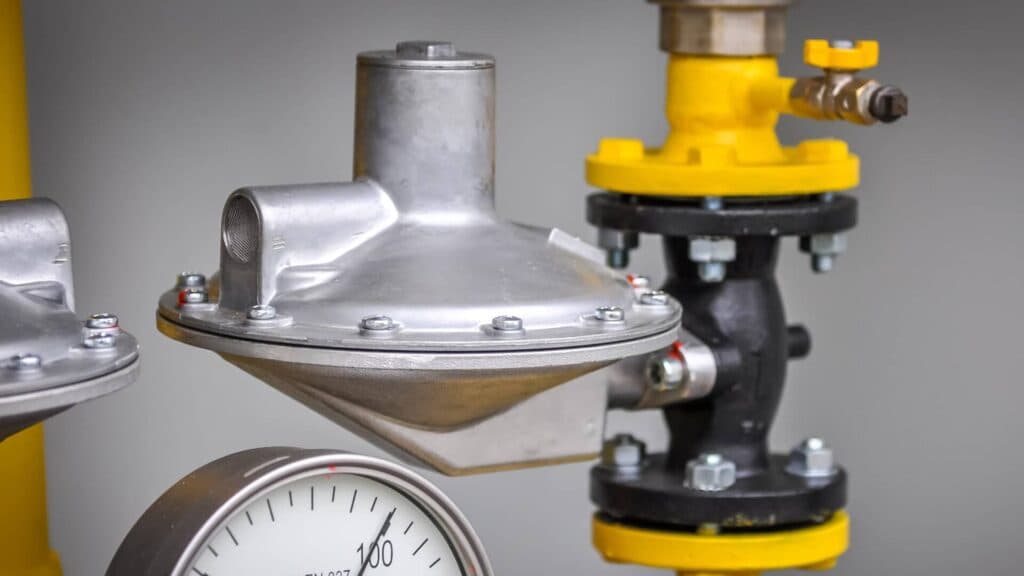
A domestic gas pressure regulator enables a steady and safe supply of gas from the medium-pressure distribution network. The device is owned by the customer, who is responsible for its operation. Gas engineers at GasNet, the Czech Republic’s largest gas distributor, warn that many customers continue to rely on their regulators even after they have reached the end of their service life. A faulty regulator can cause not only unpleasant interruptions to the gas supply, but also dangerous pressure fluctuations in a home’s gas installation.
“Gas installations on the customer’s side, such as cookers, boilers and household gas pipes, as well as domestic gas pressure regulators, are no longer part of the distribution system, and their owners—usually the property owners—are responsible for their safe operation. All manufacturer instructions must always be followed for this equipment,” says GasNet Operations Director Petr Koutný.
For regulators, one of these instructions is to observe their service life. Gas pressure regulators wear out and may not work properly once their service life has expired.
Regulators have a service life of 20 to 25 years, depending on their type and model. Between 1985 and 2004 alone, more than 816,000 domestic gas pressure regulators were installed alongside newly built gas service connections. GasNet recommends that all gas customers with an installed regulator check its year of manufacture and consider replacing it if necessary. This will improve the overall safety and reliability of their gas supply.
The owner is responsible for the regulator
A domestic gas pressure regulator is an essential part of every customer-side gas installation connected to a medium-pressure gas pipeline. It reduces the pressure from the gas service connection to the prescribed level for gas appliances, allowing them to operate safely.
All customer-side gas installations, including domestic regulators, household gas pipes and gas appliances located downstream of the main gas shut-off valve (HUP), are generally owned by the property owner, who is also responsible for their safe operation and maintenance. The gas meter is an exception: it is owned by the distributor.
A regulator at the end of its service life must be replaced
The domestic pressure regulator is usually located in the HUP cabinet, which is positioned at the boundary of the property or in the exterior wall of the house. The device is most often installed between the main gas shut-off valve and the gas meter.
Every regulator has a nameplate or other information showing its year of manufacture. To help customers find this information on their device, GasNet has launched the website domovniregulator.cz. The site provides an overview of the most common regulator types and models, including their recommended service life as specified by the manufacturer.
“If a customer finds that their regulator has reached the end of its service life, replacement is recommended. It should always be carried out by qualified professionals, such as employees of gas service companies or plumbing firms who are qualified to work on designated gas equipment,” explains Petr Koutný of GasNet, adding that the best time to replace a regulator is during the months outside the main heating season, when gas service companies still have appointments available.
Arranging a visit from a gas service technician is straightforward. Servicing and replacement are offered by manufacturers and distributors of gas equipment, as well as by companies specialising in heating, gas and plumbing.
Translation disclaimer
This article is a machine translation of the Czech original and has not yet been fully reviewed. In case of any doubt, please refer to the Czech version.