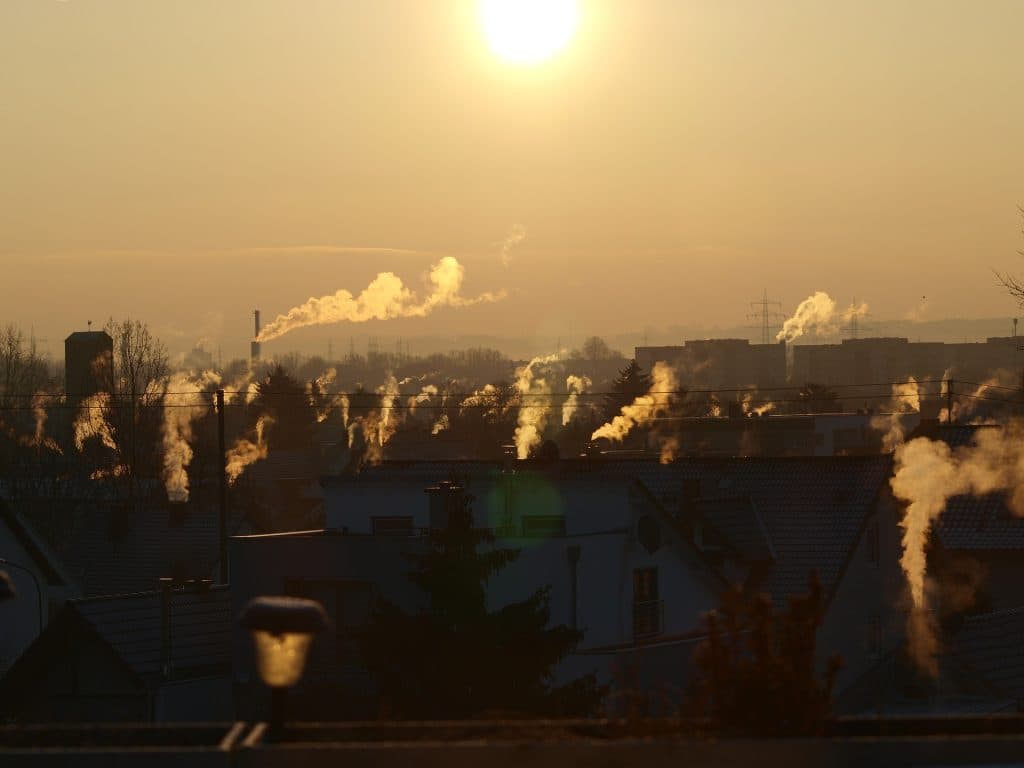
Poland plans to expand its gas infrastructure despite criticism

Poland does not intend to replace fossil gas with low-carbon alternatives, but is seeking to expand its gas infrastructure. Some non-profit organizations and environmental groups argue that this will increase Poland’s dependence on imports. Instead of moving towards a system based on decentralized renewable energy sources, coal-fired power plants are gradually being replaced with gas-fired plants, while nuclear power plants are expected to supplement the current mix in the future.
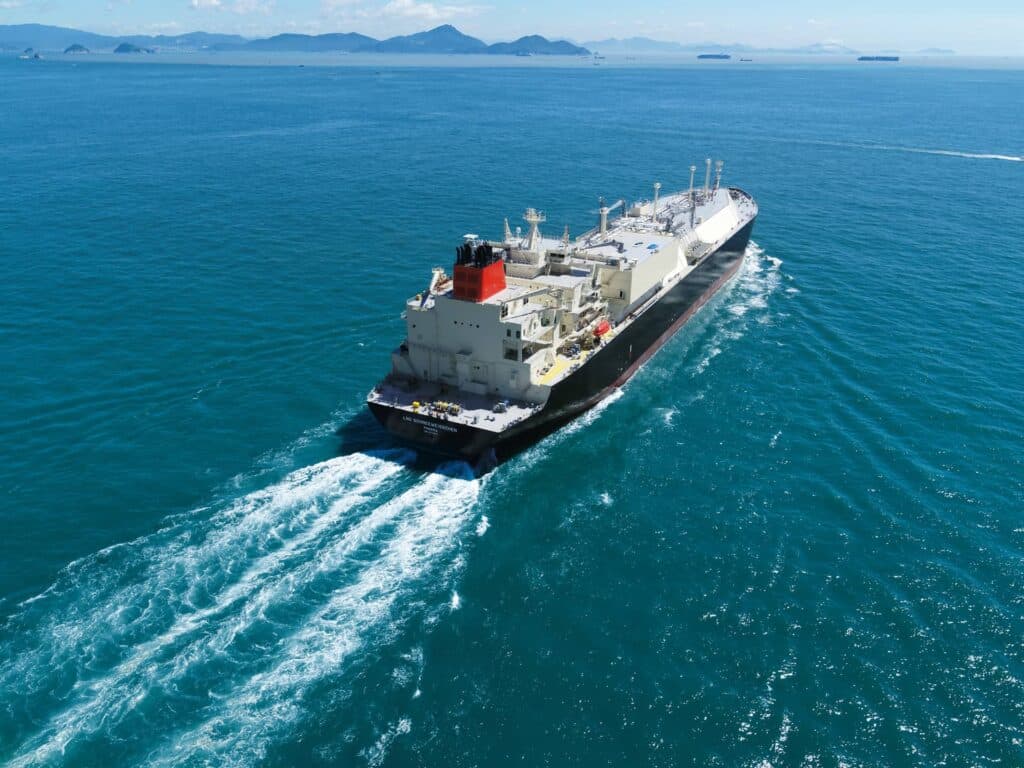
Several large combined-cycle gas-fired units are under construction in Poland, meaning facilities intended more for covering baseload demand than for short-term grid balancing. Power plants currently planned include Ostrołęka C (745 MW), Rybnik (860 MW), Dolna Odra (1400 MW), Grudziądz (500 MW), Adamów (500 MW), Łagisza (500 MW) and Kozienice (2200 MW); these will increase Poland’s demand for imported gas. To meet this demand, Poland plans to build a second LNG import terminal after the one in Świnoujście, near the port of Gdańsk, this time in the form of a floating storage and regasification unit (FSRU).
Poland has managed to replace Russian gas with fuel from other sources. Russian gas, which accounted for about half of the Polish economy’s demand, is now being replaced by gas delivered via the Baltic Pipe and through the expanded LNG terminal in Świnoujście. Poland can import 8.3 billion m3 of gas through Świnoujście, while the Baltic Pipe has a capacity of 10 billion m3 (for Poland and Denmark) and domestic production amounts to 4 billion m3. The country’s gas consumption reached around 17 billion m3 in 2022.
Poland also aspires to become a gas hub for Central and Eastern Europe, but it lacks sufficiently large cross-border connections to other countries in the region. The Czech Republic, for its part, has secured its supplies from other terminals. A report by InstituteforEnergyEconomics and FinancialAnalysis points to the fact that another terminal is not needed in Europe. It predicts that by 2030, European LNG demand will decline relative to installed import capacity. LNG terminal investments are also being reconsidered in the US.
Plans to expand gas infrastructure face opposition from environmental organizations
Opponents argue that the development of gas infrastructure poses a threat to the climate because of methane leaks, which have a significant impact on global climate change. Critics point to a study published last year in the journal “EnvironmentalResearch”, which showed that when different levels of leakage are taken into account, the total life-cycle greenhouse gas emissions from imported natural gas are likely to exceed those from coal mined and burned locally.
More and more institutions are aware of the risks associated with gas, and the policies they subsequently adopt are tightening requirements for investment in this area. Gas projects will have to meet additional environmental commitments before they are approved. The EU approved a methane emissions reporting system at the end of May, as we reported.
The costs of generating electricity from gas are a separate issue. Combined-cycle power plants face certain risks, such as fluctuations in gas prices and potential disruptions to fuel supplies. The authors of the article say that none of the planned power plants would be profitable in Poland.
Another aspect highlighted by the authors is that supply chains are vulnerable to sabotage, as shown by the Nord Stream pipeline explosion in 2022 and damage to the pipeline between Finland and Estonia in 2023. Even long-term contracts may not protect against supply disruptions. Orlen recently found this out: despite having signed a gas supply contract, it has yet to receive any deliveries.
The authors’ final argument is the pollution associated with maintaining floating LNG terminals and tankers. They are usually flushed with chlorine, which subsequently leaks into the surrounding waters. The German organization Deutsche Umwelthilfe is seeking to introduce a ban on chlorine discharge and has also filed a lawsuit against the terminal at the port of Wilhelmshaven.
Translation disclaimer
This article is a machine translation of the Czech original and has not yet been fully reviewed. In case of any doubt, please refer to the Czech version.