Russian gas deliveries to Europe via pipelines fell by a fifth in March

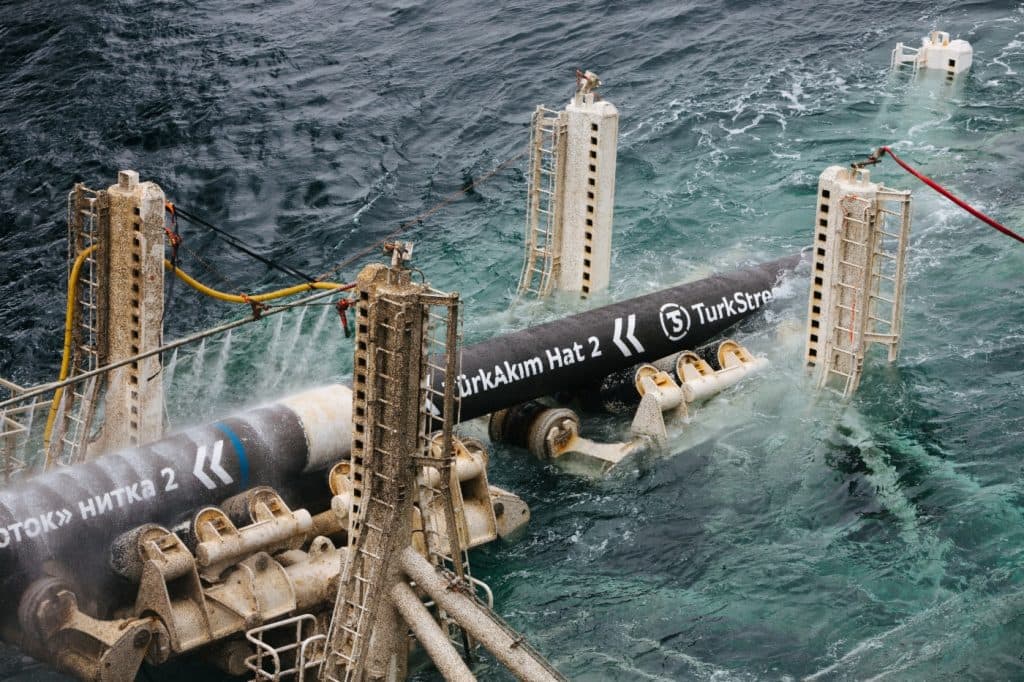
Since Russian gas transit through Ukraine ended at the turn of the year, relatively low volumes of Russian gas have been flowing into Europe. TurkStream is the last active pipeline route, but it too has not been operating at full capacity since Ukrainian transit stopped. While flows through the pipeline were generally strong in January and February, they fell by nearly a fifth in March. However, more Russian gas continues to reach Europe in liquefied form aboard tankers.
The future of Russian gas supplies to Europe remains uncertain, as the EU continues to seek further reductions in its imports of Russian energy commodities. Russian gas supply volumes are being closely watched, particularly in the context of lower gas storage levels than in previous years. Although the volume of gas currently flowing from Russia to Europe is only a fraction of what it was in the recent past, any further decline in supplies adds to market uncertainty.
In January and February, deliveries through the TurkStream pipeline remained relatively strong after gas supplies via Ukraine ended. In January, an average of 519 GWh of natural gas per day flowed into the EU across the Turkish-Bulgarian border. Supplies rose further in February, averaging 573 GWh per day. In March, however, gas flows through the pipeline fell sharply, averaging just 468 GWh per day.
Gazprom, which, according to Reuters, has not published monthly statistics since the beginning of 2023, did not respond to a request for comment on the decline in supplies. How deliveries will develop over the rest of this year therefore remains uncertain.
Translation disclaimer
This article is a machine translation of the Czech original and has not yet been fully reviewed. In case of any doubt, please refer to the Czech version.