United States expand natural gas storage capacity

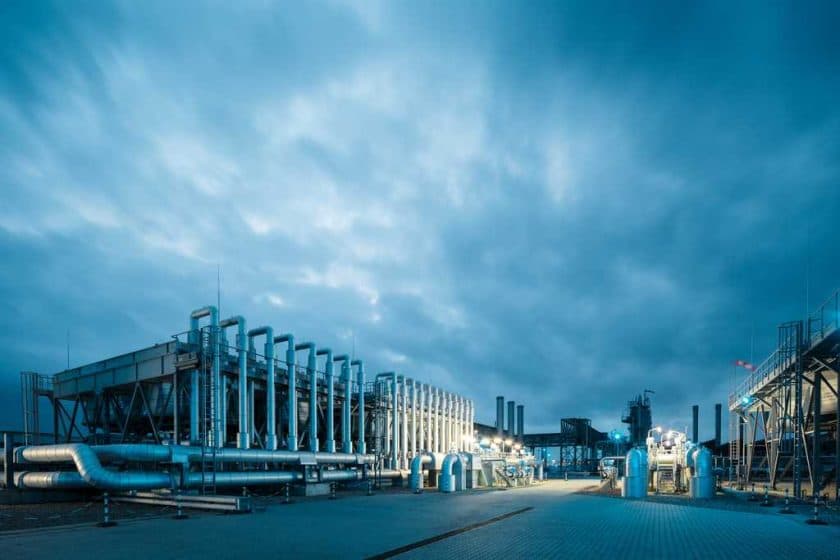
The United States have expanded their natural gas storage capacity, according to a new report from the U.S. Energy Information Administration. This strengthens their position in the global gas market. Greater flexibility in LNG supplies could increase their influence in Europe and Asia while also shifting the balance of power among the world’s key producers.
According to a June report from the U.S. Energy Information Administration (EIA), the demonstrated peak capacity of U.S. gas storage facilities rose by 1.7% to 4277 billion cubic feet (Bcf). This is the highest level of inventory that individual storage facilities have reached in the past five years. At the same time, working gas design capacity, or the capacity designed for normal use, rose by 0.1% to 4888 Bcf.
These figures mean that the United States can store more gas for a rainy day, giving it greater flexibility—for example, to meet peak winter demand or supply disruptions. Increased storage capacity boosts energy security and also enables the country to respond more effectively to the needs of foreign buyers.
The largest relative increase was recorded in the Appalachian region, which includes states such as Ohio, Indiana and Montana. The EIA attributes this to the exceptionally cold winter of 2023–2024. California also reported a significant increase, with the state commission raising the authorized capacity of the Aliso Canyon storage facility by 67% to 69 Bcf in August 2024.
Potential for greater U.S. influence on global gas trade
The capacity increase has a direct impact on international trade in liquefied natural gas (LNG). Since 2022, the United States has been the world’s largest LNG exporter, and larger domestic reserves now give it greater flexibility to meet fluctuations in global demand.
Gas storage facilities act as a buffer against market shocks—for example, a sudden increase in consumption in Europe during a severe winter or the blockade of key shipping routes such as the Suez Canal.
The United States can therefore not only export gas more efficiently, but also better manage the timing and volume of supplies, directly affecting global LNG prices. This makes storage facilities an increasingly important part of critical infrastructure with international reach.
Geopolitically, these capacities also make the United States a stabilizing force for its allies and an alternative to unreliable suppliers. The significant share of U.S. LNG in the European market since 2022 has weakened Russia’s dominance and limited its ability to use energy supplies as a political tool.
For example, European countries that began restricting imports of Russian gas after Russia’s invasion of Ukraine are increasingly relying on LNG from the United States. Countries such as Germany, Finland, the Netherlands and Italy have expanded their LNG terminals, and the greater capacity of U.S. storage facilities is boosting their confidence in the long-term reliability of supplies.
The United States is also increasing its influence in Southeast Asia, where it competes with Qatar and Australia. An export network backed by robust domestic infrastructure enables Washington to shape trade and security policies in line with its strategic goals, for example through long-term contracts or emergency supplies to partner countries.
Translation disclaimer
This article is a machine translation of the Czech original and has not yet been fully reviewed. In case of any doubt, please refer to the Czech version.




