Belgian government plans to double installed nuclear capacity

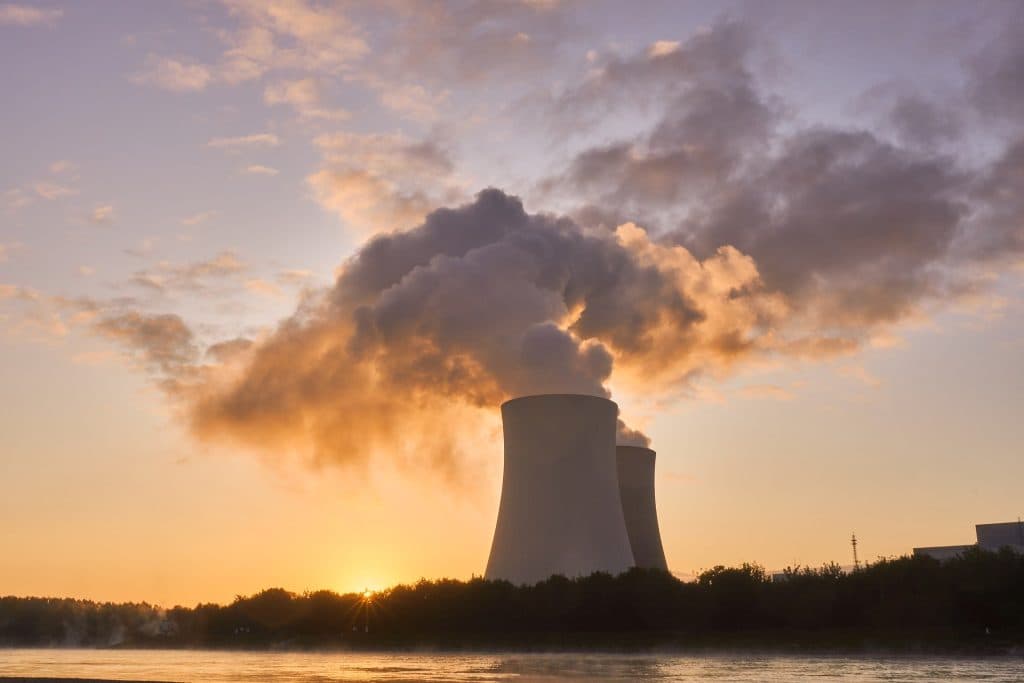
After the new Belgian government was formed in June 2024, intensive coalition negotiations resulted in a transformative plan to reverse the previously established commitment to phase out nuclear energy. The government plans to repeal the 2003 legislation that mandated a gradual phase-out of nuclear power. This decision will allow existing plants to operate for longer and new nuclear capacity to be added, potentially doubling the country's nuclear capacity to 8 GW.
Belgium's energy minister has confirmed plans to double the country's nuclear power capacity from 4 GW to 8 GW. To achieve this, the operating lives of existing nuclear reactors will need to be extended, and investment in new facilities will also be required. The Belgian government expects nuclear power to help meet future energy demand and reduce dependence on fluctuating fossil fuel prices.
Five reactors are currently in operation in the country. Under current regulations, the Tihange-1, Doel-1 and Doel-2 units will remain in operation until 2025. The coalition agreement also confirmed that the operating lives of the Doel-4 and Tihange-3 units would be extended by at least 10 years, until 2035.
Another key point is the planned repeal of the ban on building new nuclear units and the adoption of all necessary measures to extend the operating lives of units that meet safety standards. Specifically, these are Doel 4 and Tihange 3, for which the government has agreed to extend operating lives by at least a further 10 years, in addition to the 10 years already agreed.
One of the main prerequisites for building new plants is a balance between traditional large reactors and new technologies such as small modular reactors. Belgium is thus pursuing a diversification strategy that will enable it to combine different types of reactors.
Approval from the European Commission is needed
The political shift in support of nuclear power is based on a 2023 agreement between the government and Engie, which operates the Doel and Tihange nuclear power plants. The agreement extended the operation of the Doel 4 and Tihange 3 reactors until 2036.
However, the European Commission subjected the agreement to an investigation over suspicions of a possible breach of competition law. The Commission ultimately concluded, however, that the support was necessary and appropriate to achieve the objective pursued and was also proportionate.
Although Engie has expressed caution about new investments, discussions are underway with other partners, including EDF, about the possibility of buildingadditional nuclear facilities.
Despite significant progress, the government faces considerable obstacles. Key challenges remain securing approval from European Union regulators, financing the project and ensuring public support.
Translation disclaimer
This article is a machine translation of the Czech original and has not yet been fully reviewed. In case of any doubt, please refer to the Czech version.




