
28 October 2026, 15:10
Loading...
Czech parliamentary committee to discuss Atomic Act in early September

oEnergetice.cz, ČTK
14 July 2024, 12:15
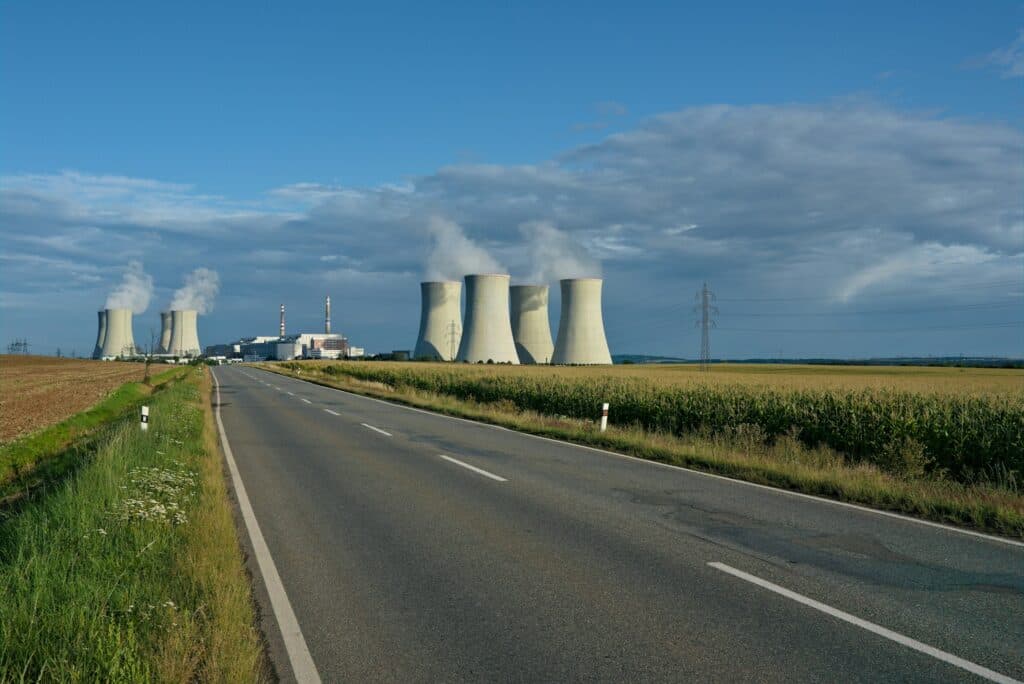
The Chamber of Deputies' Economic Affairs Committee will meet to discuss the amendment to the Atomic Act in the first week of September. Its members have until then to prepare any amendments they may wish to propose. Committee chairman Ivan Adamec (ODS) told the Czech News Agency (ČTK). He does not yet know whether any amendments will be put forward. The amendment is primarily intended to speed up permitting for the construction of new nuclear units. It will also allow applicants to request preliminary information from the State Office for Nuclear Safety on how applications will be assessed. It will also allow exemptions from the requirements of the Act.
The government says nuclear legislation needs to be prepared primarily for the arrival of new nuclear technologies, especially small and medium-sized modular reactors (SMRs), without compromising the required level of safety. According to the state's current plans, nuclear energy, along with renewable sources, is to become the main source in the domestic energy mix. The state is therefore preparing to build new reactors as well as small modular units.
One of the new provisions introduced by the amendment is the option of requesting preliminary information from the State Office for Nuclear Safety (SÚJB). The aim is to seek clarification or consultation on how the office would decide. The government explains that the rapid emergence of new technologies brings a range of technical and technological uncertainties. It is therefore necessary to clarify, before the relevant proceedings begin, whether the information, supporting documents, technologies and equipment will meet the requirements. The office will then say whether it will require, for example, additional conditions or what criteria it will use to assess the application.
„The preliminary information will not relate solely to nuclear safety, but also to all other areas within the remit of the SÚJB – radiation protection, preparedness for radiation emergencies, nuclear non-proliferation, transport, the management of radioactive waste, etc.,“ the explanatory memorandum states.
Another proposed new provision would allow the SÚJB to grant exemptions from the requirements of the Act. The law already allows certain exemptions, including a change to the category of a workplace or a source of ionizing radiation. Applications to the office will have to state relevant reasons and demonstrate that the conditions set out in the law have been met. The government says the exemption is needed because new technologies are developing very rapidly and their precise parameters are not yet known, as they are still being developed. They will bring technological innovations that are not covered by current legislation.
„Because of the rapid pace of development, however, it is not possible to amend legislative requirements just as quickly when the need arises, nor is it possible to prepare these requirements adequately in advance, since the technology in question does not yet exist. In practice, this applies primarily to small modular reactors, or SMRs,“ the explanatory memorandum says.
According to the government, the amendment draws on experience with the new Atomic Act. The cabinet believes that some approaches could be made more effective. The changes should therefore primarily reduce the regulatory burden involved in reviewing construction projects within the state administration. They are mainly technical changes. The Act also needs to be adapted to new technologies such as modular reactors, which were not envisaged when the current law was drafted. According to the document, changes were also necessary to reflect new international standards in nuclear energy.
The current Atomic Act has been in force since 1 January 2017. It governs the peaceful use of nuclear energy and ionizing radiation and, based on the principle of „cradle to grave,“ covers all components of the life cycle of nuclear facilities.
Translation disclaimer
This article is a machine translation of the Czech original and has not yet been fully reviewed. In case of any doubt, please refer to the Czech version.
Sdílejte článek prostřednictvím:
You might also like

28 October 2026, 13:08

28 October 2026, 11:10

28 October 2026, 09:08
