25 September 2026, 09:51
Loading...
Financing Dukovany under an exemption? Schillerová considers no-budget-impact option

oEnergetice.cz, ČTK
4 June 2026, 11:47
The Ministry of Finance is preparing an option to finance the completion of the Dukovany nuclear power plant and so-called linear infrastructure projects outside the budget, should it fail to reach an agreement with the European Union on easing fiscal rules in time. Finance Minister Alena Schillerová (ANO) said this today at the Meeting of Czech Construction Industry Leaders.
"There are two, perhaps three, ‘escape clauses’ in case we do not reach an agreement with Europe in time or do not reach a sufficient agreement. Of course, this is also with the awareness that we must remain below a public finance deficit of three percent of GDP. I have tabled a provision for the completion of Dukovany to be accounted for outside the budget," she said.
According to her, this escape clause would also apply to so-called linear infrastructure projects covered by the Linear Infrastructure Act. This means that these expenditures would not fall within expenditure frameworks until 2036. It is an insurance policy in case Czechia fails to reach a sufficient or timely agreement with Europe, she added.
However, according to the National Budget Council (NRR), financing the construction of nuclear units was never meant to have any escape clause or exemption from budgetary rules. "A repayable financial assistance does not, by its nature, affect the expenditure framework, as it is not an expenditure but a loan, and the operation does not deepen the Maastricht public finance deficit under any circumstances," the NRR told ČTK in response to a query. "What is newly changed by an amendment to the adjustment of budgetary rules is that this operation will no longer deepen the cash deficit of the state budget either, as it will be paid from an off-budget account of the Ministry of Industry and Trade," the council added.
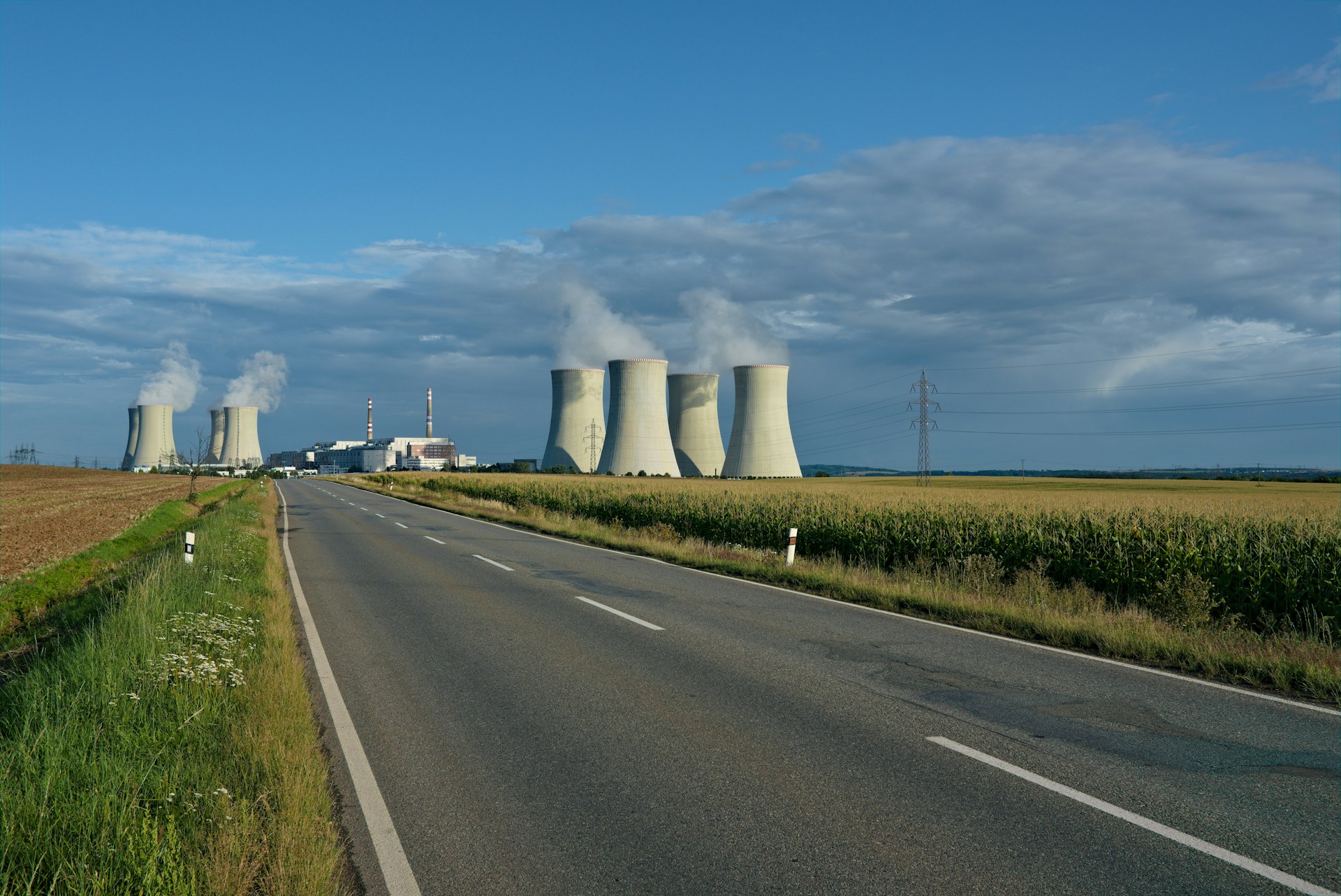
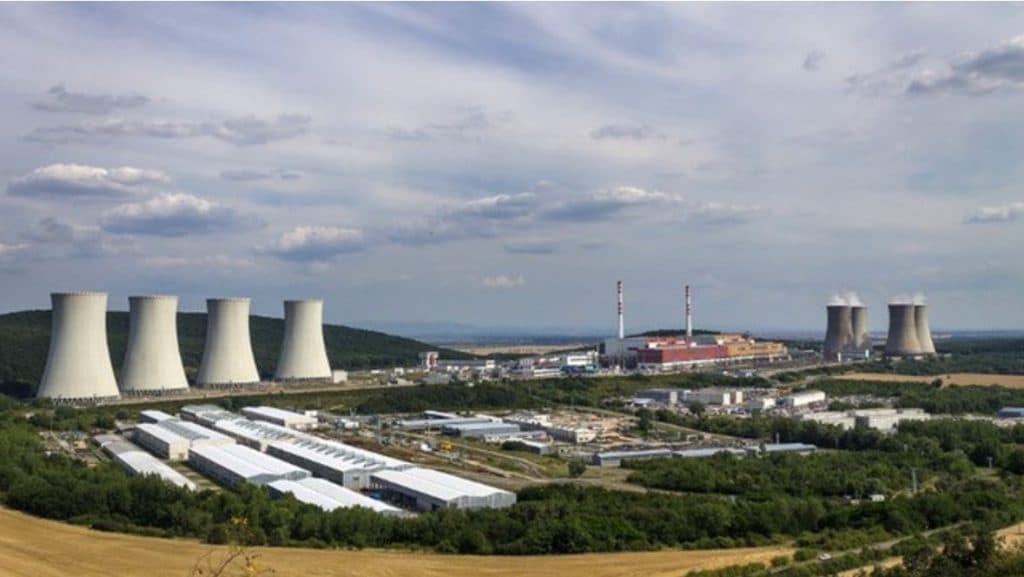
Dukovany nuclear power plant. Source: Unsplash
In March, the lower house of parliament backed changes to the rules governing the preparation of the state budget in the initial reading. Expenditure frameworks are newly to be drawn up on the basis of medium-term growth in net expenditure rather than according to a set maximum structural balance. The change is based on a European directive. The bill affects a number of laws and, among other things, clarifies rules for budgetary management in the event of a deterioration in the security situation. The opposition accused the government of loosening fiscal responsibility through the proposal. Schillerová rejects this.
"The submitted bill is guided by the objective of enabling the government, in defined situations, to ensure financial coverage of the state's needs and to reallocate funds to new priorities linked in particular to the necessary preparation of the state and securing the resulting financial needs of security forces and the armed forces," the government writes in its explanatory memorandum.
Currently, the law sets state budget expenditure frameworks on the basis of the maximum value of the structural balance, i.e. the fiscal result adjusted for the effects of the economic cycle and extraordinary impacts. This year, the maximum structural deficit may be 1,75 percent of gross domestic product (GDP), and in 2027 no more than 1,25 percent of GDP. In subsequent years, the law limits the structural deficit to one percent of GDP.
Translation disclaimer
This article is a machine translation of the Czech original and has not yet been fully reviewed. In case of any doubt, please refer to the Czech version.
Sdílejte článek prostřednictvím:
You might also like

24 September 2026, 11:23

24 September 2026, 10:30
24 September 2026, 06:56