25 September 2026, 09:51
Loading...
Heatwave in Europe traditionally affects nuclear power plants, but no problems in Czechia so far

Jakub Malý
5 July 2025, 12:44
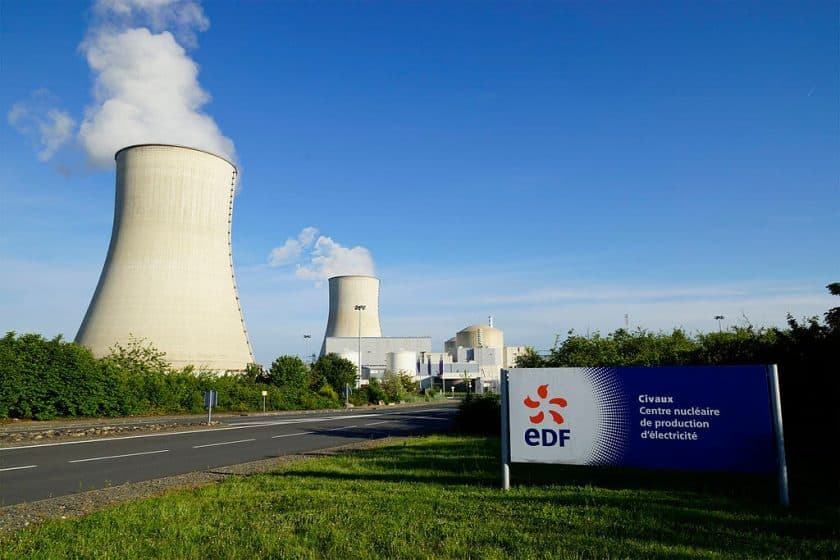
In summer 2025, Europe was hit by an exceptionally severe heatwave, which had serious impacts on the operation of nuclear power plants, particularly in France and Switzerland.High temperatures caused rivers to overheat, limiting reactor cooling options and raising concerns over the environmental burden on watercourses.
In France, Unit 1 of the Golfech nuclear power plant was shut down on 29 June 2025 because the temperature of the Garonne River exceeded the 28 °C limit set for safe cooling operation.The second unit was already offline for maintenance.
Similar problems were reported at Switzerland's Beznau plant, where Axpo reduced the output of both reactors to 50 % due to the high temperature of the Aare River in order to protect its ecosystem. Similarly, EDF reduced output at the Tricastin nuclear power plant, while in Belgium the operating level of the Doel nuclear facility was lowered to minimise the risk of thermal stress on the aquatic ecosystem.
EDF Group says that since 2000, average losses in nuclear generation due to environmental conditions—high temperatures and low river flows—have amounted to around 0.3 % of potential annual output. During the 2003 heatwave, these losses rose to as much as 1.43 % of annual generation.
Heatwaves highlight nuclear power plants' vulnerability to extreme climatic conditions, particularly in the context of global warming, as high temperatures affect the ability to cool reactors effectively. However, in the context of total annual output, these are relatively minor generation constraints.
Cooling situation in Czechia
The heatwave also hit Czechia, where some municipalities in the South Moravian Region have restrictions in place on drawing water from the mains for watering gardens, filling swimming pools and similar purposes. In the Czech Republic, where the Dukovany and Temelín nuclear power plants produce approximately one-third of total annual electricity generation, no similar problems have occurred so far.
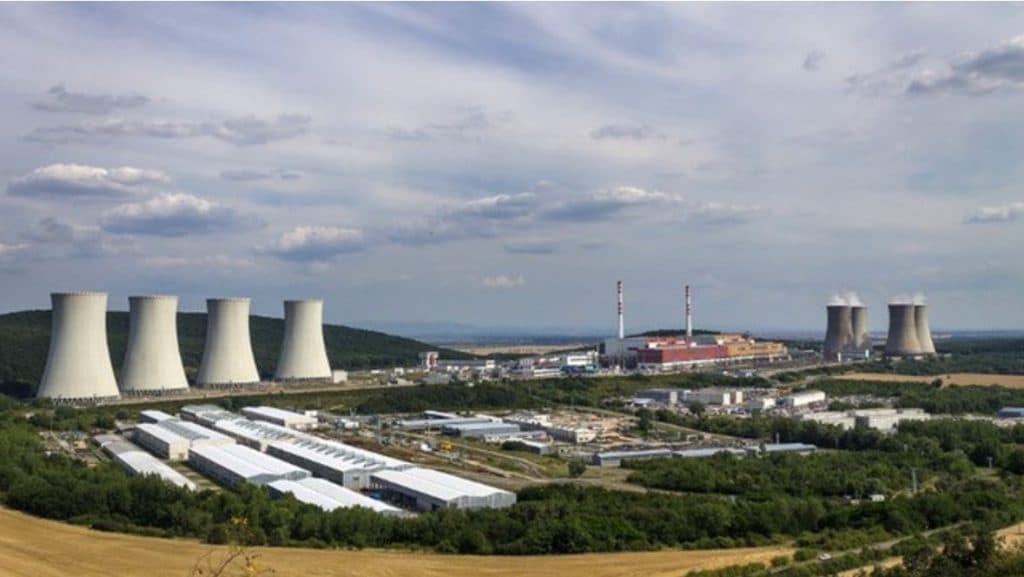
The Dukovany plant uses water from the Dalešice reservoir for cooling, while Temelín draws water from the Hněvkovice reservoir. Both reservoirs have sufficient capacity, but there have been situations in the past, for example in summer 2018, when low flows in the Jihlava River threatened the stability of the water supply for Dukovany.
The planned new nuclear unit at the Dukovany plant, which is due to enter operation in the next decade, will use so-called dry cooling. Unlike the existing units, which depend on water from the Dalešice reservoir, the new system will operate using cooling towers with forced air circulation. This approach significantly reduces surface water withdrawals and makes the plant less vulnerable to hydrological drought and climate extremes.
The Temelín nuclear power plant has taken a number of steps in recent years to reduce water consumption and strengthen its resilience to drought. In addition to modernising unit pumping stations and installing a new safety system for pumping cooling water from the Hněvkovice reservoir, the plant is participating in the broader ČEZ Group strategy focused on more efficient use of water resources. According to ČEZ data, surface water consumption across the group fell by 50 million m³ in 2023, while drinking water consumption declined by 18 % year on year.
Translation disclaimer
This article is a machine translation of the Czech original and has not yet been fully reviewed. In case of any doubt, please refer to the Czech version.
Sdílejte článek prostřednictvím:
You might also like
24 September 2026, 11:23

24 September 2026, 10:30
24 September 2026, 06:56