18 September 2026, 13:28
Loading...
IAEA raises nuclear outlook: Global capacity could triple by 2060

Jiří Puchnar
17 September 2026, 13:29
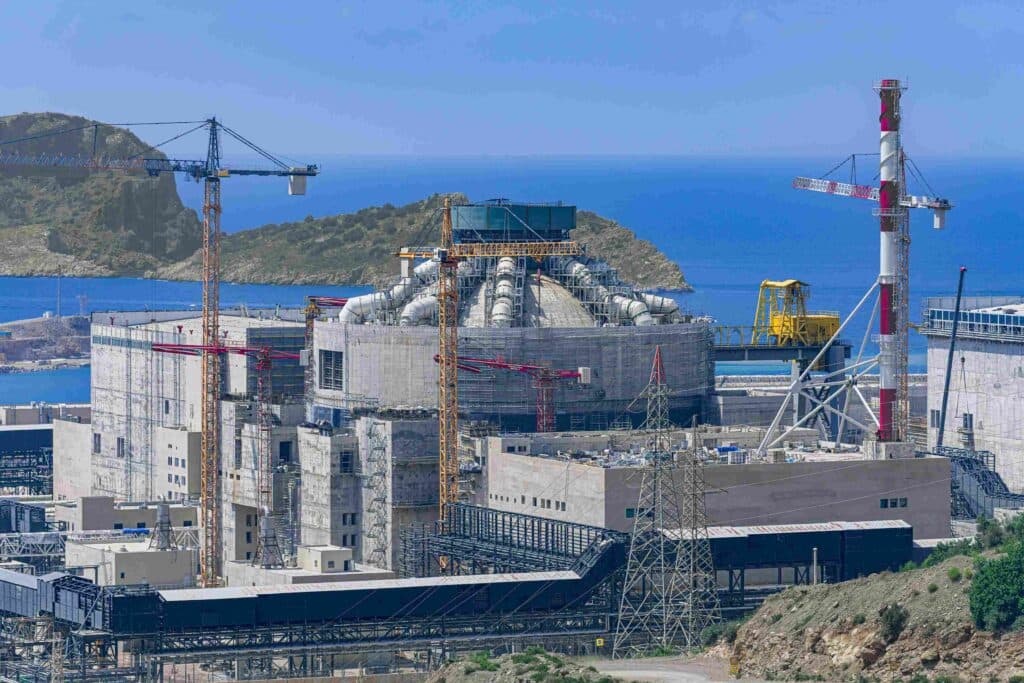
The International Atomic Energy Agency has for the first time extended its long-term nuclear energy outlook to 2060. Alongside further growth in total installed capacity, it also expects a significantly larger role for small modular reactors, which are expected to account for 28% of new nuclear capacity in the high case scenario.
The International Atomic Energy Agency (IAEA) expects, in its high case scenario, global nuclear capacity to rise from 377.1 GWe at the end of 2025 to 1,045 GWe in 2050 and 1,284 GWe in 2060. This would represent more than a tripling compared with current levels. The more conservative scenario envisages 641 GWe in 2050 and 696 GWe in 2060. The IAEA has now raised its long-term outlook for the sixth consecutive year.
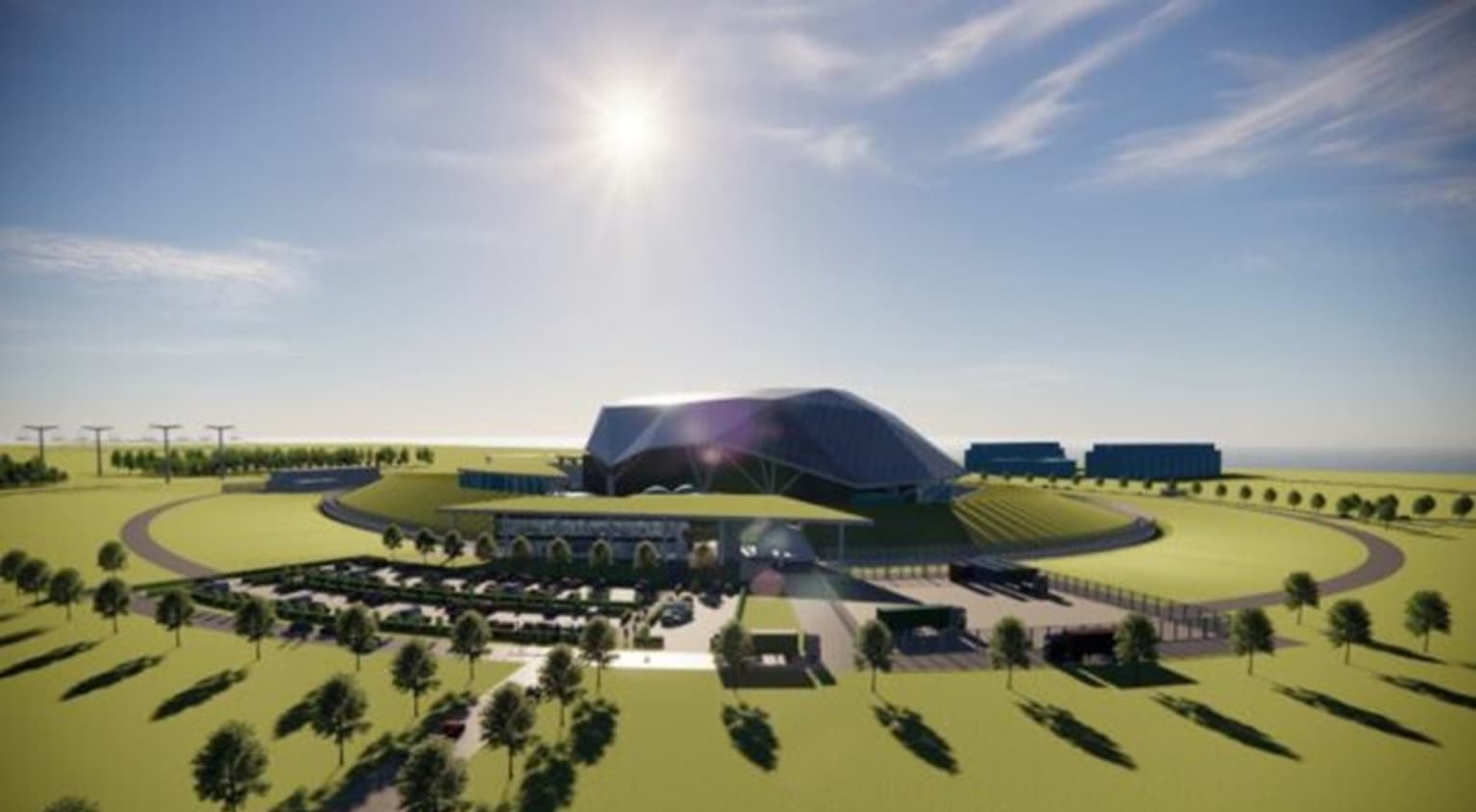
Visualisation of the Rolls-Royce small modular reactor. Source: Rolls-Royce
The global nuclear fleet comprised 413 operating power reactors at the end of 2025. A further 72 units with a total capacity of 77.2 GWe were under construction. Nuclear power plants generated 2,689.1 TWh of electricity in 2025, up 1.1% year on year. However, their share of global electricity generation fell from 8.7% to 8.4%, as total electricity generation worldwide grew faster.
SMRs expected to account for more than a quarter of new capacity
The role of small modular reactors (SMRs) has increased significantly in the new projection. Under the high case scenario, a total of 1,017 GWe of new nuclear capacity is to be added by 2060, with SMRs accounting for 28%. This corresponds to nearly 285 GWe. In the more conservative scenario, they account for 23% of 521 GWe of new capacity, or roughly 120 GWe. In last year's outlook, SMRs accounted for 24% in the high case and only 5% in the low case.
The IAEA does not specify the number of future small modular reactors, but rather their share of newly installed nuclear capacity. The agency defines SMRs as reactors with an electrical output generally of up to 300 MWe. If the average capacity of a reactor were 300 MWe, nearly 285 GWe would correspond to around 950 units. At an average capacity of 250 MWe, this would amount to approximately 1,140 reactors.
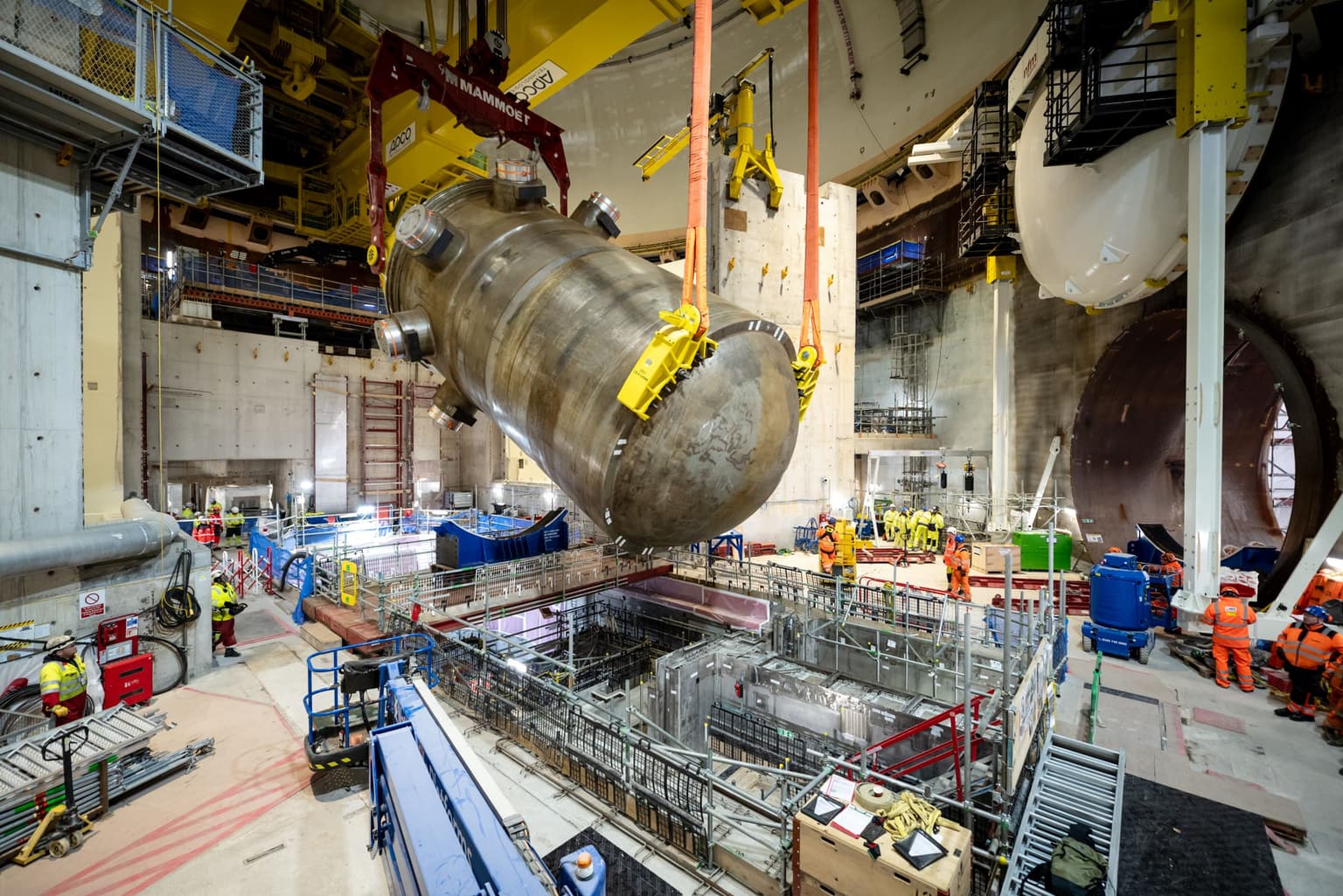
Construction of the Hinkley Point C nuclear power plant – reactor pressure vessel installation. Source: EDF Energy
The role of SMRs is also expected to differ significantly between regions. In North America, they could account for approximately 60% of newly installed nuclear capacity, according to the IAEA, while in Latin America and the Caribbean and in Southeast Asia they could account for around 40%. In Northern, Western and Southern Europe, the agency expects their share to be 10% in the low case and 15% in the high case, while in Eastern Europe it expects 5% and 15%, respectively.
Growth will also depend on extending the operation of existing units
The construction of new reactors alone will not be sufficient to achieve the high case scenario. Approximately two-thirds of reactors currently in operation are more than 30 years old, and around 46% have been operating for more than 40 years. In the high case scenario, the IAEA expects around 128 GWe of current capacity to be retired by 2060, while approximately 220 GWe would be decommissioned in the low case scenario. Extending the operation of existing units will therefore also be an important part of further nuclear energy development.
Achieving the high case scenario will also depend on a number of other conditions. The IAEA cites suitable energy policies, available financing, sufficient skilled workers, supply chain capacity, as well as regulatory cooperation and the harmonisation of requirements for new reactor technologies. The agency also sees renewed interest in nuclear energy from international financial institutions as a positive signal. The World Bank re-engaged with the sector in 2025 after several decades, and the Asian Development Bank subsequently adjusted its energy policy to allow it to support nuclear projects as well.
Outlook is not a forecast of specific projects
The IAEA stresses that neither scenario represents a forecast of future developments, but rather possible pathways based on current conditions and the expected development of the sector. They are developed using a bottom-up methodology and take into account operating units, possible extensions of their operation, planned shutdowns, uprates and planned projects that experts have assessed as realistically achievable. The low case scenario is based largely on the continuation of current market and technology trends, while the high case additionally considers national nuclear development plans and policies focused on energy security or emissions reductions.
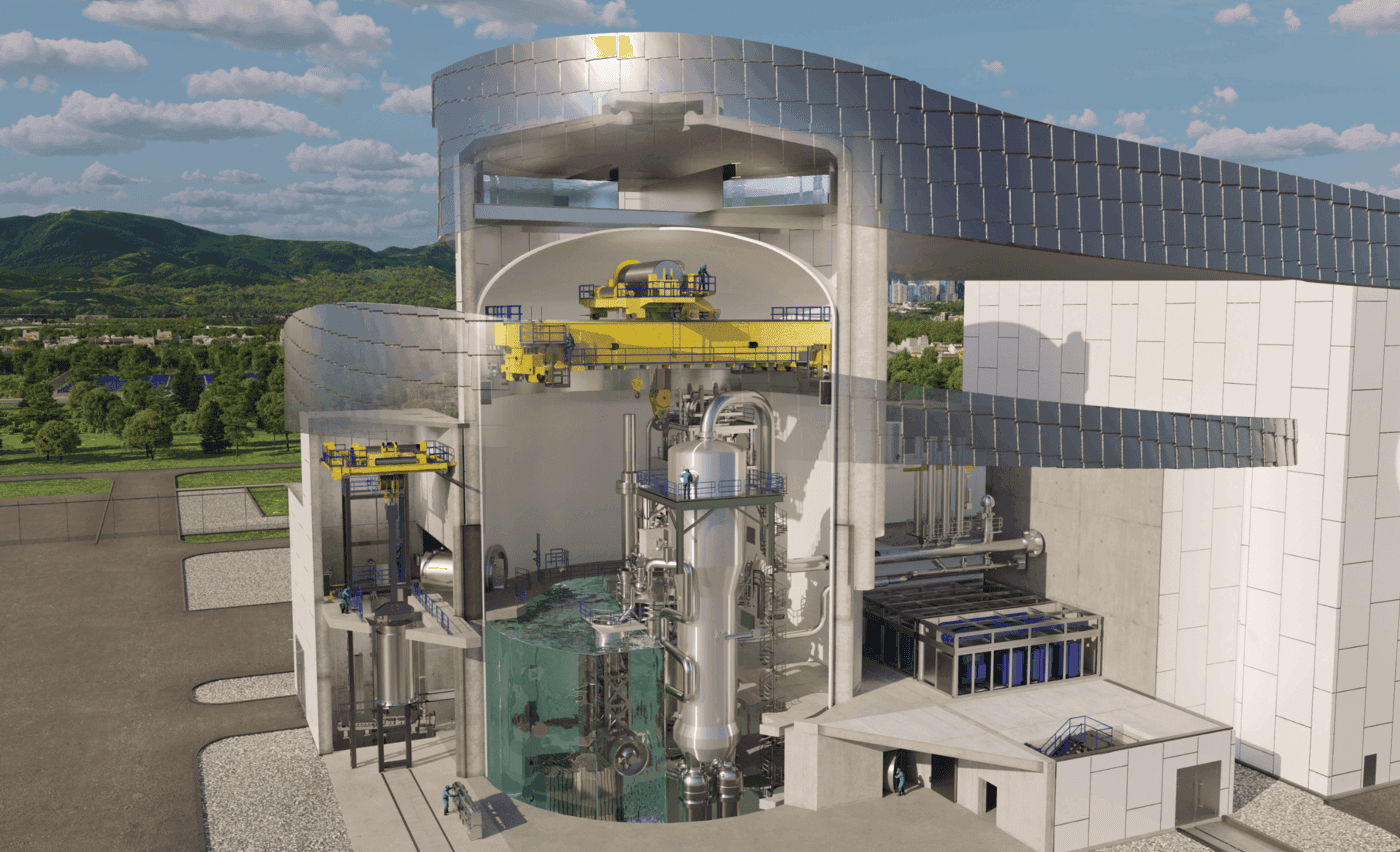
Visualisation of the AP300 SMR. Source: Westinghouse Electric Company
An even more ambitious outlook was published by the World Nuclear Association in its World Nuclear Outlook Report. According to the association, if national targets are met, identified projects are delivered and the existing fleet continues operating, global nuclear capacity could reach 1,457 GWe in 2050. However, this figure cannot be directly compared with the IAEA projection, particularly due to different methodologies and the fact that the World Nuclear Association uses gross electrical capacity in its outlook.
Translation disclaimer
This article is a machine translation of the Czech original and has not yet been fully reviewed. In case of any doubt, please refer to the Czech version.
Sdílejte článek prostřednictvím:
You might also like
18 September 2026, 12:01
18 September 2026, 06:31
17 September 2026, 19:24