4 November 2026, 14:17
Loading...
Japan launches the world's largest experimental fusion reactor

oEnergetice.cz, ČTK
1 December 2023, 12:56
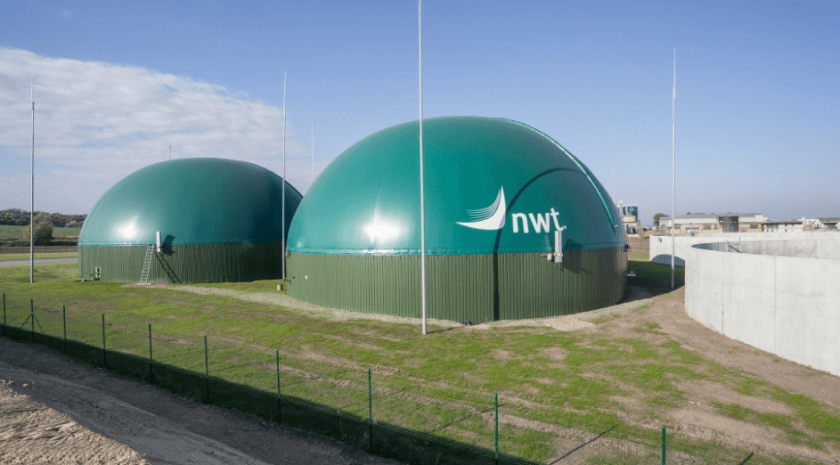
Japan today officially launched the experimental JT-60SA fusion reactor, currently the largest in the world. The AFP news agency reported the news. The development of nuclear fusion technology is still in its early stages, but experts say it could become a safe, inexpensive and environmentally friendly energy source of the future.
The JT-60SA reactor is a joint project between Japan and the European Union. Its aim is to support the even larger International Thermonuclear Experimental Reactor (ITER), which is being built in southern France but has faced delays, cost increases and technical problems, AFP reports.
Today, nuclear power plants generate energy by splitting atomic nuclei. By contrast, in thermonuclear fusion, light atoms, such as hydrogen, are fused at extremely high temperatures to form the nuclei of heavier elements, such as helium. This process releases enormous amounts of energy.
The 16-metre-high Japanese JT-60SA tokamak is located in the city of Naka, north of the capital Tokyo, and was designed to contain plasma at a temperature of 200 million degrees Celsius.
European Commissioner for Energy Kadri Simson said the JT-60SA is “the most advanced tokamak in the world” and described the start of its operations as “a milestone in the history of fusion”. “Fusion has the potential to become a key part of the energy mix in the second half of this century,” she added.
Sam Davis, deputy head of the JT-60SA reactor construction project, said the facility “will bring us closer to fusion energy”. “It is the result of cooperation between more than 500 scientists and engineers and more than 70 companies from across Europe and Japan,” Davis said at today's inauguration.
Last December, US scientists at the laser facility of the Lawrence Livermore National Laboratory (LLNL), a state research institute in California, succeeded in producing more energy through nuclear fusion than was consumed in the experiment. However, the US facility uses a different method from ITER and JT-60SA: nuclear fusion is achieved using lasers aimed at a small fuel pellet.
Thermonuclear fusion could become an energy source of the future because it uses readily available fuels, does not pollute the air, produces significantly less nuclear waste than today's power plants and is much safer than today's nuclear reactors.
Translation disclaimer
This article is a machine translation of the Czech original and has not yet been fully reviewed. In case of any doubt, please refer to the Czech version.
Sdílejte článek prostřednictvím:
You might also like
4 November 2026, 12:34


4 November 2026, 09:09