
8 November 2026, 13:59
Loading...
Japan tests drones to explore wrecked Fukushima

Eduard Majling
26 January 2024, 13:16
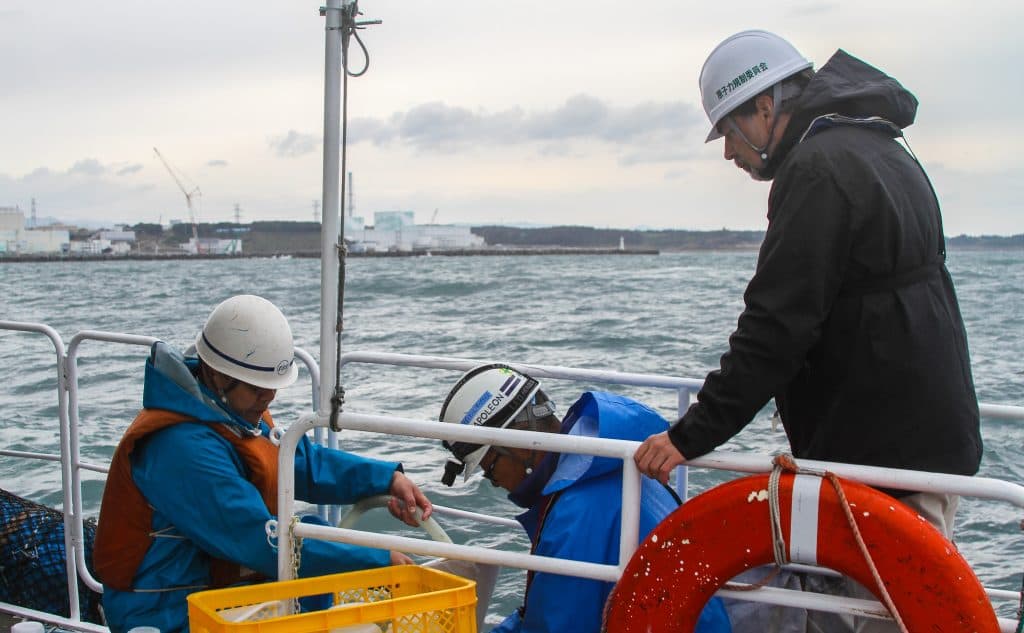
It will take decades to deal with the aftermath of the accident at Japan’s Fukushima Daiichi nuclear power plant. Robots will continue to assist in the process, as radiation levels inside the plant’s structures are often life-threatening. Earlier this week, the plant’s operator Tepco completed tests of several drones that will investigate the current conditions inside the facility.
The operator of the damaged plant, Tepco, has in recent years been working with other companies to develop special drones for exploring the plant’s interior. In this case, it is essential that the robots can withstand intense radiation, particularly around the melted reactor cores. From February, a snake-like robot and four other drones are expected to be deployed inside the damaged reactor buildings.
According to Reuters, robots have previously taken photographs of the melted reactor core, but this time they are expected to provide, for the first time, a more comprehensive picture of the damage to the reactor buildings above the waterline. Tepco hopes the additional information will help it prepare a plan to remove the melted fuel.
“We will ensure that we conduct the investigation with safety in mind, check procedures and instructions step by step, and maintain safety under all circumstances,” a Tepco spokesperson said, according to Reuters.
The process of releasing contaminated water will also take decades
The permanent decommissioning of the plant and cleanup after the accident also include the release of water contaminated with tritium. Tritium, an isotope of hydrogen, occurs naturally in the oceans, and separating it from water effectively is very difficult.
Japan began gradually releasing this water into the sea last summer, and the process is expected to take around 30 years. Throughout that period, it will be monitored by staff from the International Atomic Energy Agency, who regularly collect samples near the plant. According to a statement from the agency last September, tritium concentrations in the samples remain below operational limits.
Translation disclaimer
This article is a machine translation of the Czech original and has not yet been fully reviewed. In case of any doubt, please refer to the Czech version.
Sdílejte článek prostřednictvím:
You might also like

8 November 2026, 08:10

7 November 2026, 17:23

7 November 2026, 13:37