Netherlands may extend operation of its only nuclear power plant, while state will also buy majority stake

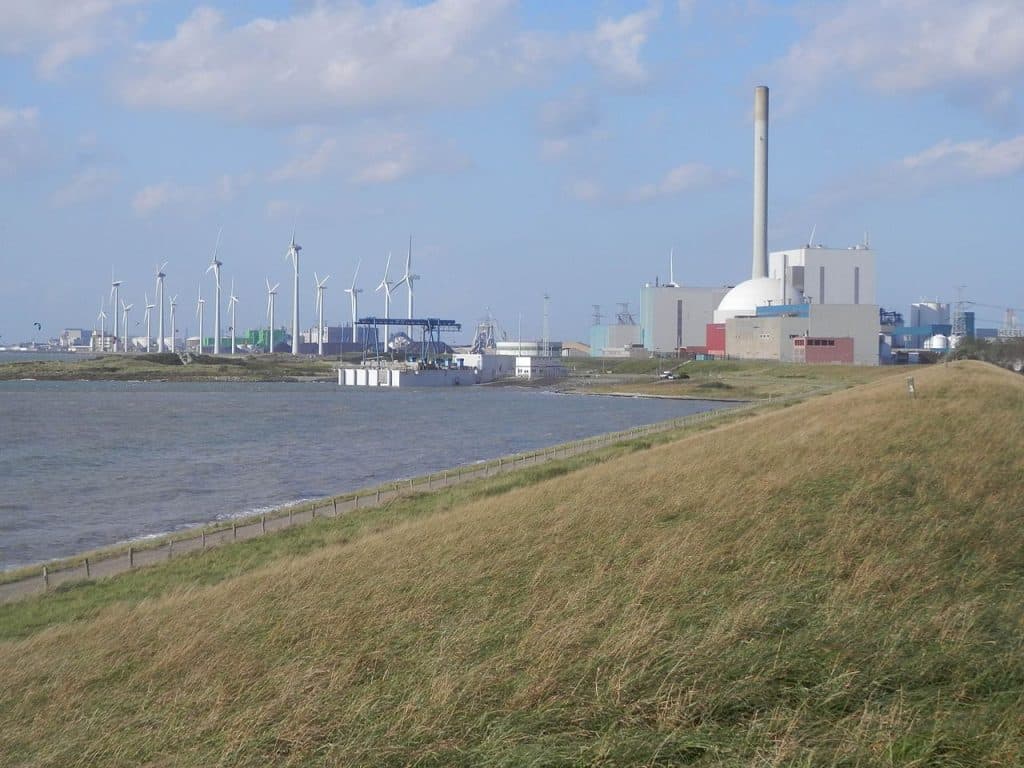
The Dutch Senate has approved an amendment to the Nuclear Energy Act, which now allows the operating life of nuclear facilities to be extended. Borssele, the country’s only nuclear power plant, which began operating in 1973, can now apply for a licence to operate beyond 2033. The Netherlands will also take over a 70% stake in the operator of the 515 MW plant. The country plans to build two more nuclear units over the next 10 years.
The operator of the Dutch Borssele nuclear power plant, EPZ, announced that the approved amendment to the Nuclear Energy Act will allow the plant’s operating life to be extended further. Until now, the law stipulated that Borssele could generate electricity until 2033 and that obtaining a longer operating licence was not possible.
“The Senate’s approval marks an important milestone in the process of extending the plant’s operating life. Now that this legal obstacle has been removed, we can continue preparations for the licence application. This will allow us to demonstrate that the nuclear power plant will continue to contribute to electricity supplies safely, reliably and responsibly in the future,” said EPZ director Marco Muilenburg.
The government of the Netherlands presented the proposed amendment to the law in October last year. The House of Representatives approved it in June this year, and the Senate approved it on 22 September. Borssele, with an installed capacity of 515 MW (gross), began operating in 1973 and can apply for a licence extension beyond the 60-year mark. EPZ expects to submit its formal application next year. The extension is expected to last 10 to 20 years. As part of the process, both the operator and the nuclear regulator will conduct a thorough analysis of the plant’s technical condition and options for further strengthening safety.
“In addition to safety, we are also examining other important aspects of a longer operating life, such as the fuel cycle and the investments needed in the coming decades,” EPZ said in a press release.
State involvement in nuclear energy
In connection with the new law, the Dutch government also announced that it had agreed on the terms for acquiring a 70% stake in EPZ from ZEH Energy. It will pay EUR 115.7 million (about CZK 2.8 billion) for the stake in ZEH Energy, which is owned by local authorities. The government has set aside nearly a further EUR 120 million to ensure the company’s operational stability. The remaining 30% stake in the nuclear power plant is held by German company RWE.
“Nuclear energy will play an important role in ensuring diversified and stable energy supplies in the country. Acquiring a stake is an important step towards maintaining the nuclear power plant’s operation over the long term,” said Jo-Annes de Bat, State Secretary for Climate and Green Growth.
In addition to extending the operating life of the existing nuclear facility, the Netherlands also plans to build up to four conventional reactors with a unit capacity of up to 1650 MWe. They are expected to be built probably at the Borssele plant site, and could be supplied by EDF or Westinghouse. The government is targeting 7 GW of installed nuclear capacity by 2050, including small modular reactors.
Translation disclaimer
This article is a machine translation of the Czech original and has not yet been fully reviewed. In case of any doubt, please refer to the Czech version.