
28 October 2026, 15:10
Loading...
Proceedings for Czechia’s deep geological repository to follow new rules from today

oEnergetice.cz, ČTK
1 July 2024, 12:33
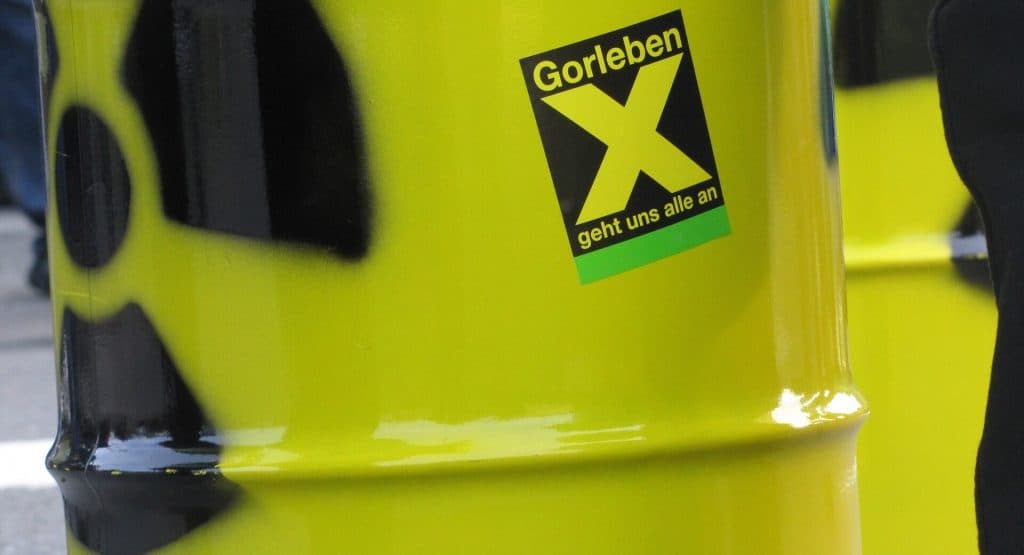
Proceedings for the planned deep geological repository for radioactive waste will be conducted under new rules from today. They stem from a law approved this year that sets out the rights and deadlines of affected municipalities in individual proceedings. Under the law, the government alone will decide where the repository is located, but only after consulting the affected municipalities, which the cabinet may award compensation. The state is due to select a site for the deep geological repository by 2030; it is currently considering four locations.
The Administration of Radioactive Waste Repositories (SÚRAO) is responsible for preparing the deep geological repository in Czechia. It has so far shortlisted four locations: sites in the municipalities of Horka and Hrádek in the Vysočina Region, Janoch near Temelín in South Bohemia, and Březový potok in the Klatovy region. The municipalities oppose the repository.
The law gives municipalities 140 days to submit their position on the government’s proposal for the repository’s location. The government had originally proposed a 90-day deadline. The law also explicitly requires the Ministry of Industry and Trade to discuss the proposal to locate the repository with the Ministry of the Environment and with residents of the affected municipalities in which a site is being considered. The legislation also sets out rules for oral hearings and primarily defines the affected municipalities’ right to participate in proceedings to designate a protected area for the deep geological repository. The government is to establish a working group to communicate with municipalities, which should make it easier for them to take part in preparing and operating the repository.
However, municipalities will not have the right to veto the choice of site. This was a condition that the Platform Against the Deep Geological Repository, which brings together 52 municipalities and associations, called for enshrining in law. According to the platform, the approved legislation does not strengthen the municipalities’ position in the joint decision-making process.
The deep geological repository should begin operating by 2050 at the latest. SÚRAO’s current plans, which include disposing of nuclear waste from the country’s nuclear power plants, including three new units, put the cost at up to around 130 billion crowns, with inflation and other price changes likely to affect the figure further. The administration is currently waiting for permission to begin extensive geological surveys in the shortlisted areas. The surveys should make a significant contribution to the final site selection.
According to the administration’s plans, the deep geological repository is to be the final destination for radioactive waste. Thousands of tonnes of spent fuel from nuclear power plants are to be permanently stored in the repository, mainly at a depth of half a kilometre underground. Under the EU taxonomy, a repository is a prerequisite for the continued operation of nuclear power. Other countries are also preparing their own repositories. The world’s first deep geological repository is expected to begin operating next year in Finland, which serves as a model for SÚRAO.
Translation disclaimer
This article is a machine translation of the Czech original and has not yet been fully reviewed. In case of any doubt, please refer to the Czech version.
Sdílejte článek prostřednictvím:
You might also like

28 October 2026, 13:08

28 October 2026, 11:10

28 October 2026, 09:08
