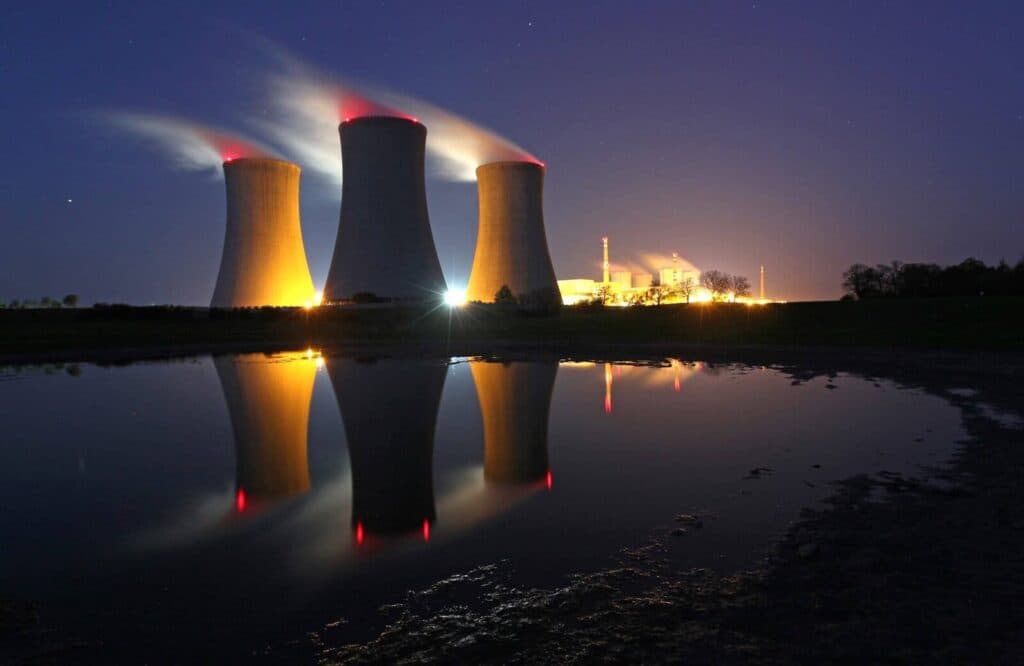
Robinson nuclear plant receives 80-year operating license in record time

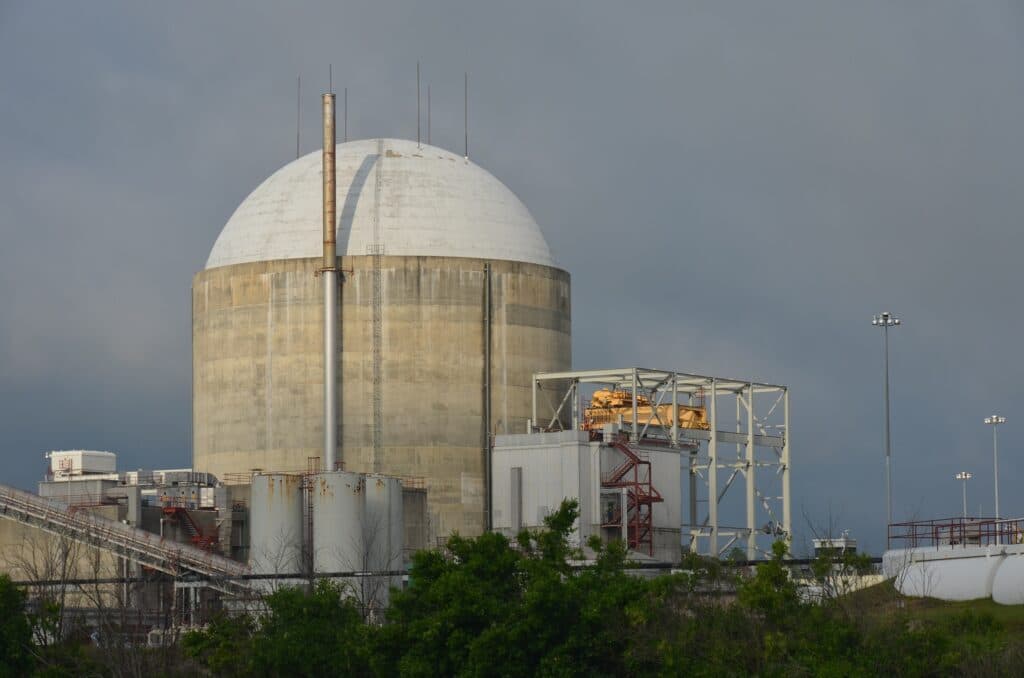
Alongside plans to build new nuclear units, many countries around the world are also focused on extending the lifetimes of existing plants. The United States is among them, where the regulator has extended operating licenses to 80 years for more than 20 units. One of these is Unit 2 at Robinson nuclear plant, which received a license for a further 20 years of operation in just 12 months.
Extending the lifetimes of existing nuclear plants is one way to ensure sufficient generating capacity in the years ahead. Nuclear plants built around the world in the second half of the 20th century were typically designed to operate for 40 years. After several decades of operation, however, it often becomes clear that these plants could continue operating well beyond their originally designed lifetimes.
It is therefore not unusual for operating licenses for existing nuclear plants to have been extended to 60 years. In recent years, however, further lifetime extensions, to as long as 80 years, have become increasingly common. In the United States alone, according to the World Nuclear Association, a total of 23 nuclear units had secured 80-year operating licenses by the end of April. Other nuclear plants are awaiting review by the nuclear regulator, while their operators have yet to submit applications in some cases.
One of the latest additions to this group is Unit 2 at Robinson nuclear plant, located in South Carolina. Its operator, Duke Energy, received an extension of the operating license from 60 to 80 years in record time.
Record time without compromising safety
According to World Nuclear News, it is the first unit in the United States to have its license extended through an expedited review. The review was completed within the 12-month timeframe established under an executive order issued by President Donald Trump last May. This shortened the U.S. nuclear regulator’s previous 18-month review schedule by six months.
"This milestone demonstrates that we can deliver results quickly without compromising safety. By focusing on the key factors for the continued safety of nuclear plants and drawing on experience gained in previous reviews, our team was able to work efficiently while remaining committed to enabling timely safety decisions," said Ho Nieh, chairman of the U.S. nuclear regulator.
Unit 2 at Robinson nuclear plant, which was connected to the grid in September 1970, has therefore been authorized to operate until July 2050.
European nuclear plants are also looking beyond 60 years
Long-term operation of nuclear plants is also becoming an increasingly common topic in European Union countries. Unlike the United States, Europe does not yet have a unified system for extending operation from 60 to 80 years through a single standard procedure. Each country therefore uses its own legislative and regulatory framework.
Nuclear units in Sweden and Finland are among the examples, with each country taking a different approach. Extensions to the lifetimes of existing units are also being discussed extensively in the Czech Republic, particularly in connection with the Dukovany nuclear power plant.
Translation disclaimer
This article is a machine translation of the Czech original and has not yet been fully reviewed. In case of any doubt, please refer to the Czech version.