2 October 2026, 21:55
Loading...
Stable supplies for industry and data centres: Blykalla wants to build a park of advanced modular reactors in Sweden

Jiří Puchnar
27 May 2026, 10:51
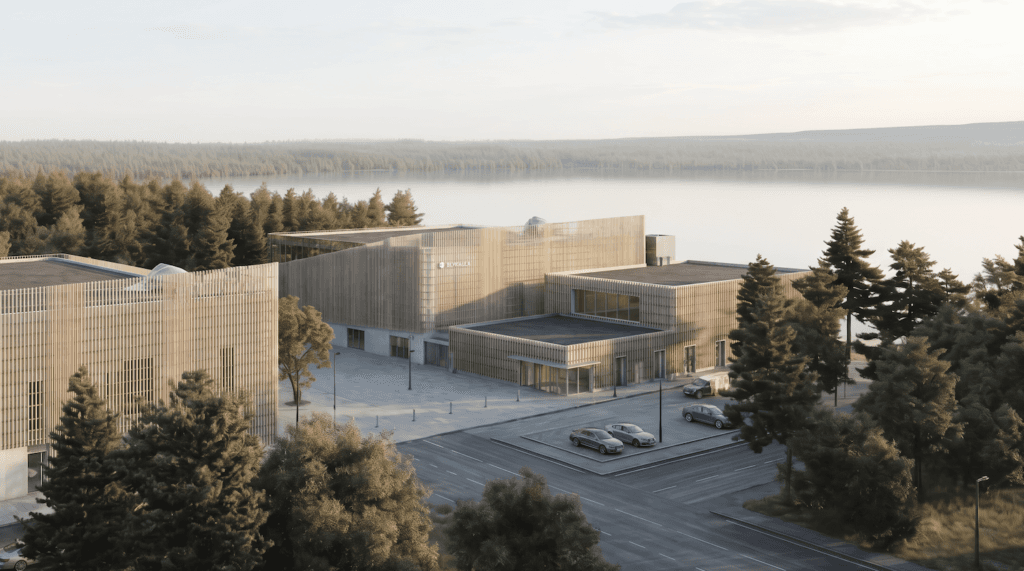
Sweden has taken another concrete step towards preparing new nuclear power capacity. Blykalla wants to build a commercial park of advanced modular reactors at Norrsundet, which would supply stable electricity to industry and data centres.
Swedish technology company Blykalla has submitted an application to the government to build a nuclear park at Norrsundet in the municipality of Gävle, about a two-hour drive north of Stockholm. The project envisages deploying six lead-cooled SEALER modular reactors with a combined electrical capacity of 330 MWe.
The company says the project would ensure a stable supply of low-emission electricity, especially for energy-intensive industry and large data centres. Blykalla says the plant could meet the electricity needs of approximately 150,000 households, a large industrial facility or a medium-sized data centre.
The site has an industrial base and access to a port
Norrsundet was chosen partly because of its location between two Swedish bidding zones, SE2 and SE3. Its proximity to a port, existing infrastructure and industrial past could also facilitate both the project’s preparation and construction.
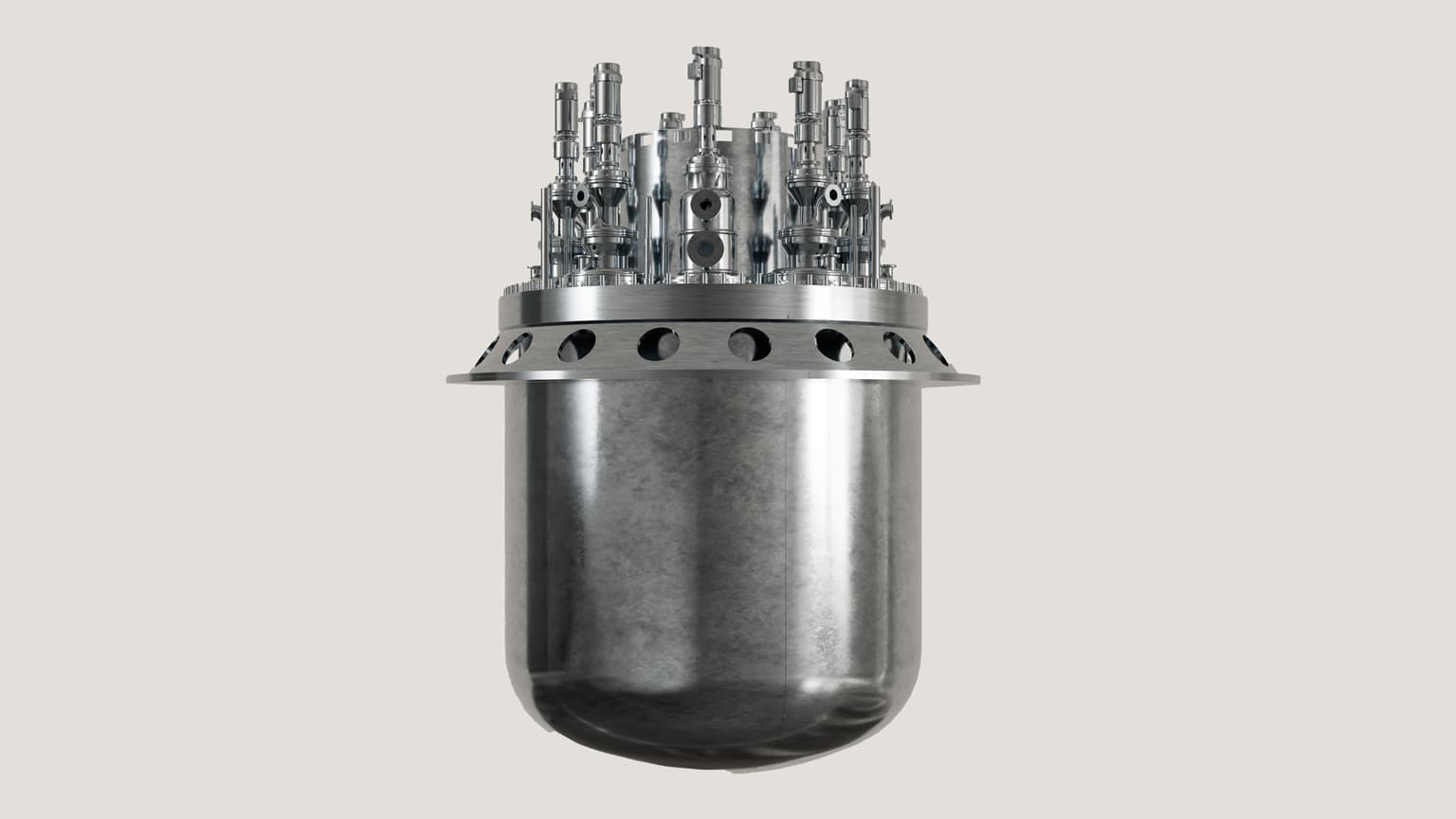
Rendering of the SEALER reactor module, a lead-cooled modular reactor developed by Blykalla. Source: Blykalla
Blykalla describes the proposed facility as an “advanced nuclear reactor park”. SEALER reactors use liquid lead for cooling and are among the advanced modular reactors. The company also highlights their compact design and the possibility of locating the units close to industrial customers.
The project faces a multi-stage approval process
The application launches a complex approval process. The Swedish government, the Swedish Radiation Safety Authority (Strålsäkerhetsmyndigheten), the Land and Environment Court and the municipal authorities of Gävle are expected to take part in the assessment. According to available information, municipal approval is one of the conditions for the project to proceed.
If Blykalla secures the necessary permits and makes a final investment decision, the Norrsundet facility could begin operating in the early 2030s.
Sweden is changing the rules for new nuclear power capacity
Blykalla’s application comes shortly after Kärnfull Nextsubmitted the first application under Sweden’s new law on government approval of nuclear facilities. The law introduces a separate government assessment phase before the subsequent permitting process and is intended to make preparations for new nuclear projects more predictable. Kärnfull Next’s first application concerns a planned SMR park in the municipality of Valdemarsvik in Östergötland County.
Meanwhile, interest in new nuclear power capacity in Sweden continues to grow. On 25 May 2026, Studsvik submitted an application to the government to build a plant with two to four light-water modular reactors at its existing nuclear site near Nyköping. Like Blykalla’s proposal, the project, with a total capacity of 600 to 1,400 MWe, would undergo a government assessment followed by a permitting process involving the municipality, the Land and Environment Court and the Swedish nuclear regulator.
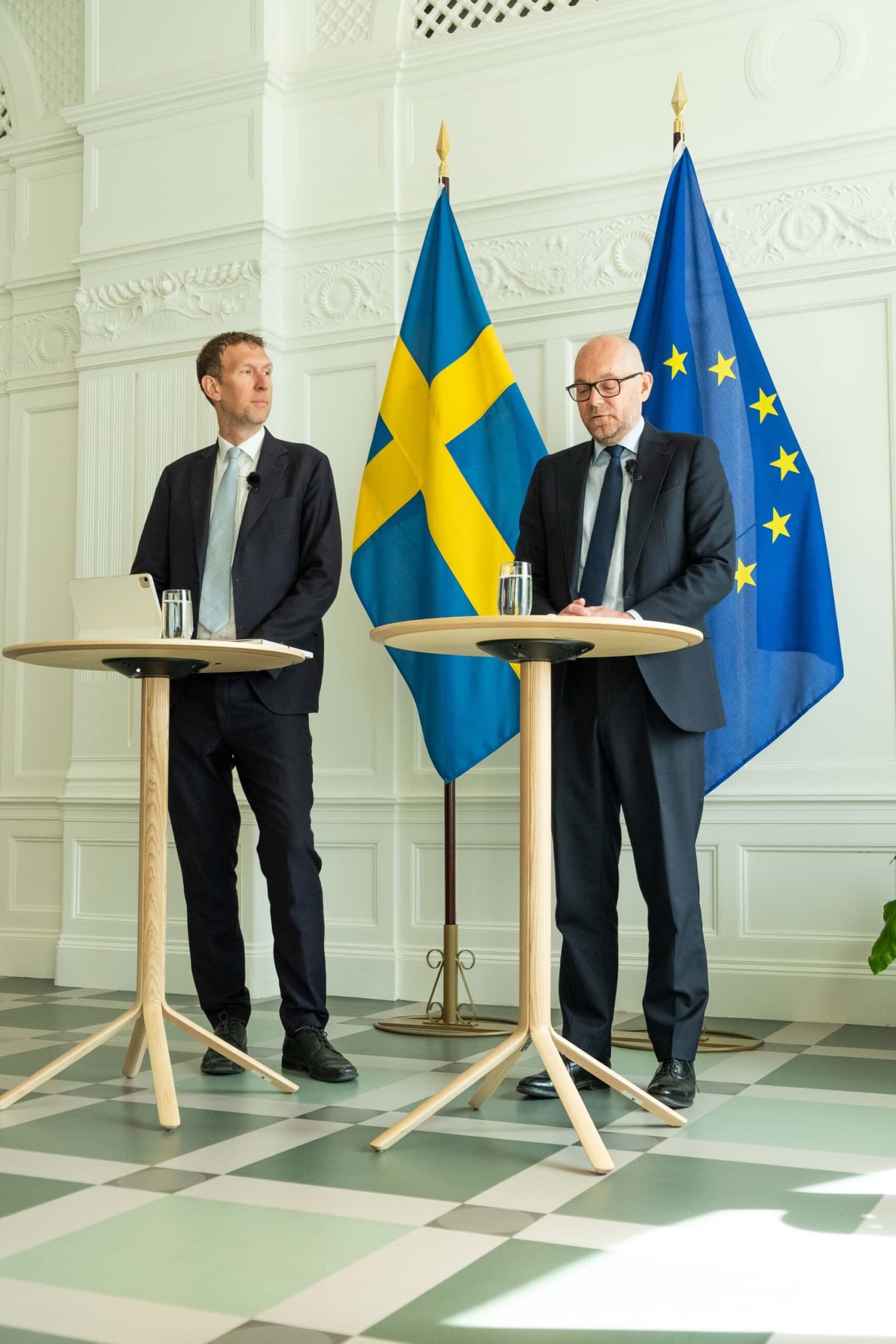
Blykalla’s Jacob Stedman hands over the application to build a nuclear park near Norrsundet to the Swedish government. Source: Blykalla
Sweden has also introduced a state support scheme for new nuclear power capacity. According to the Swedish government, the support applies to investments in new reactors with a total installed capacity of up to approximately 5,000 MW. It will be available only to projects in which new reactors at a single site reach a combined capacity of at least 300 MW.
Nuclear power in Sweden
Sweden currently operates six nuclear reactors at three sites: Forsmark, Oskarshamn and Ringhals. According to the Swedish nuclear regulator, nuclear power plants account for approximately 30% of the country’s electricity generation.
With electricity consumption expected to grow, the country is therefore addressing not only the long-term operation of existing units but also preparations for new nuclear generating capacity. These include small and advanced modular reactor projects, which are expected to help provide stable, low-emission electricity for industry, electrification and further growth in demand.
Translation disclaimer
This article is a machine translation of the Czech original and has not yet been fully reviewed. In case of any doubt, please refer to the Czech version.
Sdílejte článek prostřednictvím:
You might also like

2 October 2026, 15:14
2 October 2026, 10:06
2 October 2026, 06:14