US accelerates nuclear push: Illinois lifts moratorium, New York plans new units

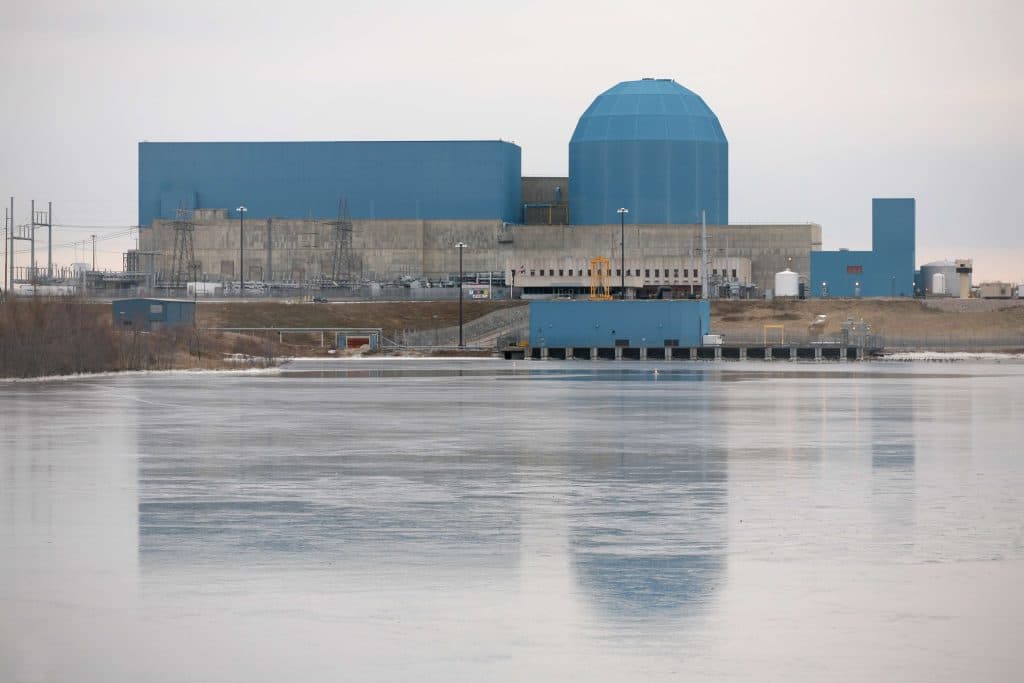
Two developments took place in the US in a single week that could have a major impact on the development of nuclear energy. The New York Power Authority (NYPA) issued its first requests for proposals to develop advanced nuclear reactors in northern New York State. In Illinois, lawmakers approved legislation that will end a moratorium on the construction of large nuclear power plants, in place for more than thirty years, from January 1, 2026.
New York Governor Kathy Hochul tasked NYPA this year with preparing a plan for at least 1 GW of new installed nuclear capacity in New York State. Immediately after the announcement in June, the authority began a preliminary assessment and consultations with key stakeholders.
NYPA has now published two separate requests for information (RFIs). The first is aimed at municipalities and regions in the northern part of the state that are interested in hosting an advanced nuclear unit project. Respondents are asked to identify at least one site with “strong potential for a new nuclear resource”—that is, one with sufficient land, access to water and adequate protection from external hazards—and to demonstrate support from the local community and key stakeholders.
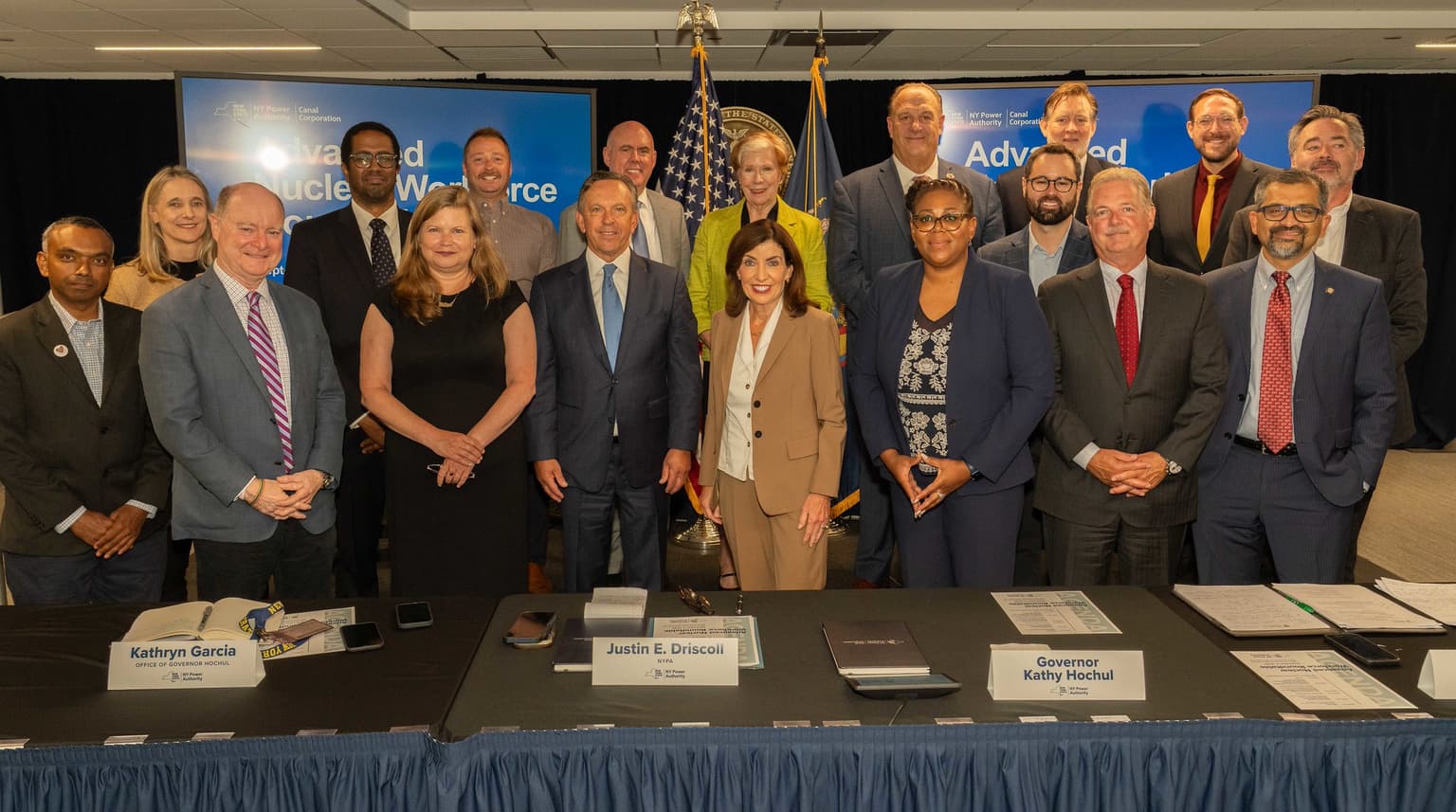
The second RFI is intended for potential developers and partners with experience in the construction, operation or maintenance of nuclear power plants. NYPA is seeking proposals for viable project concepts, including recommendations on technologies, considerations for suitable locations, estimated costs and schedules, as well as proposals for ownership structures.
A credible and achievable path is expected to deliver at least 1 GW of installed capacity using advanced nuclear technology “as soon as possible,” with construction scheduled to begin by 2033. The deadline for responses to both requests is December 11.
“At NYPA, we recognize that the success of this transformative advanced nuclear energy initiative depends on our ability to work with communities, state and federal agencies, and the private sector,” said NYPA President and CEO Justin Driscoll.
According to Driscoll, the two RFIs will gather input from developers and local governments, align site selection and partnership models with local needs, and maximize the benefits for the state—from secure electricity supplies and job creation to supporting the transition to carbon-free energy.
Illinois ends 30-year moratorium on large reactors
Illinois has taken a different but equally significant step. On October 30, the state legislature approved Senate Bill 25, which will end the moratorium on building new large nuclear reactors, in place since 1987, from January 1, 2026. The measure passed the Senate by 37 votes to 22 and the House of Representatives by 70 to 37, and now heads to the governor for signature.
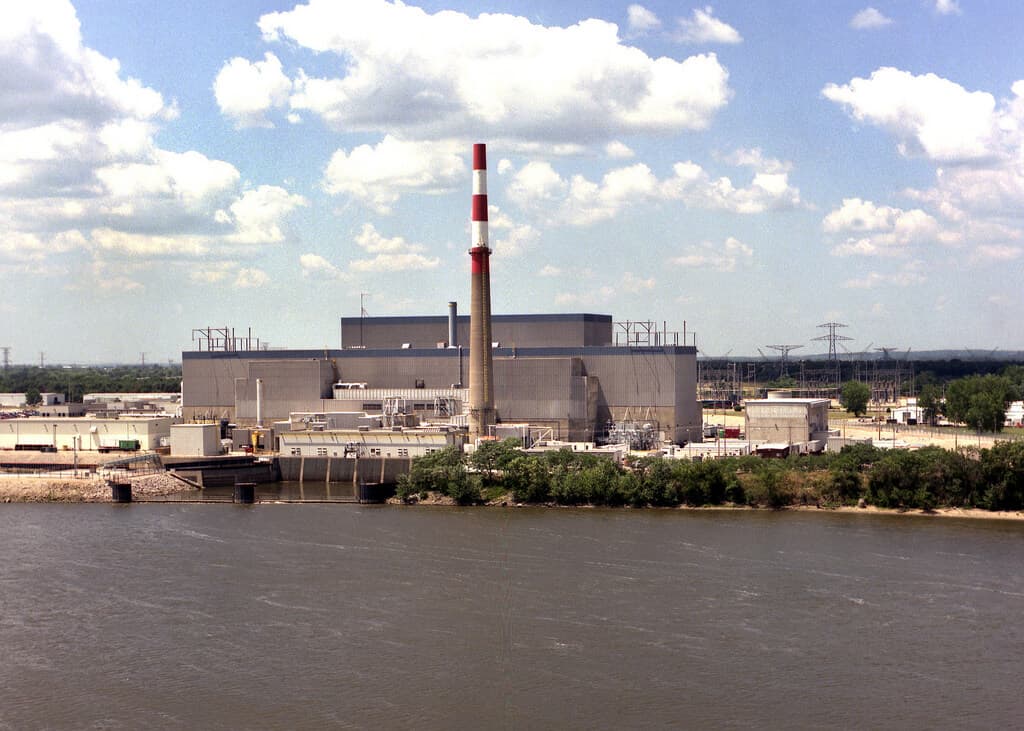
Illinois already generates more than half of its electricity at nuclear power plants, yet large new units were prohibited. The ban was partially eased at the end of 2023, when the state authorized the construction of small modular reactors (SMRs) with installed capacity of up to 300 MWe from 2026. The latest legislation also opens the door to large reactors and includes measures to strengthen energy storage, expand energy efficiency programs and introduce new planning tools to better manage the power grid and reduce costs for consumers.
“Illinois is leading an ambitious clean energy effort that will strengthen the resilience of our electric grid, support the economy and help make prices more affordable for everyone,” Governor Pritzker said, adding that he looked forward to signing the bill.
Translation disclaimer
This article is a machine translation of the Czech original and has not yet been fully reviewed. In case of any doubt, please refer to the Czech version.




