5 October 2026, 15:34
Loading...
Commission welcomes G7 move: Diesel release set to lower fuel prices in EU

oEnergetice.cz, ČTK
5 October 2026, 13:26
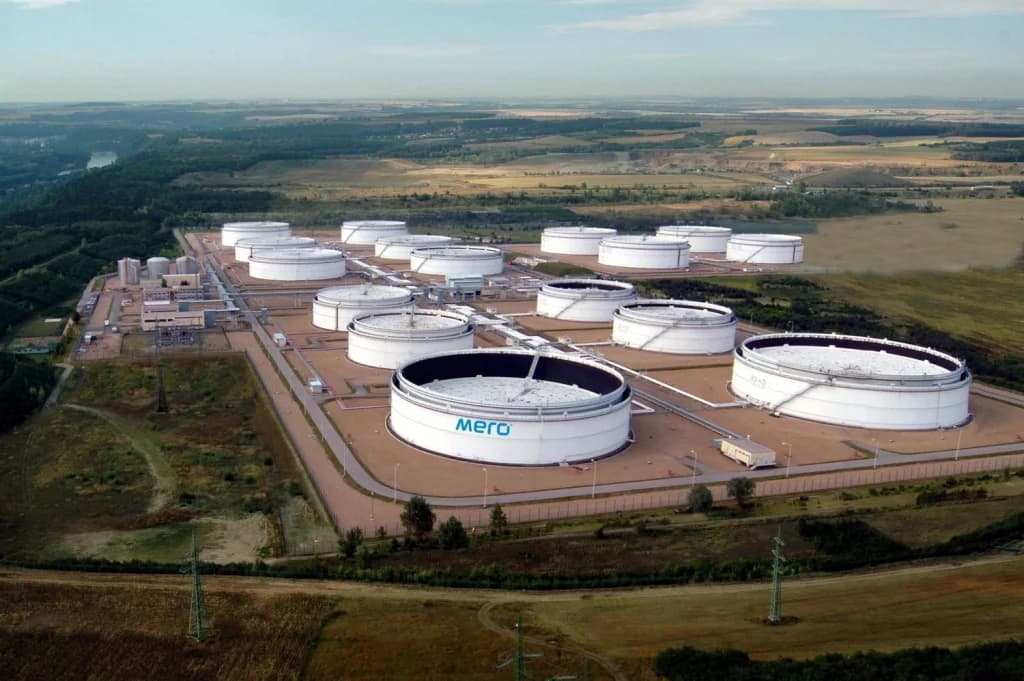
Brussels, 5 October (CTK) - The European Commission welcomes Friday’s decision by the G7 group of advanced economies to release significant stocks of diesel and oil, and believes the move will have a positive impact on prices in EU member states. Commission spokeswoman Anna-Kaisa Itkonen told reporters today.
In recent days, the US administration urged Germany and France to help bring down rising global fuel prices by releasing diesel from emergency reserves. Washington also threatened that otherwise, these countries could face a ban on diesel exports from the US.
G7 leaders subsequently agreed on a “coordinated release of 100 million barrels through the International Energy Agency (IEA), beginning immediately and continuing over the next four months, and including the priority release of a significant volume of diesel in the first 20 days by G7 countries and partners”. This was stated in a declaration published after a video conference chaired last Friday by French President Emmanuel Macron. The G7 comprises the US, Canada, Japan, Britain, France, Italy and Germany, and EU officials also take part in its meetings—in this case, Commission President Ursula von der Leyen. However, the declaration did not specify how much diesel each country would release.
“We welcome the G7 decision,” the Commission spokeswoman said today.
She particularly welcomed the countries’ rejection of any export ban, which the United States had previously threatened. “Protecting households and businesses from price shocks remains a priority for us,” Itkonen added.
She did not specify how many barrels of diesel and oil each country would release either. “That decision is up to the International Energy Agency,” the spokeswoman added.
Diesel prices have recently risen sharply in the United States, Europe and elsewhere as a result of the war against Iran led by the US and Israel, and Russia’s aggression against Ukraine. On Friday, the G7 also urged Iran to lift its blockade of the Strait of Hormuz. It also said it would maintain sanctions on Russia while seeking to minimise their impact on fuel markets.
Translation disclaimer
This article is a machine translation of the Czech original and has not yet been fully reviewed. In case of any doubt, please refer to the Czech version.
Sdílejte článek prostřednictvím:
You might also like
5 October 2026, 13:26