
28 October 2026, 15:10
Loading...
Iraqi-Turkish oil pipeline: A year out of service and still no progress

Libor Láník
27 March 2024, 11:19
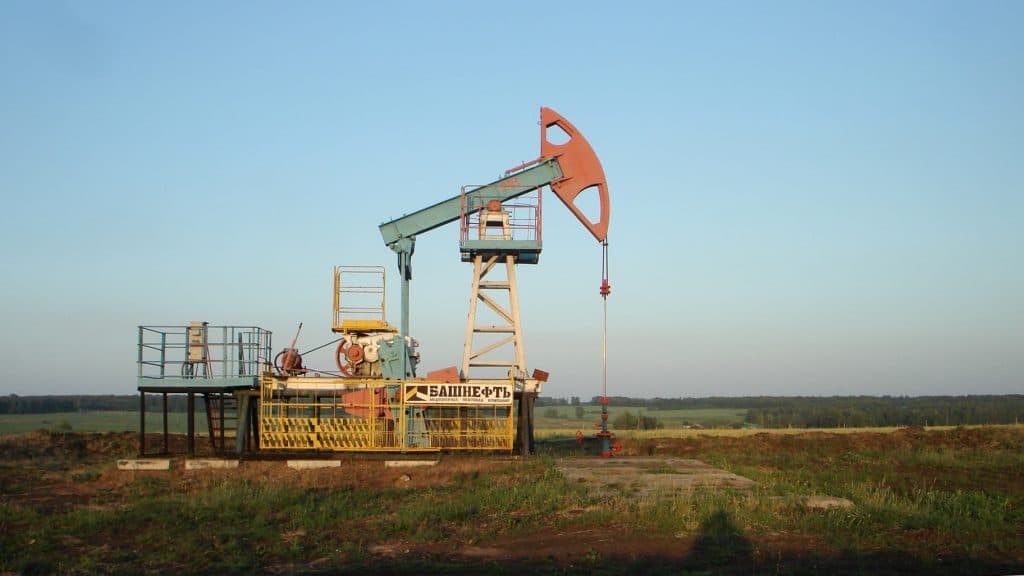
The pipeline running from Kirkuk in Iraqi Kurdistan to Ceyhan in Turkey has marked an anniversary of sorts in recent days. On 25 March last year, oil stopped flowing through this until recently very important pipeline, which during its operation accounted for 0.5 % of global oil supplies. A resolution to the dispute does not appear to be in sight, as several factors are complicating dialogue between the two sides; alongside legal and financial obstacles, geopolitics also plays a significant role.
At its peak, the Iraqi-Turkish oil pipeline transported up to 450 000 barrels per day. Today, that volume is unthinkable: regular offtake has given way to legal disputes, fines and mutual accusations. Although Ankara says Turkey is ready to resume operations, the hoped-for progress has yet to materialise.
The year-long shutdown was preceded by a decision from the International Chamber of Commerce (ICC) arbitration tribunal, which found Turkey liable for allowing oil exports from the semi-autonomous Kurdistan Region without the consent of Iraq's federal government. Turkey was ordered to pay a fine of $1.5 billion for the period between 2014-2018. A second arbitration case concerns the period from 2018 onwards. At the same time as the pipeline was shut, maintenance work began to assess the damage caused by last year's earthquake.
The complexity of the protracted legal dispute is further illustrated by a claim that Turkey is making against Iraq. Ankara is charging Baghdad $25 million per month for failing to meet its obligations since the pipeline became technically operational (last October). For Iraq, meanwhile, a year-long pipeline shutdown means a further loss of around $12 billion.
Worsening relations with the Kurds are another complication in resolving the dispute. Last but not least, the United States has been absent from the process; although it tried to resolve the situation, it is now focused on other interests. Resuming oil flows through the pipeline would also benefit the US, as it would profit from lower oil prices.
The final factor is undoubtedly Iraq's membership in the Organization of the Petroleum Exporting Countries (OPEC), which is continuing its production cuts this year. It may therefore be advantageous for Iraq in a way to have one export route closed, as it has to make up for exceeding its quota in previous months.
In conclusion, both sides are expected to continue negotiations, as a permanent shutdown of a pipeline of this scale is in no one's interest. Although oil flows have yet to resume, more may become clear during the expected spring visit by Turkish President Tayyip Erdogan to Baghdad.
Translation disclaimer
This article is a machine translation of the Czech original and has not yet been fully reviewed. In case of any doubt, please refer to the Czech version.
Sdílejte článek prostřednictvím:
You might also like

28 October 2026, 13:08

28 October 2026, 11:10

28 October 2026, 09:08
