Ukrainian drones attack two more Russian refineries, media report

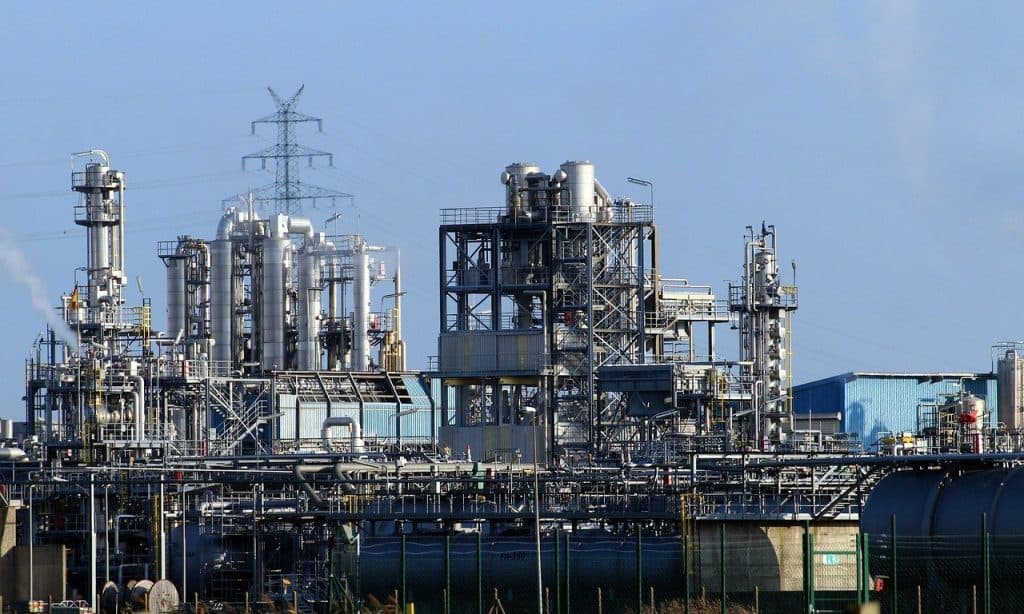
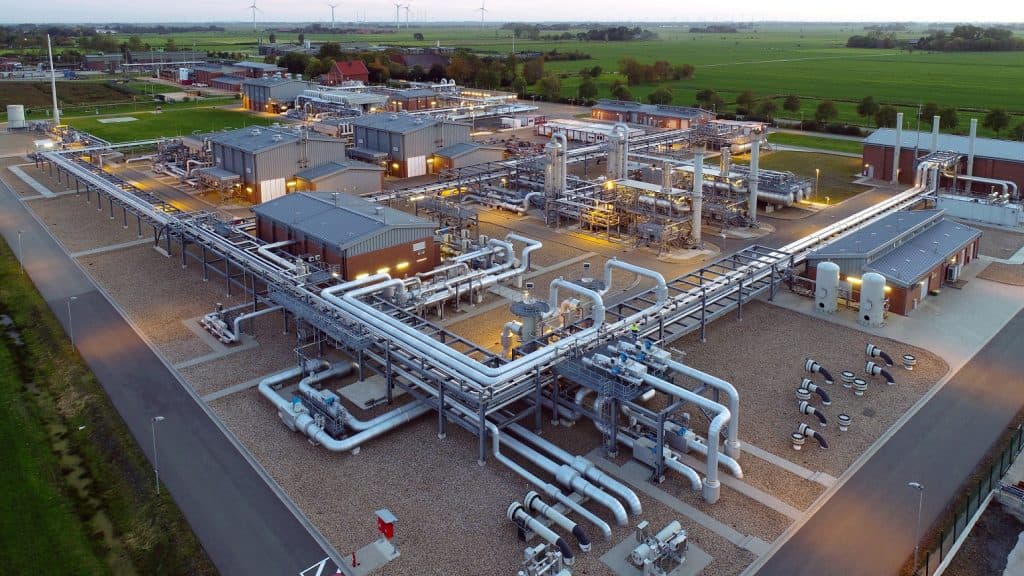
Ukrainian drones attacked two Russian refineries overnight, in Krasnodar Krai and Samara Oblast, sparking fires, the Meduza news website reported, citing local authorities and footage posted on social media.
According to Robert Brovdi, commander of a Ukrainian drone unit known by the nickname Magyar, Russia lost 4.7 percent of its fuel production capacity as a result of the strikes on the Novokuybyshevsk and Afipsky refineries, while overall output fell by 21 percent during the first two weeks of August. “Russians, go home,” the commander wrote on Telegram. His drones have repeatedly struck the Druzhba pipeline in recent days, prompting sharp criticism of Ukraine from the government of Hungarian Prime Minister Viktor Orbán.
In response to the attack on Druzhba, Hungary banned the commander of the Ukrainian drone attack from entering the country and the entire Schengen area of free movement, Hungarian Foreign Minister Péter Szijjártó wrote on X.
Russian oil is once again flowing through the Druzhba pipeline to Hungary and Slovakia. This was announced this morning by Hungarian energy company MOL and Slovak Economy Minister Denisa Saková.
The Kuybyshev refinery in Samara Oblast processes around seven million tonnes of oil a year, while the Afipsky refinery in Krasnodar Krai processes 6.25 million tonnes.
“Gasoline is becoming a scarce liquid, while gas and oil are burning up fast,” Brovdi noted.
Russian media have already reported fuel shortages affecting consumers in several regions in the Far East and on the Crimean Peninsula, which Moscow annexed in 2014 in violation of international law.
Rising gasoline prices at the end of summer are nothing new for Russia, but this year’s shortages have been exacerbated by Ukrainian attacks on refineries, the AP news agency reported on Wednesday. Larger, more concentrated attacks cause more damage and hamper production at a time when demand is peaking. Russian gasoline production fell by 8.6 percent year on year in the first 19 days of August, while diesel production fell by 10.3 percent.
Between August 2 and 24, Ukraine carried out at least 12 attacks on oil infrastructure, including at least ten strikes on sites in the Ryazan–Volgograd corridor, according to media reports. The attacks damaged many oil refineries but did not destroy them completely, as most facilities are highly resistant to fires. However, the attacks can slow operations, as evidenced by a decline in the volume of oil processed into diesel, gasoline and other products.
Authorities are concerned, but experts say gasoline shortages are not systemically critical and are so far limited to certain areas. Although drivers of passenger cars may face difficulties at filling stations, most buses and trucks run on diesel, of which Russia has a surplus. The army, which mainly uses diesel, has also been spared disruption. But that does not mean the situation cannot worsen, AP reported.
Ukrainian drones also attacked other Russian regions overnight. A locomotive depot in the city of Petrov Val caught fire in Volgograd Oblast, and rail services were suspended, Meduza reported.
Russia’s Defence Ministry said today that it had destroyed 102 Ukrainian drones overnight over seven regions, including annexed Crimea, as well as over the Black and Azov seas.
Translation disclaimer
This article is a machine translation of the Czech original and has not yet been fully reviewed. In case of any doubt, please refer to the Czech version.