10 September 2026, 15:21
Loading...
Czech dispute over the Turów coal mine
Beáta Packová
31 August 2020, 14:35
Recently, the media have often discussed whether the completion of Dukovany will go ahead and under what conditions. However, the situation surrounding the Turów mine receives only marginal media attention. The entire case has gradually gone quiet for two reasons: coronavirus and waiting for the European Commission’s statement.
History
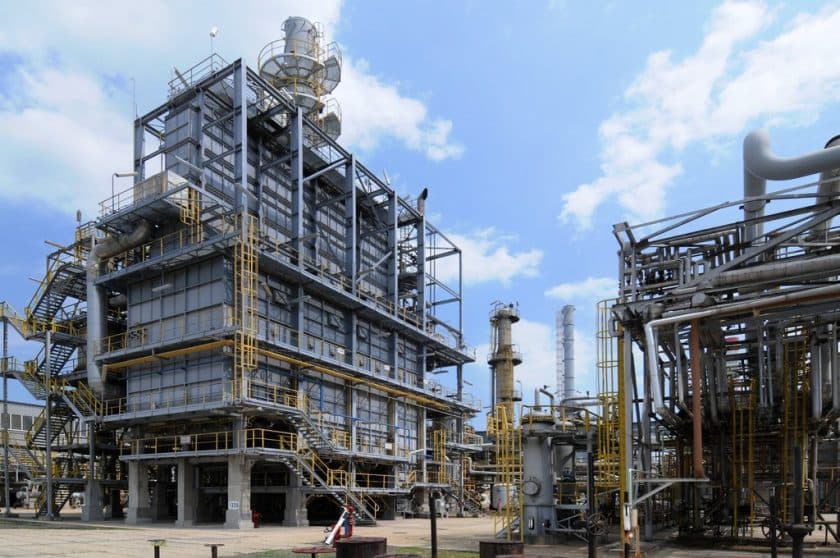
The Turów lignite power plant and mine are located in Poland, but have a significant impact on both the Czech and German environment. After the war, the Poles built their own coal-fired power plant, from which they benefit, while we in Czechia more or less “enjoy” the negative impacts. Several Polish villages were removed during the mine’s initial development. In 1962, the power plant began operating with a capacity of 2016 MW, comparable to that of the Czech Temelín plant.
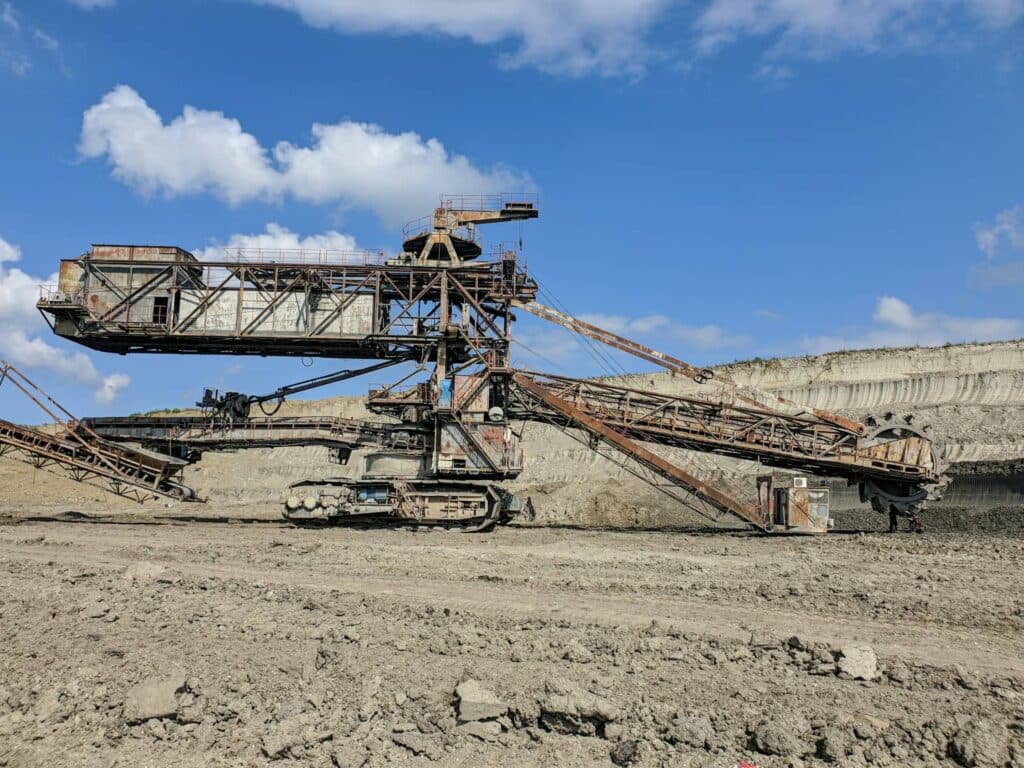
The open-pit mine is 225 m deep and covers an area of 28 km². It also extracts aggregate, loam and clay for the chemical industry. The mine is only 20 km from the Czech border, making it one of the greatest risks to Czech air quality. In essence, it is almost the largest producer of CO2 reaching as far as Prague. In addition to polluting our air, the Poles also draw our groundwater for the mine.
Mining at the site, which supplies the power plant, is set to continue until 2044. However, in January this year, the Polish government approved an expansion of mining towards the Czech border, and this is where a territorial dispute that continues to this day—and essentially into the future—begins.
Disputes
The mining permit was due to expire in April this year, but the Polish climate ministry extended the concession by another six years. At the same time, in January, the Poles issued a permit to expand mining by 30 km² and to a depth of 330 m. The mine is therefore expected to extend right up to the Czech border, with the closest municipalities being Uhelná, Václavice, Oldřichov na Hranicích and Hrádek nad Nisou.
The mayors of the municipalities, together with the Liberec Region, objected to the expansion because they fear water pollution, noise and dust. The Poles apparently do not care. They ignore Czech demands and refuse to communicate with us. Therefore, Czechs are seeking support from the European Commission, launching online petitions and protesting together with Germans at the so-called tri-border area.
The Czech government is to blame
The Poles are ignoring objections from the Czech side. Only a lawsuit before the European Court can therefore prevent the expansion. Until recently, however, Turów’s fate looked different. The European Union was expected to spend a large sum on phasing out the mine, which would compensate for the damage caused by curbing mining.
However, the European Council cut the budget, taking money from the Just Transition Fund and adding it to agricultural subsidies. The extent to which Andrej Babiš’s lobbying contributed remains a question. Babiš was criticised by the opposition for this. Paradoxically, the Czech government is therefore itself to blame for the situation.
Coal mining phase-out
A recent decision by the Polish government may bring positive news to the case. It has committed to permanently ending coal mining between 2050 and 2060. Poland is the largest producer of coal-fired energy in the entire European Union. The move towards a phase-out will therefore be gradual and also depends on discussions between Polish representatives and EU officials. Poland has also turned towards investment in building cleaner sources.
We will hopefully find out in the near future how both discussions (Czechia vs Poland and Poland vs the EU) turn out.
Translation disclaimer
This article is a machine translation of the Czech original and has not yet been fully reviewed. In case of any doubt, please refer to the Czech version.
Sdílejte článek prostřednictvím:
You might also like
10 September 2026, 10:37
9 September 2026, 15:05
9 September 2026, 13:24