The world's largest wind turbine: a technological marvel and an environmental challenge
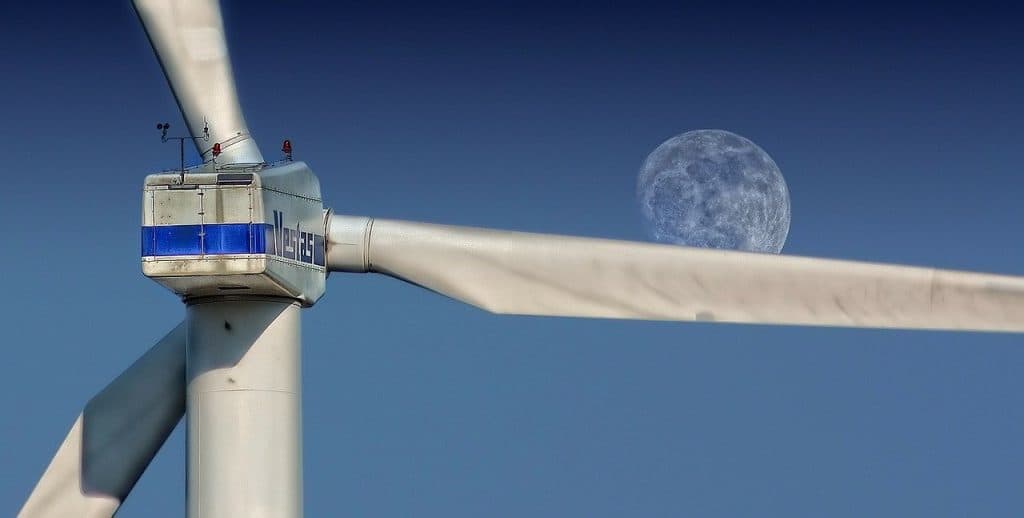
In August 2024, Mingyang Smart Energy commissioned a giant off the Chinese coast that pushed the boundaries of wind power, but also brings negative environmental impacts. The company installed a 20MW wind turbine, the largest of its kind in the world. The turbine stands 242 metres tall and has blades 128 metres long. At an average wind speed of 8.5 m/s, it generates 80 GWh a year.
The new turbine surpassed the previous record set by a 16MW turbine commissioned in June 2023 in China's Hainan province. Its blades sweep an area larger than two football pitches, allowing it to capture more wind energy than ever before. The designers used a modular carbon-fibre design. They designed it for areas with medium to high wind speeds. The turbine can also withstand extreme typhoons with wind speeds above 280 km/h.
China's Dongfang Electric Corporation has been working since October 2024 on a prototype of an even larger wind turbine, with a planned capacity of up to 26 MW.
Increasing the capacity of wind turbines is one of the main ways to reduce the cost of generating electricity from offshore wind farms. Larger turbines make it possible to generate the same amount of electricity over a smaller area and at lower maintenance costs.
Unexpected changes to the microclimate
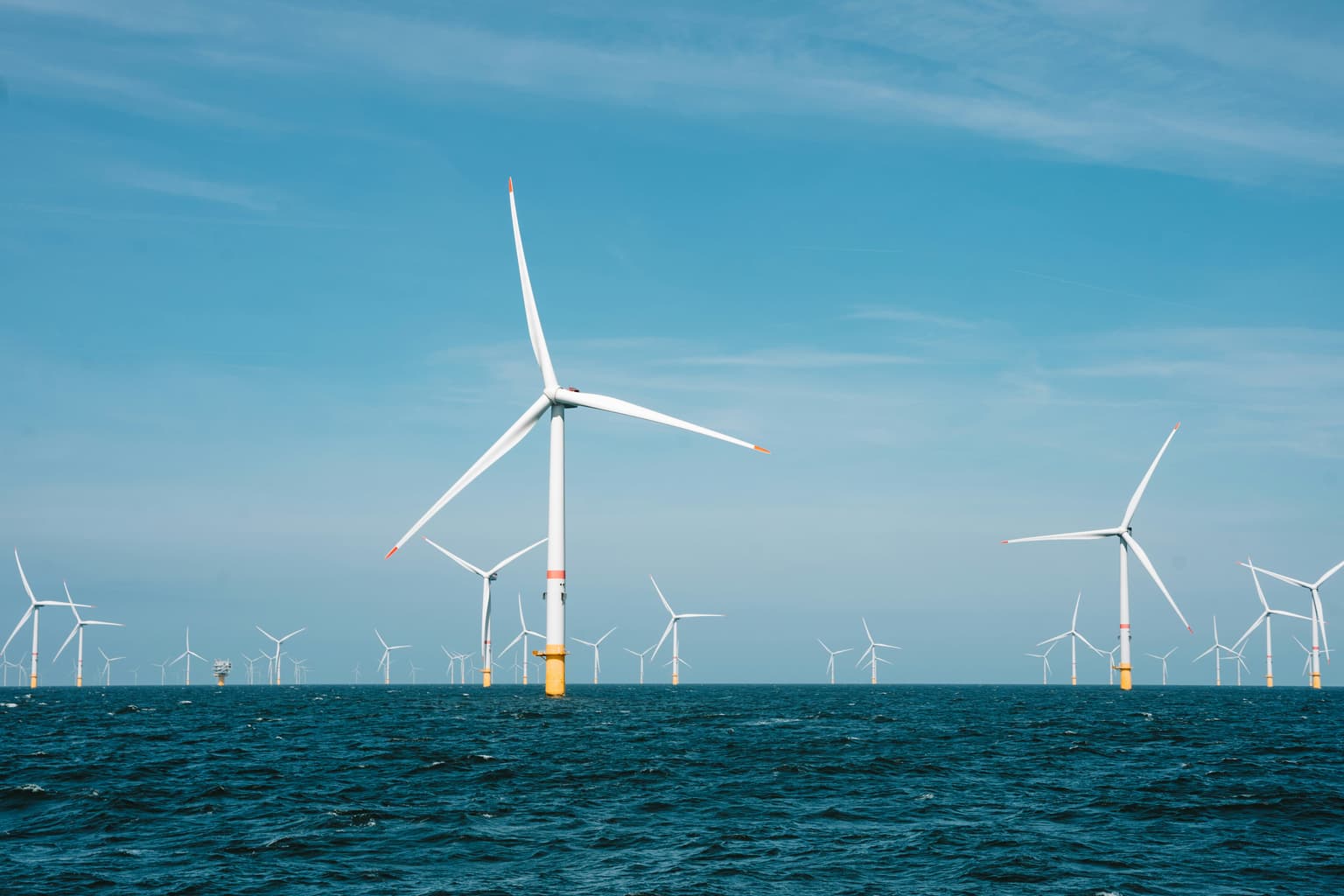
Wind turbines alter airflow. The sheer size of this giant Mingyang Smart Energy turbine produced such a strong effect that scientists recorded changes in wind speed and temperature patterns in the surrounding area. These microclimatic shifts could affect regional weather, so scientists are carrying out long-term monitoring.
Similar questions are being considered for smaller wind farms in Europe, including those in Czechia. The effects on local climate, agriculture and biodiversity need to be taken into account. Wind turbines in Europe and Czechia are smaller and are generally spread over a larger area. Their impact on the local climate is usually limited and does not lead to major changes.
Environmental impacts that cannot be ignored
In addition to affecting the microclimate, giant turbines can interfere with bird migration routes and marine ecosystems. As wind farms grow in size, however, so does the need for comprehensive environmental assessments.
In Czechia, this approach is already part of the permitting process. The Chinese example shows that technological innovation should go hand in hand with careful impact assessments. This is particularly true of projects involving new scales and capacities for equipment.
Translation disclaimer
This article is a machine translation of the Czech original and has not yet been fully reviewed. In case of any doubt, please refer to the Czech version.




