
17 October 2026, 13:09
Loading...
Agora: Splitting Germany's bidding zone would lower electricity prices and improve security of supply in Germany

David Vobořil
28 April 2025, 14:52
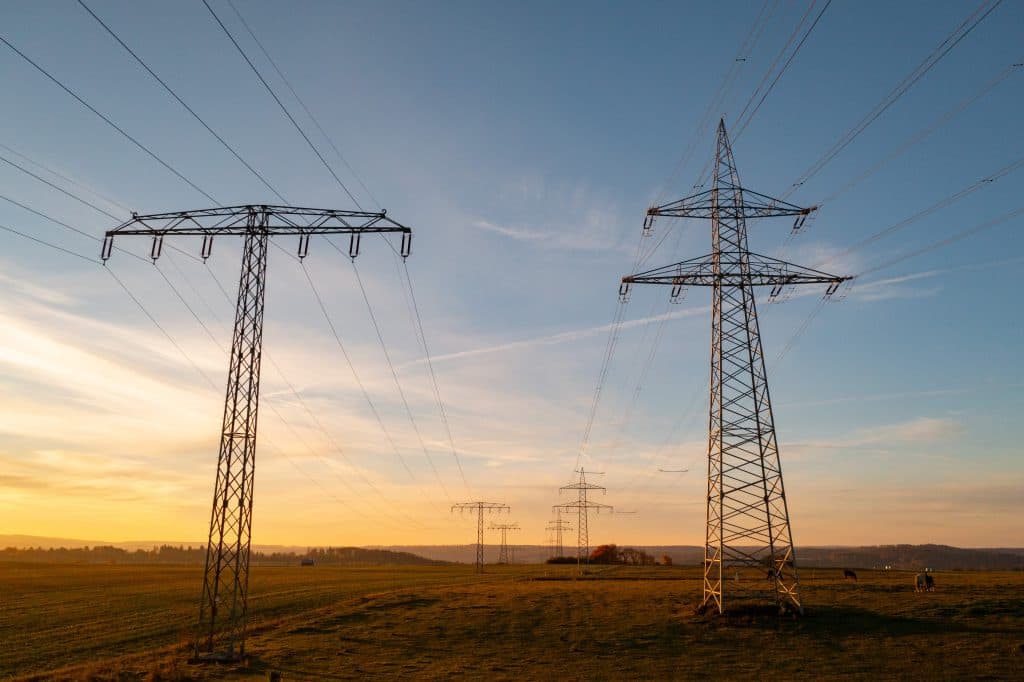
According to a report by the Agora Energiewende think tank, creating several price zones in Germany instead of one large bidding zone could help lower electricity prices in the country and improve security of supply. Under such a system of local pricing nodes, most households and businesses would benefit from lower electricity prices, with the modeled price across Germany falling by an average of six euros per MWh in 2023, the report says.
Splitting the single German bidding zone into several zones would, according to a study by the think tank and the Fraunhofer Institute, save transmission system operators the costs of stabilizing the grid. These costs rose from EUR 1.3 billion to EUR 3.2 billion between 2019 and 2023 and could continue to increase in the coming years. At the same time, security of electricity supply in Germany would be strengthened.
Bidding zone (also known as a price zone)
is a basic element of the European electricity market. The electricity price within a bidding zone is the same for a given trading interval. Trades between bidding zones are limited by available transmission capacity calculated by transmission system operators, while trades within bidding zones are carried out without restrictions. Defining the boundaries of bidding zones is therefore a matter of great importance to the market and requires thorough analysis.
“The German power system with a single bidding zone is currently blind to how the transmission grid is being used. To secure the future of the power system and avoid high costs, we need price signals that realistically reflect local generation and demand,” says Markus Steigenberger, executive director of the Agora Energiewende think tank.
The current system, in which generators can trade electricity freely with consumers across the country without having to consider whether sufficient transmission capacity is available to transport the electricity, fails to reflect bottlenecks in Germany's transmission grid.
These are found mainly between the north of the country, which has high levels of wind power generation, and demand centers in the south. Transmission system operators in Germany are therefore increasingly having to take costly measures to stabilize the grid.
Germany at the center of the ongoing EU bidding zone review
The likely new German coalition government has said in its coalition talks that it supports retaining a single bidding zone. The European Network of Transmission System Operators for Electricity, ENTSO-E, will publish its assessment of bidding zone configurations in Europe on 28 April as part of the so-called Bidding Zone Review.
This time, following a decision by the European regulator (ACER), the assessment focuses, among other things, on alternative configurations in Germany. In its study, transmission system operators will either recommend retaining the current configuration or changing it, based on predefined criteria.
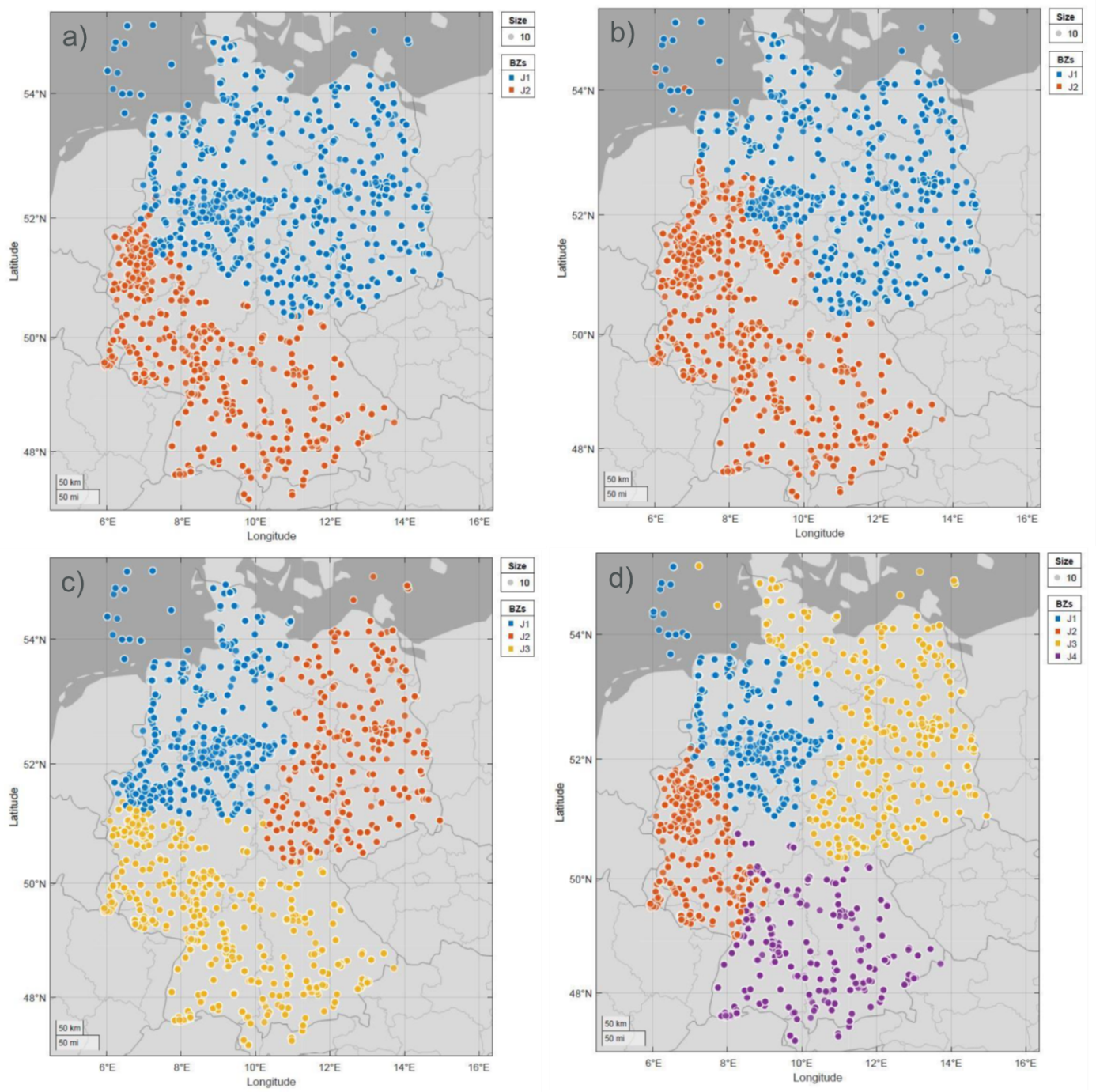
Proposed alternative configurations of bidding zones in Germany. Source: ACER
Translation disclaimer
This article is a machine translation of the Czech original and has not yet been fully reviewed. In case of any doubt, please refer to the Czech version.
Sdílejte článek prostřednictvím:
You might also like




16 October 2026, 10:16