GasNet modernizes gas pipelines in Czechia's Klatovy and Strakonice regions
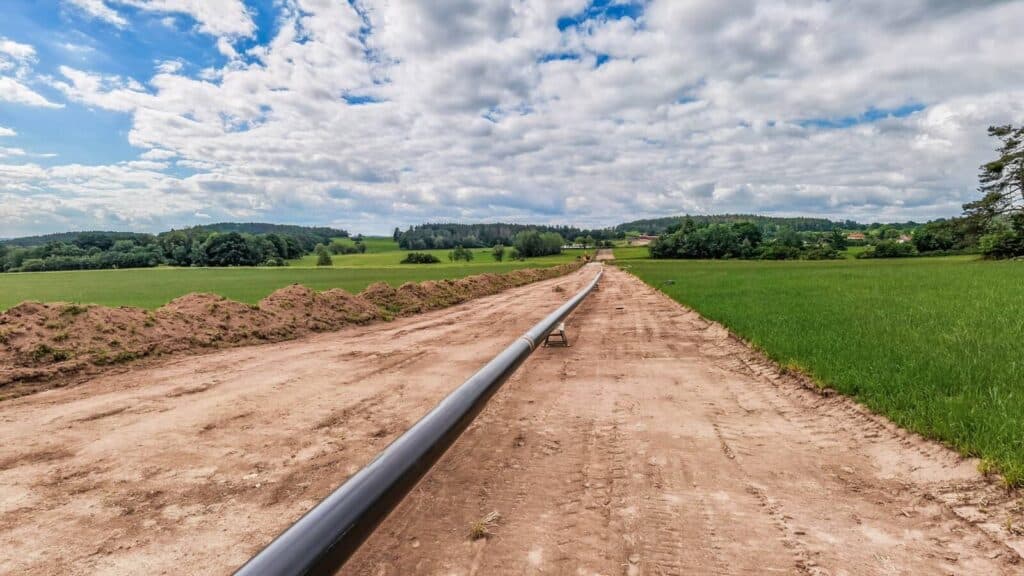
GasNet, the largest gas distributor in Czechia, plans to complete 580 key construction projects across the country this year. Its subsidiary Gas Distribution will carry out a further 105 investment projects. Major projects in southwestern Czechia include the reconstruction of a main gas pipeline in the Klatovy area, which is taking place in the challenging terrain of the Šumava Protected Landscape Area. Gas workers are also working on another key reconstruction near Strakonice, where they are increasing the capacity of the distribution network. Thanks to carefully selected technical measures, the work is being carried out without interrupting gas supplies to customers. With these projects, worth a total of CZK 99 million, the companies are strengthening the long-term reliability of gas supplies in the regions.
In the Klatovy district, GasNet supplies gas to more than 17,000 customers. It is now replacing the original high-pressure pipeline, dating from the late 1960s and early 1970s, with a new steel pipeline. Construction has been taking place in stages since 2021 and covers 25 kilometres of main pipeline between Starý Láz, Nýrsko and Železná Ruda. In recent years, gas workers have modernized 12.5 kilometres of pipeline running from Starý Láz through Nýrsko, and are now reconstructing a three-kilometre section near the village of Hojsova Stráž. They aim to complete this stage in September and plan to focus on reconstruction work near Železná Ruda in the coming years.
„The gas pipeline runs through the rugged terrain of the Šumava Protected Landscape Area, so we have coordinated preparations with its administration from the outset. To minimize the construction’s impact on nature, we are keeping to the pipeline’s original route and seeking to reduce the extent of excavation and the width of the protected corridor wherever regulations allow. Local climatic conditions also affect the work, leaving us a relatively short time window for each stage. Once construction is complete, we will help restore the affected areas to their original condition, including by using suitable seed mixtures in line with the Protected Landscape Area’s requirements,“ says Pavel Komsa, GasNet Group’s Director of Investment and Construction.
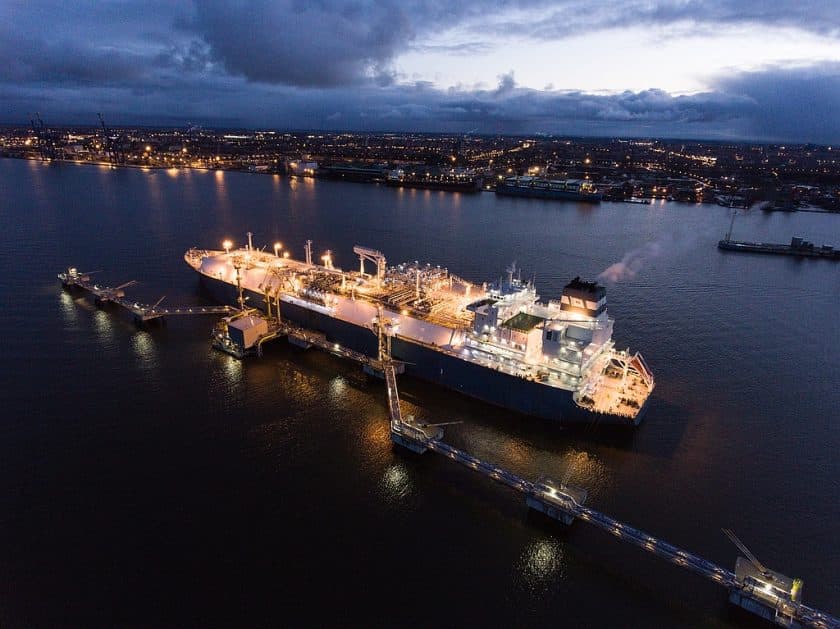
Gas workers are using a wide range of specialized technologies: „We looked for ways to maintain stable gas supplies to local households and businesses during construction. We decided to use a temporary supply system involving mobile tankers carrying liquefied natural gas (LNG). Liquefied gas takes up to 600 times less space than in its gaseous form. This makes it possible to transport a relatively large quantity of gas in a mobile storage tank. This allows us to maintain uninterrupted gas supplies to customers,“ explains Ivo Jirovský, GasNet’s Director of Strategic Asset Management.
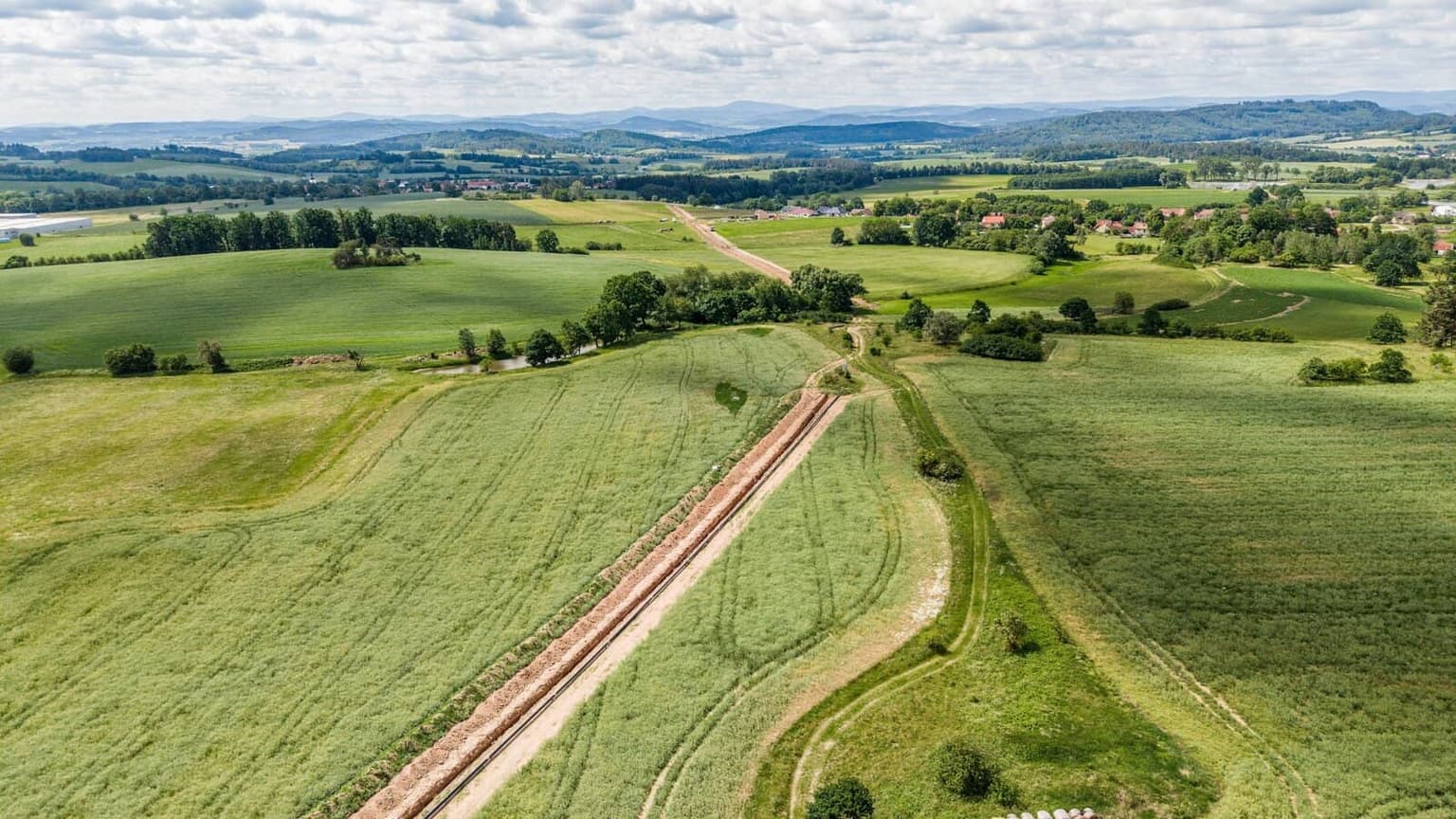
Because of the rocky ground, gas workers are also using pipes with specially reinforced concrete protection. Beneath the local railway, they will push the pipe through using trenchless technology, limiting the impact of construction on local transport as well.
Gas Distribution increases gas network capacity for Strakonice
The main gas pipeline is also being reconstructed along its existing route near Strakonice. Through its subsidiary Gas Distribution, GasNet Group is replacing the original pipeline from the late 1960s with a new, higher-capacity pipe. This will strengthen gas supplies to the town and its surroundings.
„The town of Strakonice receives gas from two main directions—north and south. We are now reconstructing the northern route, which supplies gas to more than 5,180 customers in the Strakonice district. Specifically, we are modernizing a nearly six-kilometre section from Sedlice to Radomyšl. Since the original gas network, built in 1968, has reached its maximum capacity, we are doubling the pipe diameter and raising the maximum operating pressure to 4 MPa. The pipeline will therefore be able to deliver more gas to Strakonice, helping to support the further development of the town, its industry and its energy sector. Thanks to carefully selected technical measures, construction is taking place without interrupting gas supplies to customers,“ says Jiří Nováček, CEO of Gas Distribution.
The company, which operates the distribution network in the South Bohemian Region and part of the Vysočina Region, plans to complete this year’s stage in October. In the coming years, it will continue with reconstruction work from Radomyšl to Strakonice.
More than 680 key construction projects
The gas pipeline reconstructions in southwestern Czechia are part of a major modernization of the gas network across the Czech Republic. „GasNet’s gas infrastructure forms the backbone of the domestic energy sector and economy. More than 2.3 million households and businesses rely on it every day across 85% of the Czech Republic. Our absolute priority is therefore the safe and reliable distribution of gas, which requires systematic investment in renewing and developing the network and in digitalization. Last year, we invested just under CZK 6 billion in modernizing gas infrastructure, and this year we plan to invest at least a comparable amount. Our subsidiary Gas Distribution plans to invest a further CZK 500 million. We are preparing thoroughly for changes associated with the decarbonization of Czech energy, such as the transition of district heating plants and large energy facilities to gas,“ says Andrzej Martynek, GasNet’s CEO.
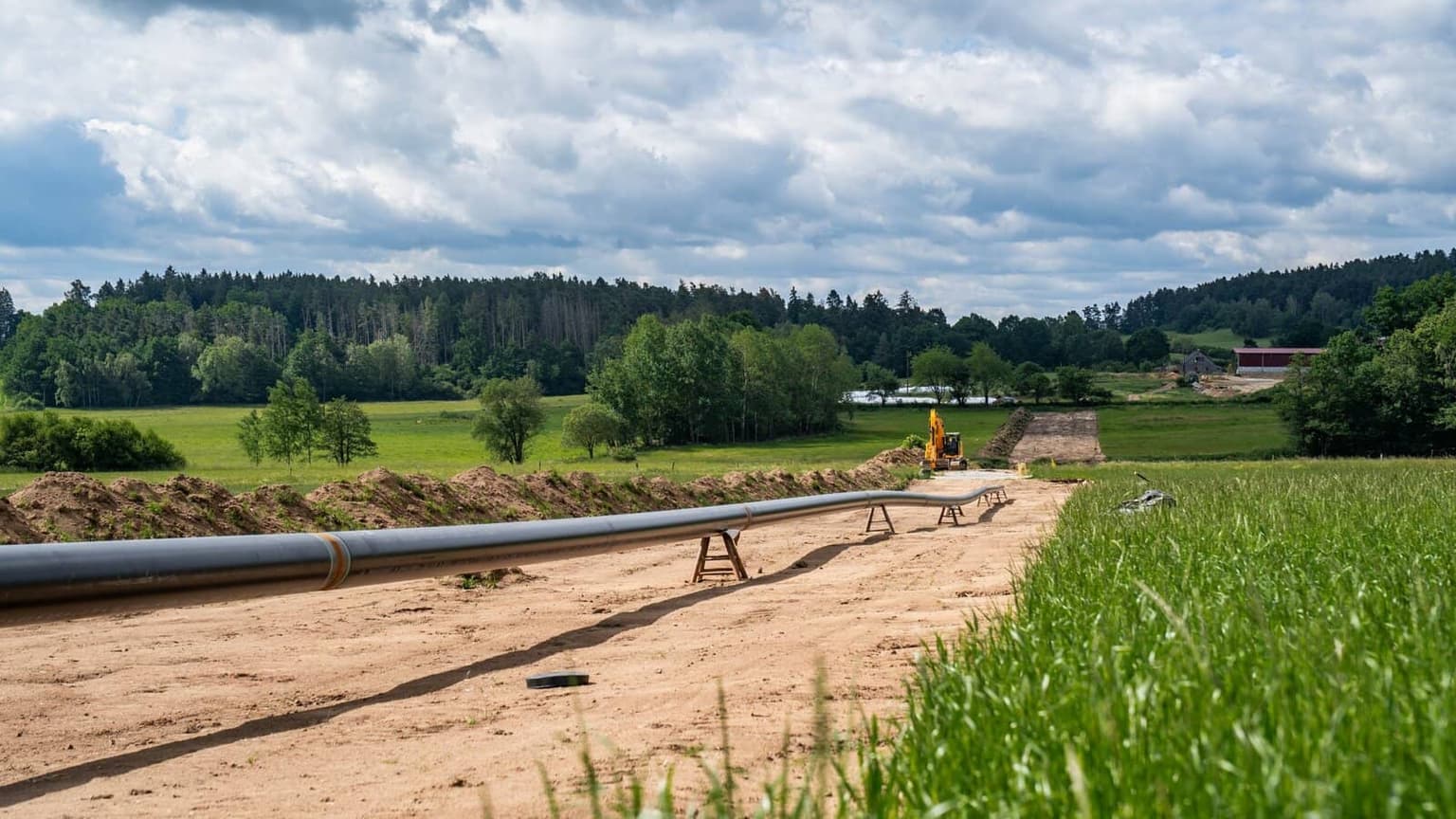
In 2026, GasNet plans to complete 580 key construction projects and modernize 250 km of gas pipelines and 40 regulating stations across Czechia. Its subsidiary Gas Distribution will carry out a further 105 investment projects, covering 36 km of gas pipelines and 9 regulating stations.
To plan the reconstruction of strategic gas pipelines more accurately, GasNet is increasing the scope of its internal inspections year on year. These are carried out using so-called intelligent tools—specialized probes inserted directly into high-pressure gas pipelines to assess the condition of the pipes. The data collected enable the company to target reconstruction work on individual sections more precisely. While GasNet inspected 46 kilometres of high-pressure gas pipelines internally in 2024, the figure rose to more than 70 last year and will reach 121 kilometres this year. This helps the company improve the planning and efficiency of reconstruction work.
Translation disclaimer
This article is a machine translation of the Czech original and has not yet been fully reviewed. In case of any doubt, please refer to the Czech version.