
2 October 2026, 21:55
Loading...
Heatwave in France also threatens gas-fired power plants
Klára Čeperová
21 July 2026, 10:31
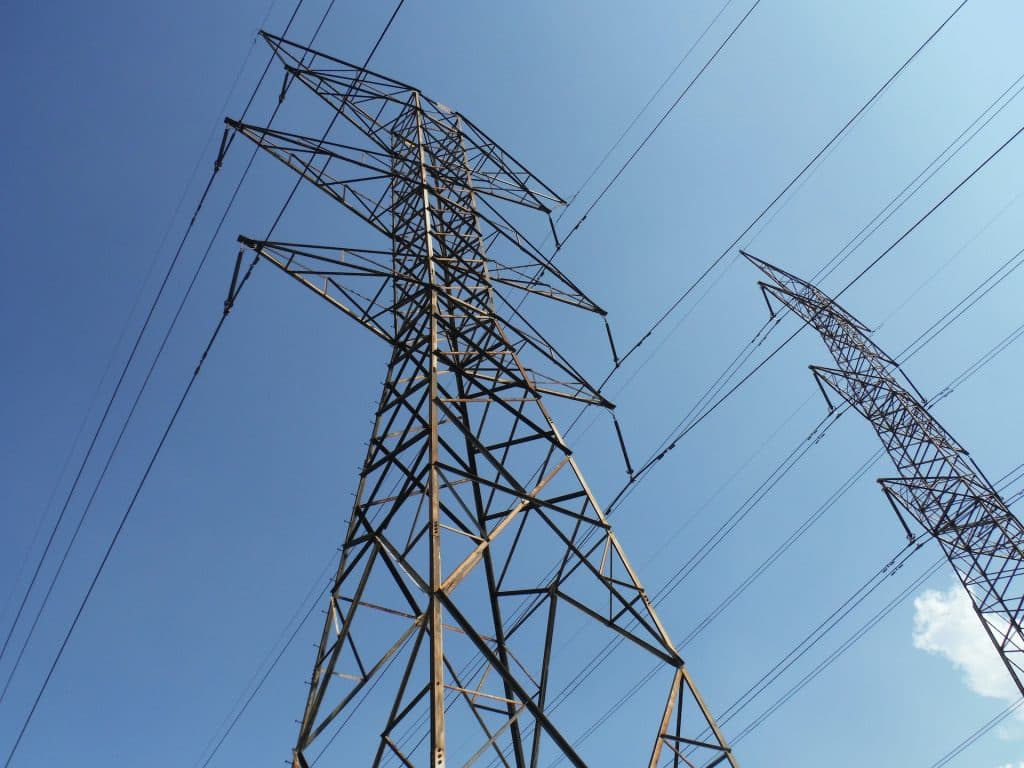
A gas-fired power plant in southern France was at risk of shutting down late Thursday evening last week, as high temperatures in the Mediterranean Sea restricted access to cooling water. This added further pressure on an energy system already facing reduced nuclear power output.
A series of heatwaves that hit Europe as early as the start of summer drove temperatures to unprecedented levels, causing water shortages, forest fires and several deaths. But they are also having a major impact on electricity markets.
Reuters reports that French energy company EDF issued a production restriction notice for the 930-megawatt Martigues power plant, marking the first time this summer that a French gas-fired power plant has been at risk of being disconnected from the grid because of the heat.
Although gas-fired power generation accounts for only a small share of France’s overall energy mix, outages at gas-fired plants would mean further lost capacity on top of the 4.9 gigawatts of unavailable nuclear capacity caused by high river temperatures on Thursday evening. A further 2.5 GW is offline because of low river levels.
EDF was granted an exemption allowing the gas-fired power plant to continue operating beyond the usual water temperature threshold of 30 degrees Celsius until 15 September, but it is already at risk of exceeding the raised limit of 32 °C.
“We have witnessed two waves of climate-related outages that were unprecedented in both their severity and timing, and affected reactors that are not usually impacted by them,” Thibault Laconde, founder of climate data analysis company Callendar, told Reuters.
Nuclear power and heat
Nuclear power accounts for approximately 70 % of France’s total electricity supply. According to Reuters, current nuclear power plant outages represent around 14 % of France’s total nuclear capacity. The French heatwave is expected to ease further in the coming days. However, the drought has been worsening day by day since the end of May because of a lack of significant rainfall combined with exceptionally high temperatures, the agency added.
Translation disclaimer
This article is a machine translation of the Czech original and has not yet been fully reviewed. In case of any doubt, please refer to the Czech version.
Sdílejte článek prostřednictvím:
You might also like

2 October 2026, 15:14
2 October 2026, 10:06
2 October 2026, 06:14