10 November 2026, 16:31
Loading...
How to avoid the 5 biggest mistakes when investing in solar in Czechia?
oEnergetice.cz
18 September 2023, 07:20
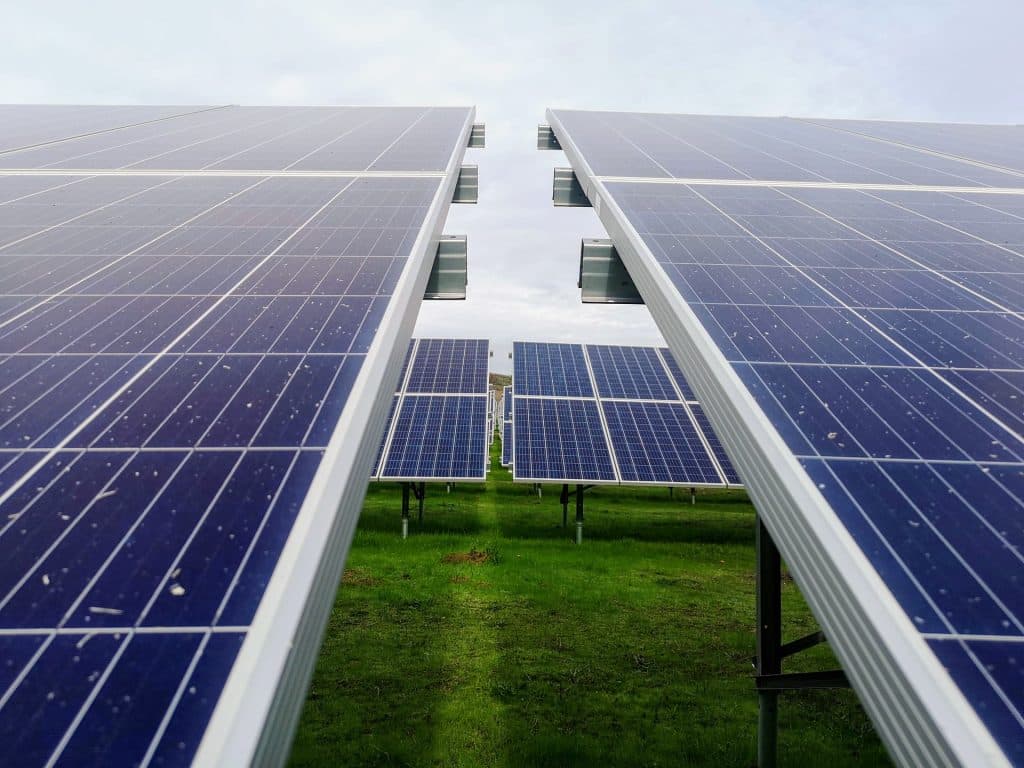
Most owners install solar PV primarily to save money. Disappointment sets in when the system does not work as they expected. We have analysed the 5 most common mistakes solar investors make so you can avoid them when planning your solar power plant.

Source: Smart Energy Forum
You can discuss investing in solar PV with 200 experts at the Smart Energy Forum trade fair in Prague on 17–18 October 2023.
1. Poor-quality installation
One of the most common problems investors have encountered in recent months is poor-quality installation. Installing solar PV yourself or using untrained staff can save money, but it also carries significant risks that can make the entire project much more expensive.
Trained professionals will connect all the components correctly and know how to handle them properly to avoid damaging them during installation. Proper installation also minimises the risk of a fire caused by faulty wiring. Preparation and connection should always be carried out by an authorised technician.
The sharp rise in installations has also led to an increase in the number of fires that firefighters have been called out to. From January to July 2023, firefighters recorded 45 fires at solar power plants. There were 22 such callouts in 2022, and 15 a year in previous years.
When choosing an installation company, we recommend carefully checking its references and finding out how well-trained its installation team is. Reviews on Google or social media can be a useful guide. Some companies allow prospective customers to visit one of their installations by prior arrangement and see the quality of their work.
2. A supplier with no track record
There is a wide range of products and components for solar power plants on the market. Some manufacturers can keep prices low, making it very easy for solar investors to be tempted by an attractive offer. These offers can be particularly appealing for larger installations that require more materials.
Solar panels now come with warranties of up to 30 years. If you do not properly vet your component suppliers, the manufacturer could go out of business, leaving you with nowhere to make a warranty claim—or forcing you to pursue it with great difficulty.
Certification awarded to vetted companies can help when assessing manufacturers of solar PV components. The analytical company Bloomberg New Energy Finance (BNEF) publishes a quarterly list of the most reliable solar panel manufacturers, which it certifies as TIER 1. BNEF’s analysis provides an overview of stable and reliable solar panel manufacturers that meet specified criteria.
3. Using unsuitable materials
Firefighters encounter the risk of unsuitable materials being used particularly often at poorly executed installations or solar power plants installed by the owners themselves. Before choosing specific products, it is important to have high-quality documentation prepared, including a fire safety design.
Another potential risk is the use of plastic support structures instead of metal ones, which are most commonly made of aluminium or galvanised steel. Plastic structures may perform less well when exposed to heat and sunlight, and they will not withstand a fire. Poor-quality battery storage systems or inadequate lightning protection can also have a significant impact on the performance and long-term operation of a solar power plant.
4. Solar PV is not tailored to the family
A key to living happily with a solar power plant is to map out the family’s needs and daily routine. Since you will have the system for many years, it is also important to consider future prospects and the possibility that the family’s needs may grow.
An experienced designer should find out how your household works and what you would like to use the energy you generate for. In summer, solar PV can heat a swimming pool; in winter, it can power underfloor heating. You should take all your household’s needs into account and consider building a larger system rather than having to expand it later, which can be a difficult process.
Solar energy can also be used to charge an electric car at home. Charging an electric car with solar panels is environmentally friendly and financially advantageous, because you charge for free.
5. Unsuitable orientation and location
The orientation of a solar PV system and an unsuitable tilt can have a significant impact on its output. To maximise self-consumption, panels are currently best installed with an east-west orientation, if conditions allow.
This is where some inexperienced installers make mistakes, recommending a “traditional” installation with panels facing southwest and a roof pitch of 40–45°.
On flat roofs, panels are usually installed at an angle of 15°, and horizontal installation is also possible. Besides producing less energy, its disadvantage is that the panels get dirty more quickly.
You can find out about the best panels and other components at the Smart Energy Forum solar PV conference in Prague on 17–18 October 2023.
Translation disclaimer
This article is a machine translation of the Czech original and has not yet been fully reviewed. In case of any doubt, please refer to the Czech version.
Sdílejte článek prostřednictvím:
You might also like
10 November 2026, 15:19
10 November 2026, 10:23
10 November 2026, 09:48

10 November 2026, 06:21