20 October 2026, 15:34
Loading...
Hydrogen buses in Ústí nad Labem, Czechia, not coming anytime soon

oEnergetice.cz, ČTK
22 January 2025, 07:31
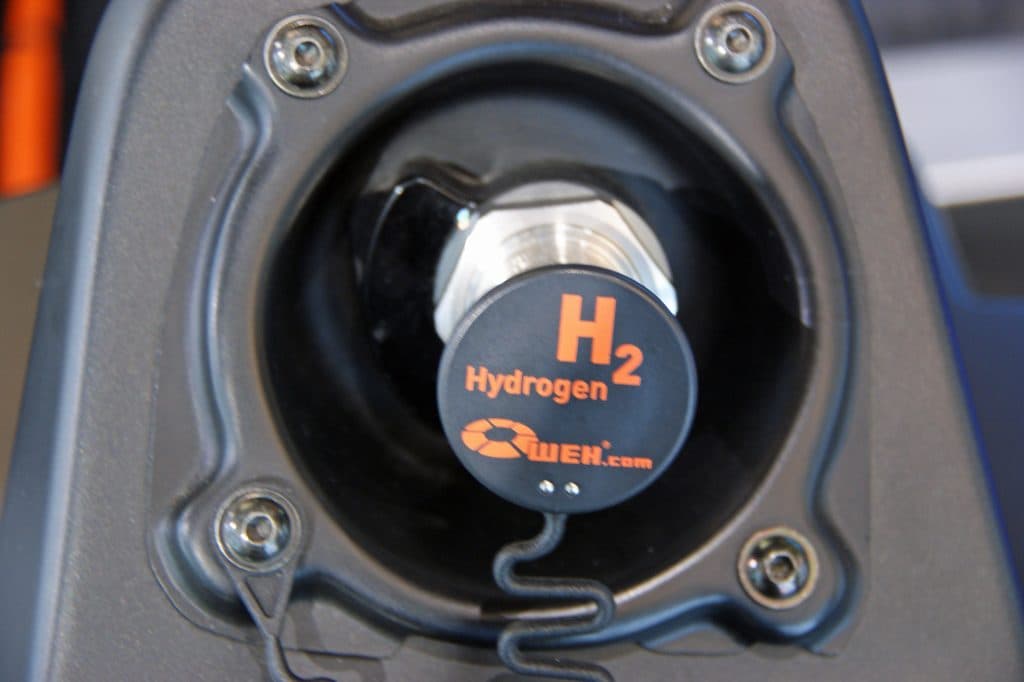
Hydrogen buses will not be coming to Ústí nad Labem anytime soon. The regional capital will not proceed with a project to introduce hydrogen mobility, which it had planned to seek support for from the Just Transition programme, as it would not be economically viable. Mayor Petr Nedvědický (ANO) told ČTK.
The project aimed to reduce the negative environmental impact of public transport operations. The transport company was to acquire 20 hydrogen buses, with plans to build a refuelling station and renovate its service facilities. The city had expected to receive hydrogen produced at Spolchemie in Ústí nad Labem.
„We had to suspend the project because of the European Commission’s decision on the type of (supported) hydrogen,“ the mayor said.

Hydrogen is classified by different colors. Green hydrogen is produced by splitting water through electrolysis. All the energy required comes from renewable sources. Pink hydrogen is obtained through electrolysis using electricity and heat from nuclear power plants, as is the case with hydrogen from Spolchemie. A project using this type of hydrogen would not receive support from the European Union.
According to Nedvědický, the stated price of the raw material also influenced the suspension of the project. „There is one binding document, the government’s hydrogen development strategy, which states that a kilo of hydrogen will cost an average of four euros (about 100 Kč) in 2030. But even using a local source from Spolchemie, we would not be able to secure a price of six to eight euros. It would be completely uneconomical for us. We would also be putting the transport company’s board and supervisory board at risk if we took the chance of buying hydrogen from our local producer at a much higher price than the European one,“ the mayor said.
The hydrogen mobility project in Ústí nad Labem was divided into four parts: construction of an H2 refuelling station, purchase of hydrogen fuel-cell buses, renovation of the repair hall, and construction of a purification and compression station. Hydrogen is produced at Spolchemie as a by-product of sodium chloride and potassium chloride production using membrane electrolysis. The project was estimated to cost one billion crowns, with an EU grant expected to amount to about 848 million crowns, according to information on the website of the Ústí Region.
Translation disclaimer
This article is a machine translation of the Czech original and has not yet been fully reviewed. In case of any doubt, please refer to the Czech version.
Sdílejte článek prostřednictvím:
You might also like
20 October 2026, 12:55
20 October 2026, 10:49
20 October 2026, 06:13