Oil prices rise after attacks on Iran as market watches critical threshold

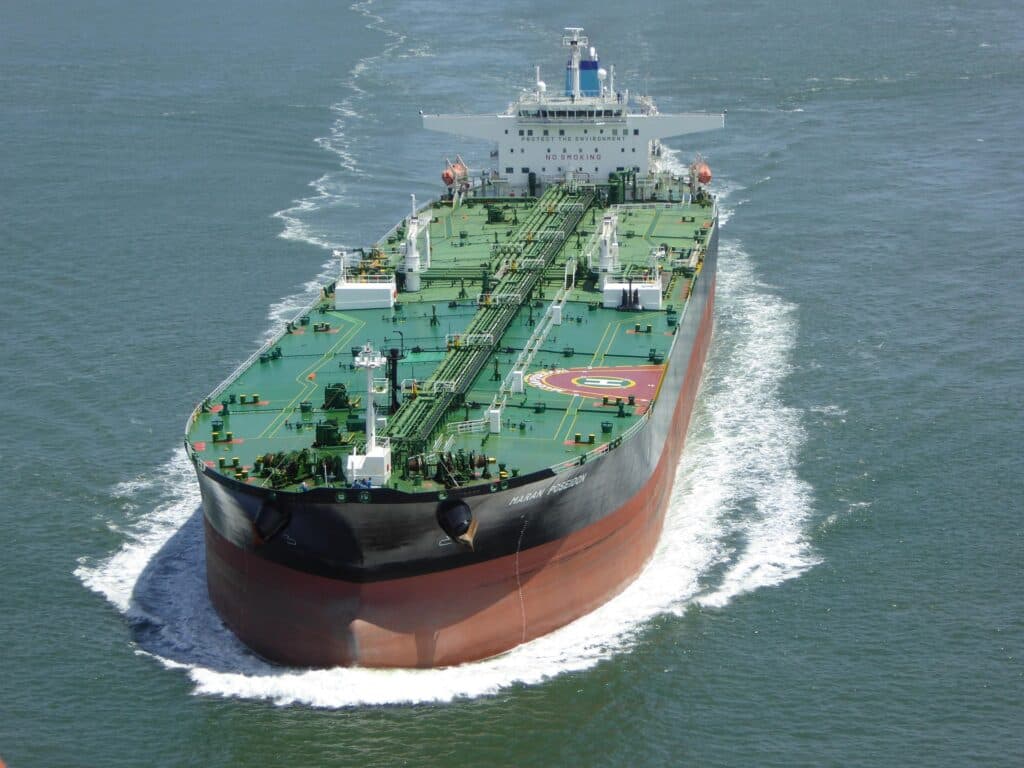
US airstrikes on Iranian nuclear facilities have heightened tensions in the Persian Gulf and affected the oil market. The Strait of Hormuz—a strategic chokepoint through which a fifth of the world’s oil flows every day—is a key potential point of failure for global oil logistics. Analysts warn that the threat of its closure could have negative consequences not only for fuel prices, but also for the health of Western economies. Brent crude prices remain below the critical threshold for now.
On Saturday, June 22, the United States launched large-scale air and missile strikes on Iranian nuclear facilities in Fordow, Natanz and Isfahan. It was the first direct US intervention in a conflict that until then had been fought primarily between Israel and Iran. President Trump described Operation Midnight Hammer as “a necessary action to defend against nuclear terror”, while Iran is threatening a harsh retaliation, including closing the Strait of Hormuz.
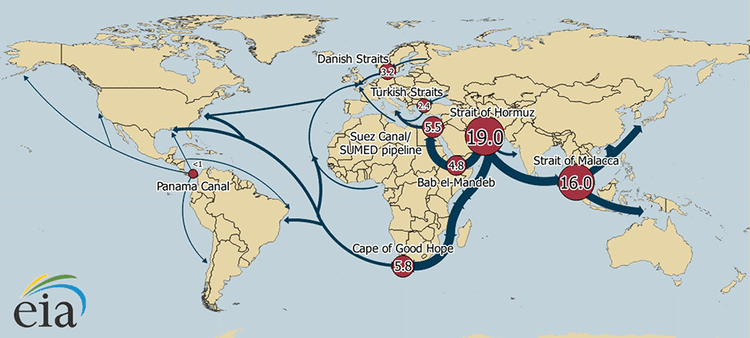
This narrow sea passage is an absolutely vital artery for the global energy sector. Up to 20 million barrels of oil flow through it every day—almost 30% of all seaborne oil shipments and approximately 20% of global consumption. Security tensions were therefore immediately reflected in prices on global markets.
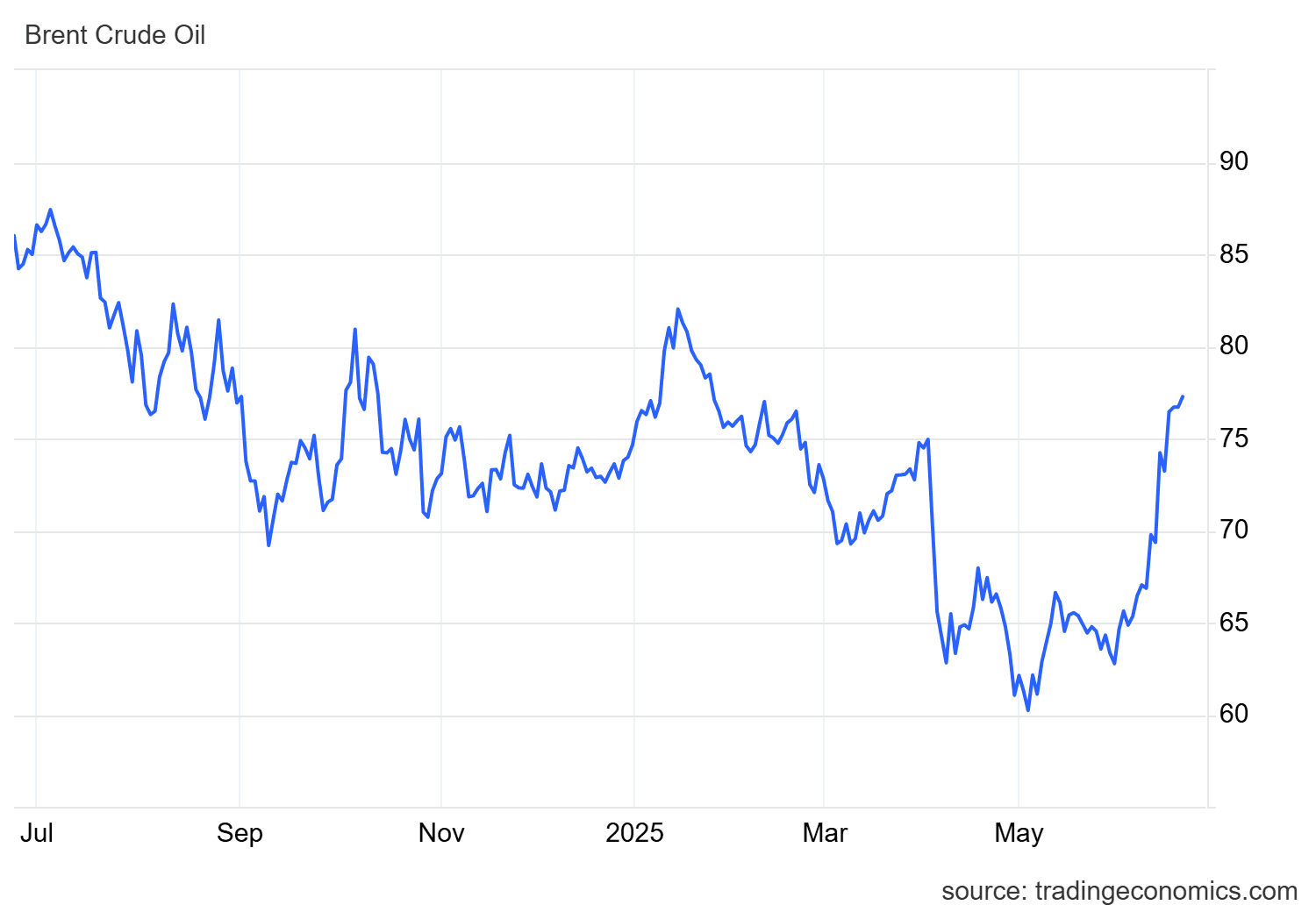
Brent crude, one of the world’s main oil price benchmarks, surged by more than 11% in three days, from $62 to $73 a barrel. Analysts warn that Brent could exceed $100 if the strait is closed. Such a development would affect not only the security situation in the region, but also the global economy.
According to the International Energy Agency, every additional ten dollars could slow global growth by half a percentage point. If tensions escalate further, the impact will quickly be felt in fuel prices too. In the US, gasoline has already topped $4.20 a gallon, while in Europe, diesel and gasoline prices are expected to rise by 15–25 % within a few weeks. The question, however, is how long oil market prices will remain at this level.
For Europe, the crisis is also arriving at the worst possible time. Having moved away from Russian oil, it is increasingly relying on supplies from the Persian Gulf—but these flow through the Strait of Hormuz. If the strait were closed, most of these supplies could not be replaced, according to an analysis published by Energy Intelligence.
Alternative routes do exist, such as Saudi Arabia’s East–West pipeline (capacity of 5 million barrels a day) and the route from Abu Dhabi to the port of Fujairah in the United Arab Emirates (1.5 million barrels a day), but these capacities are nowhere near sufficient, analysts say.
The cost of shipping is also rising: tankers now have to take longer, more expensive routes for safety reasons or pay higher insurance premiums. The natural gas market in liquefied form (LNG – liquefied natural gas) is also at risk. Around 20 % of global LNG exports pass through the Strait of Hormuz too. Europe is also competing with Asia for limited supplies. Gas stocks across the European continent have already fallen below 50 % of storage capacity, which will push up natural gas prices if the crisis persists.
Translation disclaimer
This article is a machine translation of the Czech original and has not yet been fully reviewed. In case of any doubt, please refer to the Czech version.




