27 October 2026, 06:15
Loading...
Top 10 energy stories of the past week
oEnergetice.cz
30 November 2025, 21:14
This week, we once again bring you a carefully selected list of the ten most important articles published on oEnergetice.cz. If you missed any of them, here is a selection of the articles that attracted the most interest from our readers. Best of luck in the new week!
1. Petrofac failed to pay on time, so Orlen Lithuania cancelled a contract worth nearly one billion euros

The Lithuanian subsidiary of Polish group Orlen cancelled a contract worth one billion euros with British company Petrofac. The contract involved the repair and refurbishment of Lithuania’s only refinery, in the city of Mažeikiai. The British partner is facing financial difficulties.
According to an Orlen Lithuania spokesperson, the contract was cancelled on Monday morning because British company Petrofac had repeatedly paid late. Subcontractors involved in the repair had to lay off staff and reduce capacity because they were not being paid. Orlen says the project is about 80% complete and that it has already started looking for a new partner to finish it.
Read the full article HERE.
2. Biomethane production in the EU is growing rapidly, but not enough to meet REPowerEU targets

The European Union and its member states have significantly stepped up support for biomethane and biogas production in recent years. Despite rising output, it still falls considerably short of the EU’s ambitious 2030 targets, news site Montel News reported.
Following Russia’s invasion of Ukraine in 2022, the European Commission launched the REPowerEU plan, which aims to rapidly reduce the Union’s dependence on Russian fossil fuels while accelerating the transition to cleaner energy sources. The strategy is based on a major expansion of renewables, energy savings and diversification of energy commodity supplies. Biomethane is one of the key tools in this approach.
Read the full article HERE.
3. EU pledges 15.5 billion euros for clean energy in Africa as China continues investing
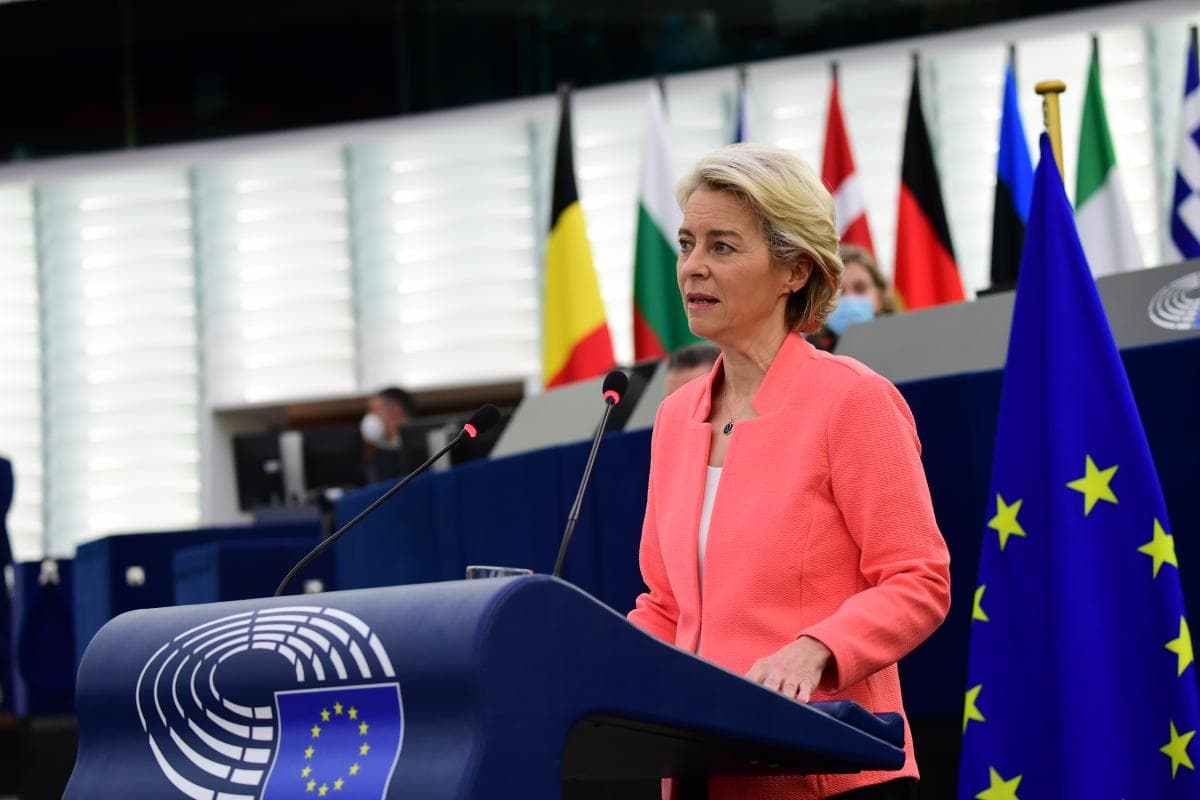
The European Union announced that it would mobilise 15.5 billion euros for clean energy development across the African continent as part of its “Scaling Up Renewables in Africa” campaign. According to the European Commission, 7 billion euros comes directly from new EU commitments. The funding is intended to support the development of new renewable energy sources and provide access to electricity for 17.5 million people. Alongside China and others, the EU is seeking to increase infrastructure investment on the continent.
Africa, at least in terms of its natural resources, is a region with enormous potential, according to many politicians. Selected analyses indicate that it is home to around 60% of the world’s best solar sites, particularly in the northern and southeastern parts of the continent.
Read the full article HERE.
4. EU approves nearly 2 billion euros in compensation for LEAG for the early closure of German coal-fired power plants

The European Commission approved German compensation of up to 1.75 billion euros for energy group LEAG, which will shut down its power plants early as part of Germany’s coal phase-out. The compensation will cover lost profits and social costs associated with restructuring the region, and help stabilise parts of eastern Germany that have long depended on lignite mining.
The European Commission has authorised Germany to provide state aid of up to 1.75 billion euros to Lausitz Energie Kraftwerke AG (LEAG) as compensation for the early closure of its lignite-fired power plants. The compensation covers the company’s lost profits and the social costs of supporting employees as they transition to new jobs.
Read the full article HERE.
5. Gas supplies to Ukraine via Greece and the Balkans are rising. December auction confirms the growing role of the Vertical Corridor
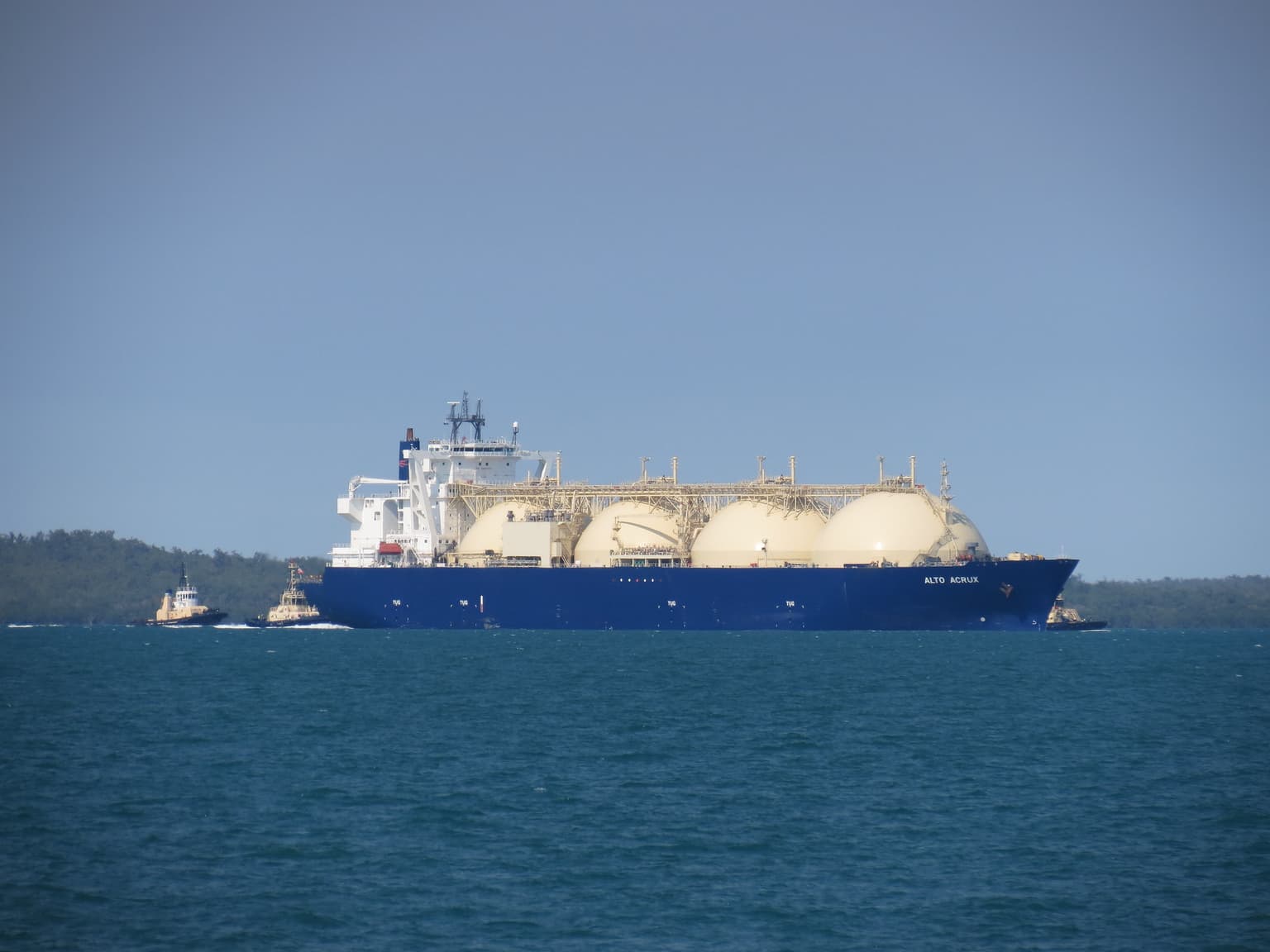
The November monthly capacity auction for Route 1 showed a sharp increase in interest in transporting gas from Greece to Ukraine via the so-called Vertical Corridor. Three traders booked 13.68 GWh per day for December, more than double November’s volumes, news site CeenergyNews reports.
The auction for monthly capacity products paved the way for the first commercial gas deliveries from Greece to Ukraine, and the results of the December auction held on 24 November confirm the growing trend. Three participants took part in the auction, with demand reaching 60% of the total capacity offered. The route is jointly made available by transmission system operators DESFA in Greece, Bulgartransgaz in Bulgaria, Transgaz in Romania, VestMoldTransgaz in Moldova and GTSOU in Ukraine.
Read the full article HERE.
6. ČEZ plans to build more than 600 MW of wind power in cooperation with municipalities

Energy company ČEZ plans to build wind power plants with a total capacity of more than 600 megawatts (MW) in cooperation with municipalities. It has so far signed 41 cooperation agreements with municipalities. The company informed the Czech News Agency (ČTK) today. At the end of last year, wind power capacity in Czechia stood at around 371 MW. Czechia lags behind other European countries in its use of wind energy.
"We are pleased that our offer has been welcomed by more than forty municipalities across the Czech Republic. The total potential capacity of wind turbines at the sites covered by agreements has exceeded 600 MW. Partnerships with municipalities are absolutely essential to us, because only by working together can we move wind projects forward," said Jan Kalina, a member of the ČEZ Board of Directors and director of its Renewables and Conventional Energy Division.
Read the full article HERE.
7. US to provide one billion dollars to restart Three Mile Island nuclear power plant
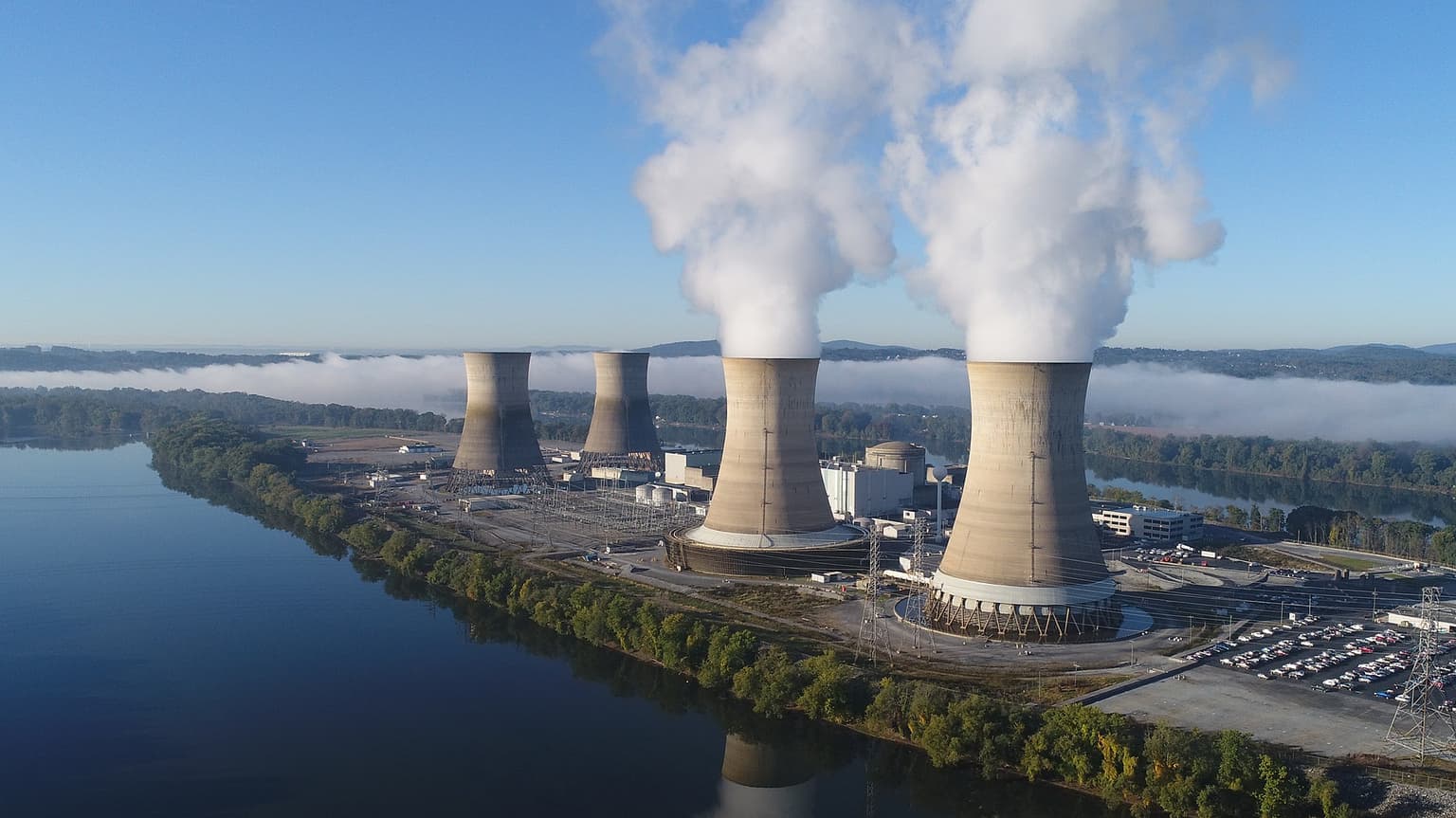
The US government will provide a loan to restart one of the units at a nuclear power plant in Pennsylvania, which is expected to help curb rising electricity prices in the region. The plant is due to start supplying power to Microsoft data centres as early as 2027. The project reflects growing electricity demand driven by the expansion of data centres.
The US Department of Energy will provide a loan of one billion dollars (approximately CZK 22 billion) to reduce energy costs and restart a nuclear power plant in Pennsylvania. Three Mile Island nuclear power plant is best known for the 1979 accident at Unit 2. Unit 1, however, was unaffected and continued operating until 2019. It was shut down then not for technical reasons, but because it was unprofitable.
Read the full article HERE.
8. ČEPS prepares to analyse coal plant closures, focusing on security of supply
ČEPS, the operator of the Czech electricity transmission system, is preparing analytical methods and processes to assess the potential impacts of coal-fired power plant closures in Czechia. In particular, it will assess the impact of closures on the security of electricity and heat supplies in the country. The analysis itself will begin only after it receives official notification that coal-fired power plants are to close. The company has not yet received such notification from energy group Sev.en. ČEPS spokesperson Lukáš Hrabal told the Czech News Agency (ČTK).
Sev.en, owned by businessman Pavel Tykač, announced today that it would shut down the Počerady and Chvaletice coal-fired power plants, as well as the power plant and heating plant in Kladno, in December 2026 or by March 2027 at the latest. "Sev.en has informed ČEPS about its economic assessment of the operation of these power plants and has not ruled out the possibility of closing them, but it has not officially notified us that operations will end," Hrabal said shortly after noon today.
Read the full article HERE.
9. HN: Tykač’s Sev.en group to close its coal-fired power plants in January 2027

Billionaire Pavel Tykač’s energy group Sev.en will close its Počerady and Chvaletice coal-fired power plants, as well as its plant in Kladno. They are expected to stop generating electricity in January 2027. The reasons are rising carbon allowance prices and the plants’ declining profitability. The Hospodářské noviny (HN) newspaper reported this today, citing three sources in the energy market. The company has not yet confirmed the news. According to news site iROZHLAS.cz, the group is still considering a possible closure and assessing the viability of continued operations.
Sev.en had previously signalled that it could soon end production at its coal-fired power plants. The reason is that coal-fired electricity and heat generation is expected to lose competitiveness in the coming years as carbon allowance prices rise.
Read the full article HERE.
10. Gas prices fall below 30 EUR for the first time in a year and a half as markets closely watch peace talks

Natural gas prices on European markets have fallen relatively rapidly and unexpectedly in recent days, despite freezing weather. The main reason is speculation about positive developments in talks between the US and Ukraine on a peace deal. Relatively favourable fundamentals, particularly the short-term weather outlook, have also helped prices fall. However, analysts say stronger demand in Asia could limit any further significant decline.
Although natural gas prices in Europe have fallen significantly over the past 2 years compared with the 2022 record highs, when they soared to hundreds of euros per megawatt-hour, they remain relatively high and are having a negative impact on local industry and household budgets. With the winter heating season and its peak demand approaching, the market is watching a range of factors that could have a major impact on prices.
Read the full article HERE.
Energostat: electricity generation in Czechia
Data in this chart is also available in 15-minute resolution60min15min
Energostat: electricity generation in Germany
Data in this chart is also available in 15-minute resolution60min15min
More up-to-date charts and data are available on Energostat
Translation disclaimer
This article is a machine translation of the Czech original and has not yet been fully reviewed. In case of any doubt, please refer to the Czech version.
Sdílejte článek prostřednictvím:
Topics:Energy Weekly
You might also like
26 October 2026, 19:59

26 October 2026, 14:24