20 October 2026, 12:55
Loading...
What will the collapse of Germany's coalition mean for climate and energy?

Zuzana Vrbová
11 November 2024, 14:06

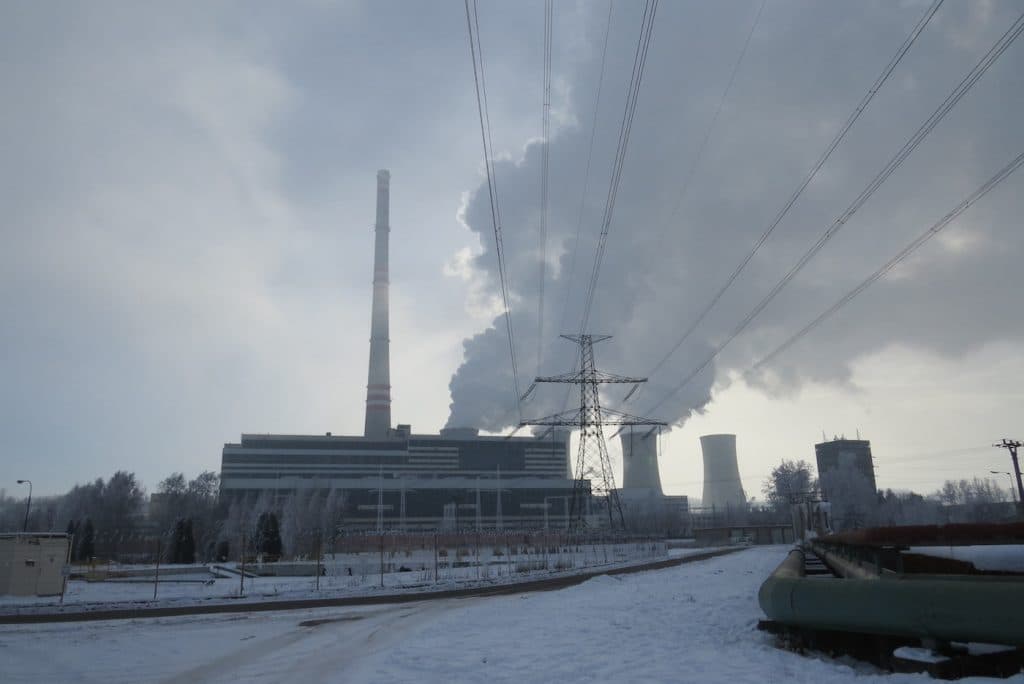
On the day Donald Trump won the US presidential election, the coalition government of German Chancellor Olaf Scholz unexpectedly broke up. This brought the coalition's internal struggle over economic recovery and Germany's ambitious plans to transform its energy sector to a head.
As reported by Clean Energy Wire, the coalition crisis forced Chancellor Scholz to dismiss Finance Minister Christian Lindner. This followed intensive negotiations between the three coalition parties. The coalition collapsed amid disagreements over Germany's 2025 budget. Germany faces major economic and energy challenges, and the federal budget for 2025 was left unresolved after the coalition broke up.
Failure to approve the budget could interrupt funding for some climate and energy programmes until new elections, which are expected next year. Scholz has called for a confidence vote in January 2025; support from the FDP appears unlikely. Early elections would most likely then be held in March.
The current political uncertainty in Germany puts several climate and energy initiatives at risk. Key plans awaiting parliamentary approval include a law to support the construction of hydrogen-ready gas-fired power plants.
Electricity market reform, which aims to stabilise supplies, encourage the use of renewable energy sources and increase flexibility, also remains stalled. The future of the carbon capture and storage strategy, which is crucial to meeting climate targets, is also uncertain.
Other initiatives whose implementation now risks being delayed include a climate change adaptation strategy, a framework for the production and use of biomass, a support package for the automotive industry and electric mobility, and funding for rail infrastructure.
The collapse of Germany's coalition adds to concerns about the global stability of climate policy, sparked primarily by Trump's re-election. Economy Minister Habeck, however, has affirmed Germany's participation in and support for key international forums, including the ongoing COP talks, as well as the G7 and G20.
European Parliament President Metsola stressed Germany's importance to EU stability, but said that international climate talks should be disrupted as little as possible.
Translation disclaimer
This article is a machine translation of the Czech original and has not yet been fully reviewed. In case of any doubt, please refer to the Czech version.
Sdílejte článek prostřednictvím:
You might also like
20 October 2026, 10:49
20 October 2026, 06:13
19 October 2026, 13:15