
10 September 2026, 15:21
Loading...
A record one-tenth of global electricity came from wind and solar in the first half of the year
Daniel Galis
17 August 2020, 11:53
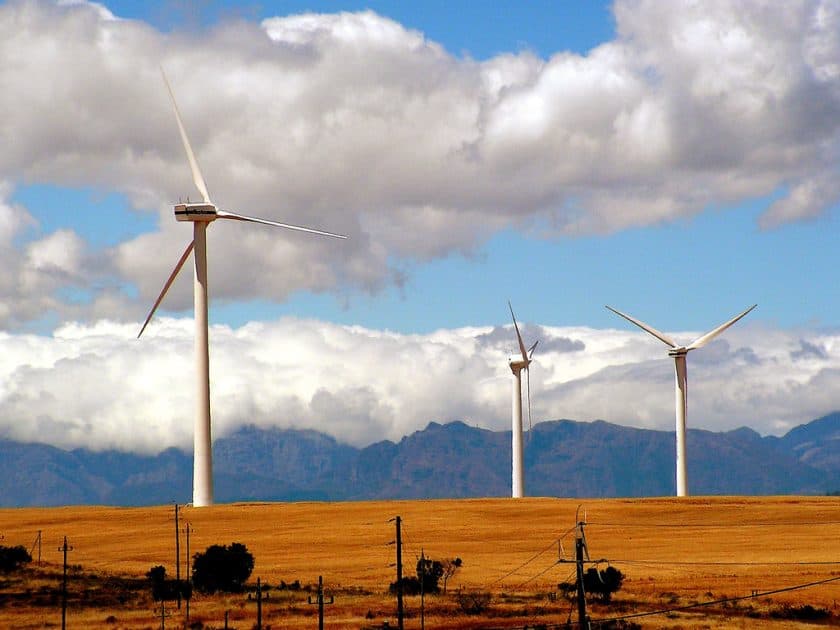
Electricity generation from wind and solar reached a 9.8% share in the first half of the year, rising 14% year on year. Coal-fired generation, by contrast, fell by 8.3%. However, the trend was largely driven by a decline in electricity demand as a result of the coronavirus crisis. In view of meeting the commitments of the Paris Climate Agreement, these changes are therefore still far from sufficient.
More than 1100 TWh of electricity was generated globally from wind and solar in the first half of 2020. Output thus rose 14% year on year, reaching a 9.8% share of global electricity generation. For the first time, wind and solar matched nuclear power's share, according to a study of global electricity generation in the first half of 2020 prepared by environmental think tank Ember. It processed available data from 48 countries, representing 83% of global electricity generation.
Coal-fired electricity generation, on the other hand, fell by 8.3%. The main reason was not the growth of renewable energy sources, but a 3% decline in global electricity demand. For the first time in history, coal power plants were utilised at less than half of their generating capacity. The European Union was the main driver of the decline, but it was also noticeable in China, which accounts for 54% of global coal-fired electricity generation.
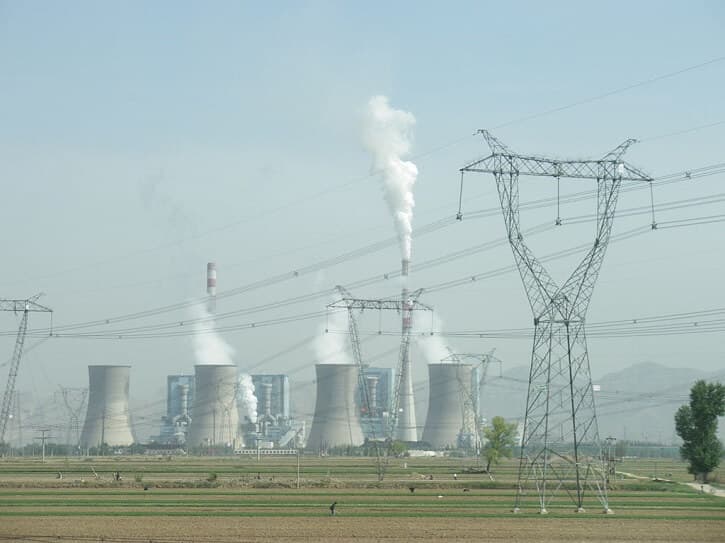
Changes in the energy mix are still insufficient
Since 2015, when the Paris Climate Agreement was signed, the share of wind and solar in electricity generation has more than doubled. New capacity has primarily served to replace coal. However, change is still not happening quickly enough. According to analyses, coal-fired generation must fall by 79% by 2030, accounting for no more than 6% of the global energy mix.
“To preserve the chance of limiting climate change to 1.5 degrees, coal-fired generation must fall by 13% every year this decade. The fact that coal generation fell by only 8% even during a global pandemic shows how far we still are from this target,” Ember analyst Dave Jones comments on the data.
The share of wind and solar, by contrast, must reach at least 28%. This will be problematic, as annual additions of installed renewable capacity are not increasing rapidly. As a result of the coronavirus crisis, the IEA expects a decline this year instead.
Translation disclaimer
This article is a machine translation of the Czech original and has not yet been fully reviewed. In case of any doubt, please refer to the Czech version.
Sdílejte článek prostřednictvím:
You might also like
10 September 2026, 10:37

9 September 2026, 15:05
9 September 2026, 13:24