Anaerobic digestion in practice: Ireland shows the way to sustainable energy with biomethane
Irish gas company Gas Networks Ireland has joined forces with Stream BioEnergy. Together, they will build a new biomethane plant in County Cork, which will connect directly to the national gas grid. The investment of 80 million euros is the largest project of its kind in Ireland to date and symbolises a major shift towards a circular economy.
The project was officially announced at the all-island bioeconomy summit at Johnstown Estate in County Meath. According to Karen Doyle, head of business development at Gas Networks Ireland, biomethane plays a key role in the transition to low-carbon energy while also offering an effective solution for managing organic waste.
“Connecting facilities like these to the national gas grid shows how existing infrastructure can support our climate goals, energy security and circular economy ambitions,” Doyle stressed.
Energy from waste for 6,000 households
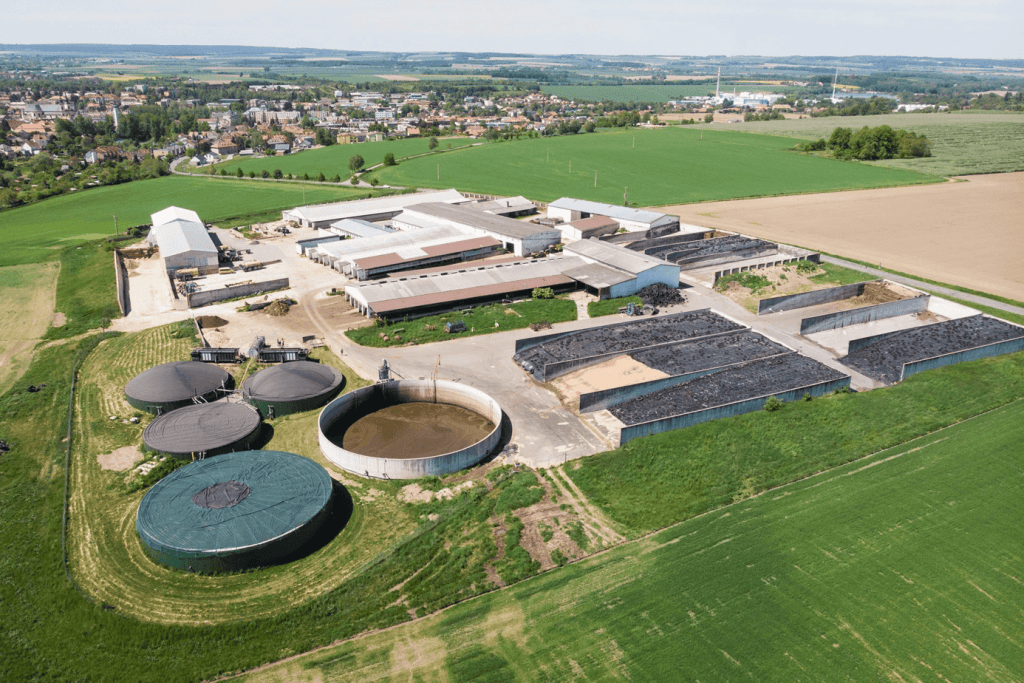
The plant at Little Island is currently under construction and is expected to become operational in 2027. Using anaerobic digestion technology (controlled decomposition in the absence of air), it will process approximately 90,000 tonnes of food and garden waste from households and businesses each year.
The result will be annual production of 80 GWh of renewable biomethane. That is enough to reliably meet the annual heating needs of approximately six thousand Irish households.
A major step towards decarbonisation
The plant will also deliver significant environmental benefits. The project is expected to reduce greenhouse gas emissions by approximately 40,000 tonnes of CO₂ a year, equivalent to taking around 17,000 passenger cars off the road. The facility will also help reduce reliance on fossil fuels and industrial fertilisers, whose production places an enormous burden on the environment.
Stream BioEnergy Chief Operating Officer Morgan Burke described the project as a milestone for Ireland’s entire biomethane sector:
“Our new biomethane plant will ensure sustainable management of organic waste, strengthen the country’s energy security and make a meaningful contribution to achieving decarbonisation targets.”
The agreement is part of a broader environmental strategy. Over the past three years, Gas Networks Ireland has secured connection agreements for seven biomethane plants, with further projects at an advanced stage of negotiations. Ireland is clearly showing that it is systematically building a modern renewable gas ecosystem, making effective use of the infrastructure already at its disposal.
What is anaerobic digestion?
Behind this technical term is a completely natural process: the controlled decomposition of organic matter in the absence of air. Food waste breaks down in sealed tanks (known as digesters) at an optimal temperature, with the help of specialised bacteria. In the process, they produce methane-rich biogas. This is then purified to the quality of natural gas (biomethane) and fed into the pipeline.
An additional benefit is the digestate left over after this process—a 100% natural, nutrient-rich fertiliser that farmers can return to the soil instead of using chemical alternatives.
Translation disclaimer
This article is a machine translation of the Czech original and has not yet been fully reviewed. In case of any doubt, please refer to the Czech version.