E.ON has built a biomass power plant in Croatia

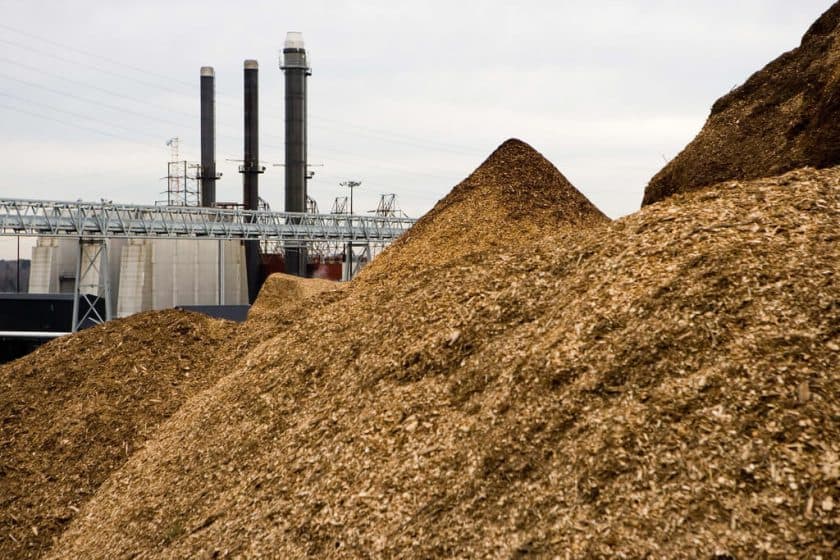
German company E.ON and Bauwerk Group Hrvatska, a parquet flooring manufacturer, have built a biomass cogeneration plant in the Croatian city of Đurđevac. After more than 18 months of intensive work, the €12 million project has reached mechanical completion. The facility is E.ON Group’s largest investment in Croatia to date.
Wood chips, a by-product of Bauwerk’s parquet production, will be used on site as fuel for the plant. Around 70 tonnes will be burned each day. The plant will have an electrical capacity of 1.1 MW and a thermal capacity of 6 MW. The project supports the concept of community energy, which is becoming increasingly widespread in Europe.
According to representatives of both companies, this approach ensures stability amid fluctuating energy prices and eliminates the need for additional energy sources. For seven years after commissioning, the plant will be operated under a power purchase agreement (PPA). This will ensure a return on investment.
Biomass plays a significant role in Croatia’s energy sector, particularly through the use of solid biofuels. According to a 2021 report by IEA Bioenergy, total bioenergy supply in Croatia reached 14.5 GJ per capita, above the median of 10.6 GJ per capita among the 24 IEA Bioenergy member countries. Solid biofuels accounted for 13.0 GJ per capita, placing Croatia among the leading countries in this category.
Across the wider Western Balkans region, biomass and hydropower are the main sources of renewable energy. According to a 2022 analysis, most renewable energy in these countries comes from hydropower and biomass, while the use of wind and solar power remains limited.
Construction of new biomass facilities is also expected in Czechia in the coming years. At the beginning of this year, the Ministry of Industry and Trade launched calls for proposals focused on transforming Czech district heating and combined heat and power generation.
Auctions and grant programmes are intended to help companies modernise existing plants and encourage them to make greater use of natural gas and renewable energy sources such as biomass. Funding amounts range from hundreds of millions of korunas, and most supported projects are expected to be completed between 2028 and 2030.
Translation disclaimer
This article is a machine translation of the Czech original and has not yet been fully reviewed. In case of any doubt, please refer to the Czech version.




