Energy’s great transformation – from phone booths to smartphones
The energy sector is set for a major transformation over the next decade. It will affect the management of generation and distribution, trading and the development of decentralised resources. “The scale of this change will be similar to the one we went through from telephone booths to smartphones,” Vladimír Hlavinka, CEO of Třebíč-based Tedom, said in an interview with Export.cz. The company exports gas-fired cogeneration units to more than 50 countries worldwide.
Vladimír Hlavinka is an energy industry veteran – among other roles, he served in the management of ČEZ, headed the Temelín Nuclear Power Plant and has management experience in the mining industry. He also lived in the Netherlands, where he observed the emergence of local software companies involved in flexibility management – balancing energy generation and consumption. At a time when consumers, too, are expected to adapt to the possibilities of generation and distribution, the era of smart grids is arriving – carrying not only energy but also data. This data, together with special pricing tariffs, creates incentives for consumers to think more about when and how they use energy.
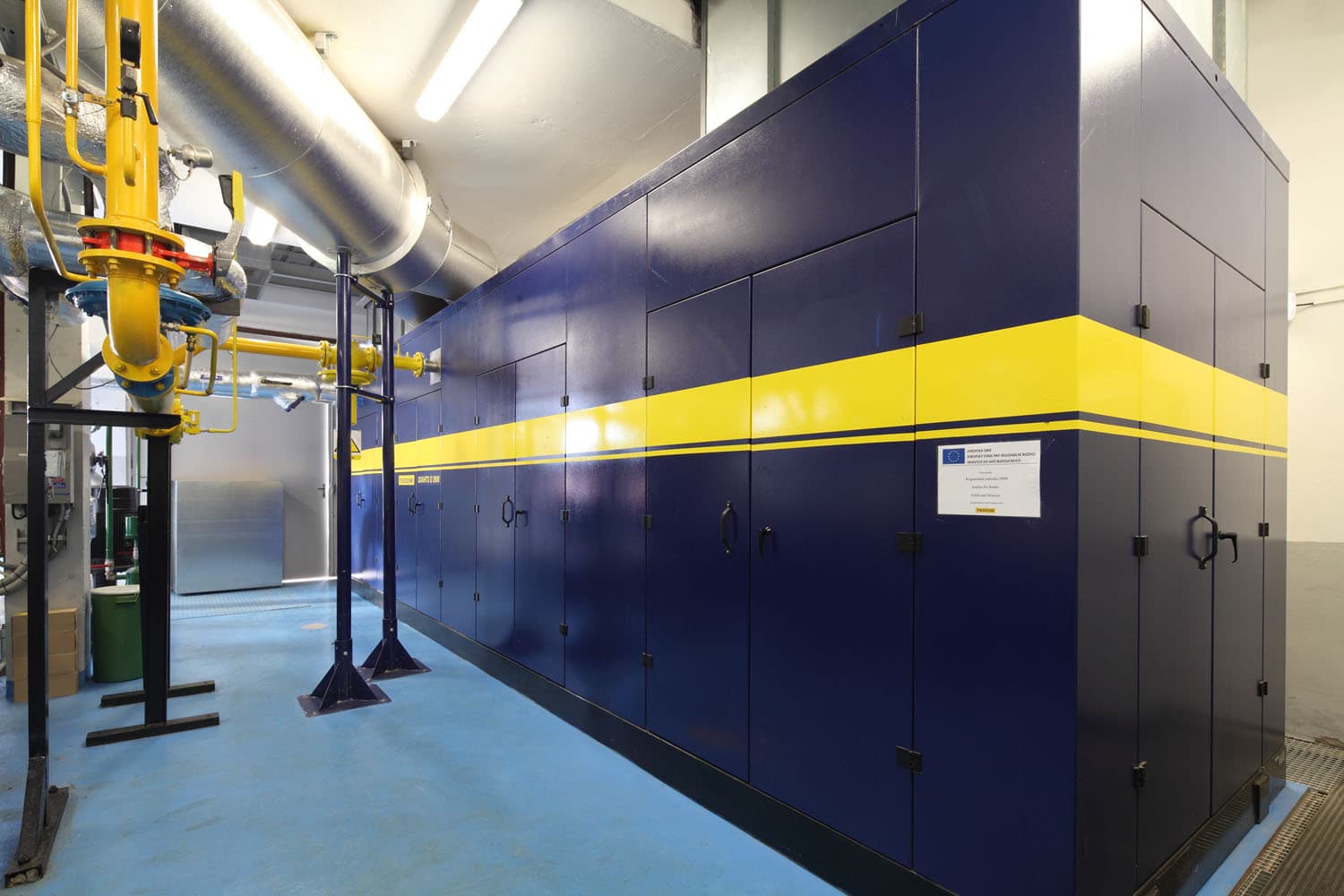
Tedom’s cogeneration units, which produce both electricity and heat, are part of decentralised energy systems and contribute to flexibility on the generation side. This is particularly important amid the rise of weather-dependent renewable sources. By linking cogeneration units with, for example, photovoltaics and heat pumps, a virtual power plant can be created that offers its services to the grid operator – and can adjust generation to its requirements.
From products to services
Tedom is also gradually transforming itself – from a company selling its products on foreign markets into a service provider. “We offer customers the option of operating their cogeneration unit for them and taking care of everything it entails,” Vladimír Hlavinka explains.
“This can also take the form of leasing our unit. At the same time, we are able to combine multiple resources into an aggregated block, a virtual power plant. We then manage it as a single whole that provides services for balancing the electricity system.”
According to Tedom’s chief executive, the customer can thus participate in a business model that brings additional economic benefits. If they want to connect their resource to a virtual power plant, all they need is an IP address and an internet connection. Tedom offers similar services in the Czech Republic, is developing them in Poland and is preparing to launch them in Germany as well. Since the beginning of 2023, the new subsidiary Tedom System Services has been pursuing this direction there.
Natural gas and biogas
Roughly half of the cogeneration units Tedom has installed around the world use natural gas, while the other half run on biogas, mine gas, landfill gas or gas from wastewater treatment plants. Vladimír Hlavinka expects gas to remain a transition fuel that will facilitate the shift to zero-emission energy. The disruption of Russian supply will not fundamentally change this: there is enough gas in the world, and Europe will resolve its local problem of importing it from other parts of the world relatively soon, believes the head of the Třebíč-based company.
Germany is a key market for Tedom’s biogas cogeneration units. The company has developed this technology thanks to its earlier acquisition of Schnell. “In Germany, government support is the key factor,” Vladimír Hlavinka says of the situation there. The Federal Republic has substantial wind power capacity, and biogas cogeneration plants are used, among other things, to generate electricity when the wind is weaker. The government has created incentives for farmers to increase installed capacity and make it available for grid balancing.
A solar perspective
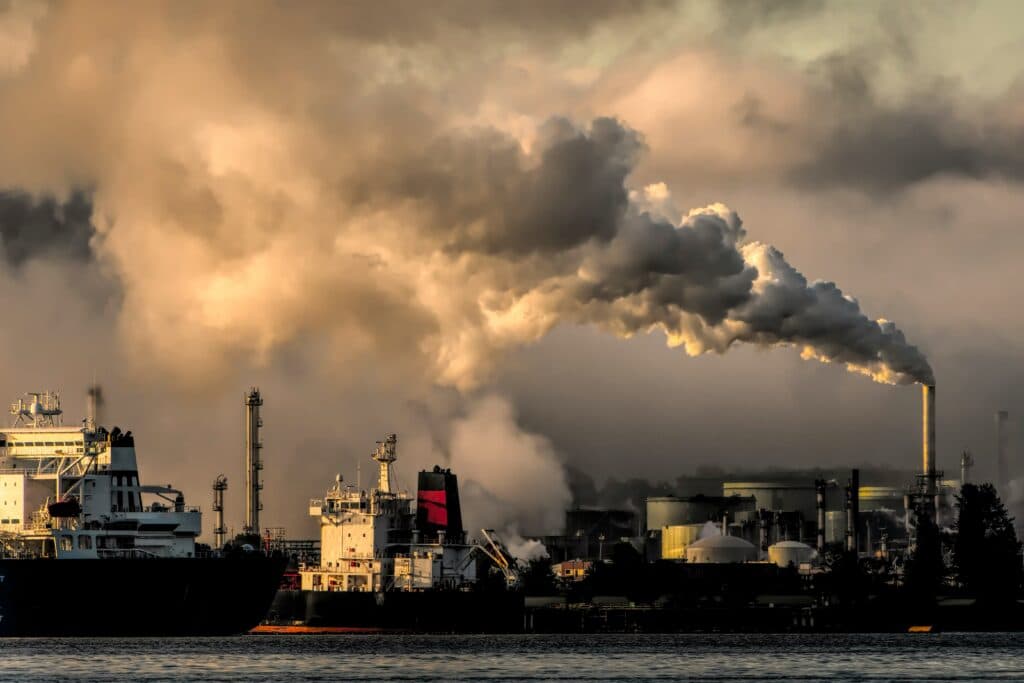
The efficient integration of natural gas into modern energy systems through combined heat and power generation, in symbiosis with other sources, is the best way to use this fossil fuel for gradual decarbonisation. Supporters of renewable energy understandably want this process to be as short as possible. “Given the war in Ukraine and energy prices, Europe and other parts of the world need to quickly rid themselves not only of dependence on Russian gas, but of fossil fuels in general,” stresses Jan Krčmář, executive director of the Czech Solar Association. In view of the need for decarbonisation, he says, all areas suitable for photovoltaics need to be used – from small to large.
The photovoltaic sector is also undergoing transformation. Jan Krčmář notes that an important current trend is so-called power purchase agreements (PPAs). Large industrial companies are concluding agreements with renewable energy investors from whom they buy generated electricity at a specified price. This makes it possible to build green power plants without subsidies, with demand driven by the market – specifically by the needs of companies with high energy consumption. Another significant trend, according to the Solar Association chief, is agrivoltaics, which will play an important role in decarbonising agriculture.
Jan Krčmář is convinced that Czech companies can also succeed in foreign markets specifically in photovoltaics. “Czech companies have experience building solar power plants, large and small, and have been constructing them around the world for more than ten years. If we manage to get the construction of new renewable sources moving and unblock it at home, we could gain experience with PPAs as an industrial country. Alternatively, if agrivoltaics is legalised, Czech companies could be among the first to build it on a large scale here as well.” The head of the Solar Association adds that domestic companies are building solar power plants in various corners of the world – from Poland and India to Australia. “The fact alone that they have built hundreds of megawatts even on the other side of the globe is certainly a great achievement,” he adds.
Czech panels?
The question remains how the solar industry will cope with its strong dependence on supplies of raw materials and individual components from China. Jan Krčmář acknowledges this as well: “Our experience with Russian gas shows that it is not good to rely on a regime that is not subject to any democratic control. We must not allow the same thing to happen with China. The production of panels and other components is now almost exclusively in China, and it will be important to move it to Europe.” Alongside this realistic assessment, the head of the Solar Association offers a surprisingly optimistic outlook. Czech companies also want to build panel manufacturing plants, he says, and if they succeed, panels from the Czech Republic could be supplied to power plants across Europe and beyond.
For now, Czech solar power plant builders working abroad must do without domestic components. In this respect, the reality may even be worse than earlier expectations. Greenbuddies co-owner Aleš Spáčil thought that Czechs might supply mounting systems for photovoltaic installations, but no local company took up the challenge. As Aleš Spáčil said in an interview with Export.cz, Greenbuddies therefore remains focused on exporting services – the final solution, know-how and, to a certain extent, the labour of Czech workers.
The heart of wind turbines
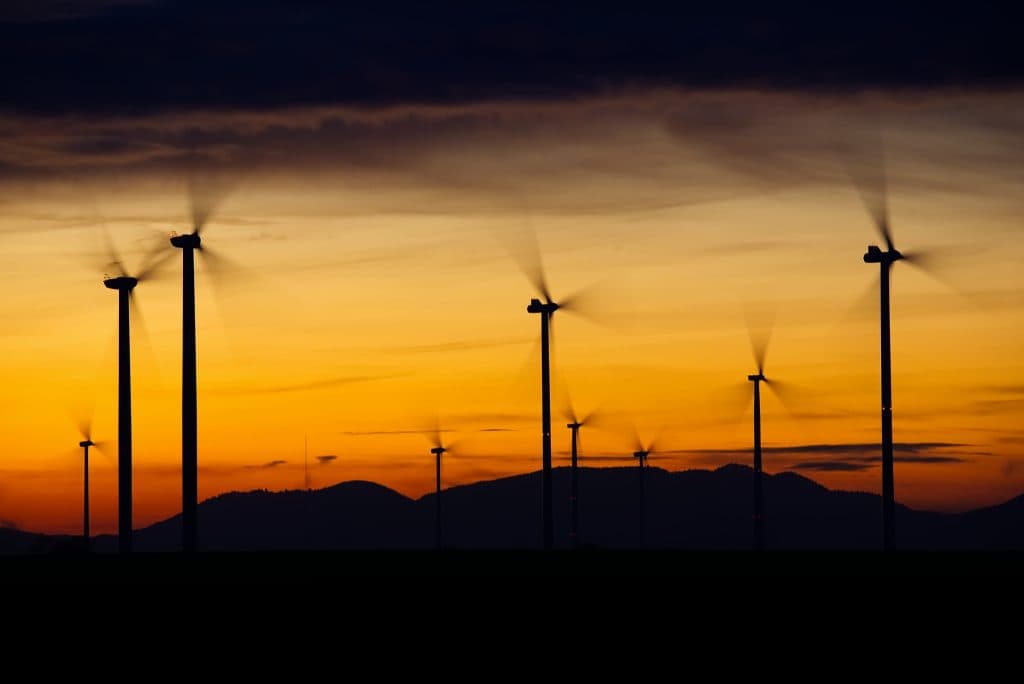
While Czech photovoltaic suppliers are succeeding with final solutions without domestic components, the opposite is true in wind power. Ideas that Czech companies could supply entire wind turbines proved unrealistic in the past. However, Czech company Wikov joined the world’s leading suppliers of a key, technologically demanding component for wind power plants some time ago – the gearbox, which company founder Martin Wichterle describes as the “heart” of any machine. The production of gearboxes, which are also used in other energy sectors, is an example of how Czech engineering and research traditions can be combined with modern development. But the Czech “wind turbine story” also offers a lesson: demand on the global market can be unpredictable. A company like Wikov must also be highly flexible.
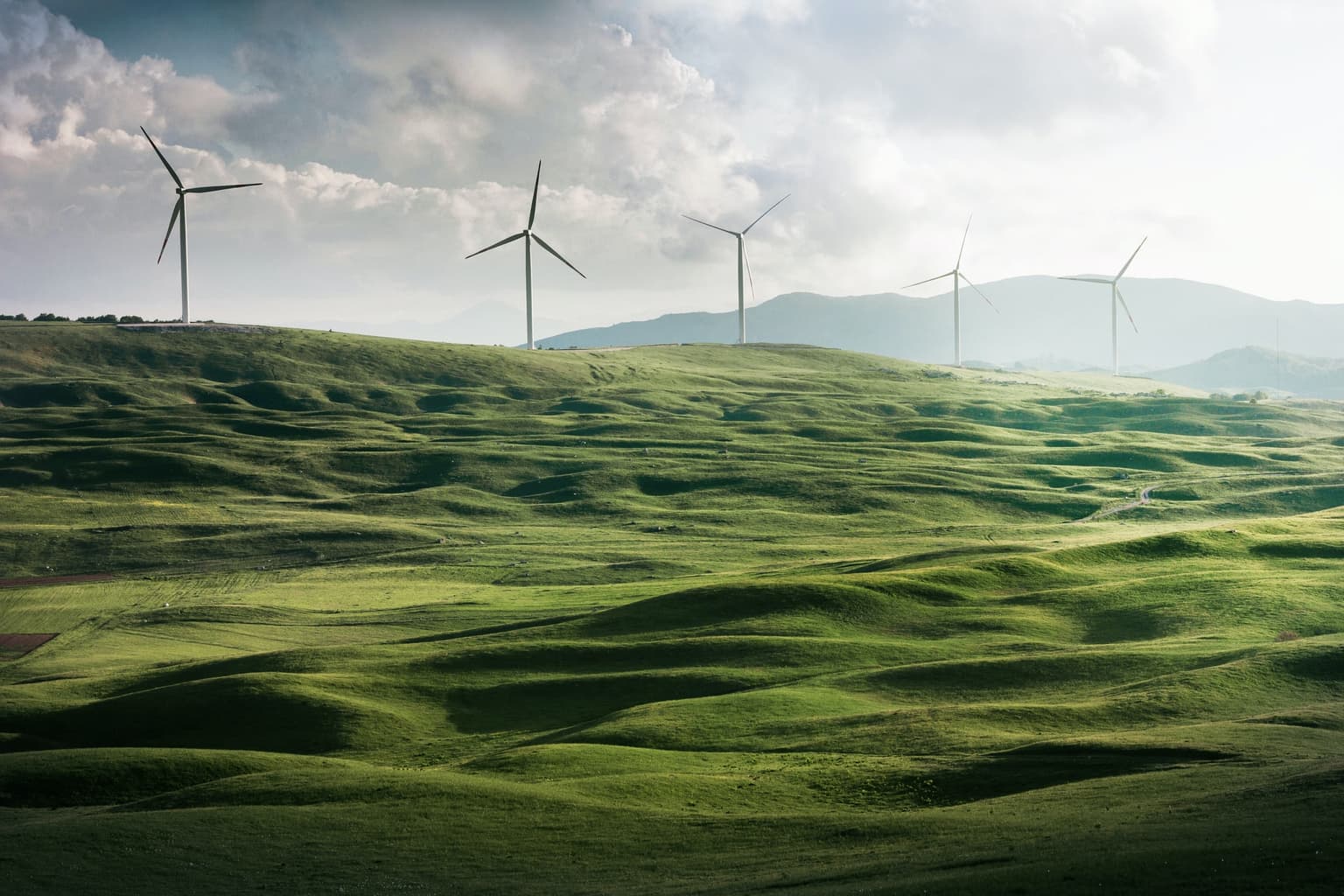
Around fifteen years ago, Wikov considered how it could use its exceptional position among the world’s top manufacturers of industrial gearboxes to supply entire wind power plants. In one of his earlier interviews with Export.cz, Martin Wichterle explained why the effects of the economic crisis at the time prevented such plans from being realised. After 2009, there was a strong consolidation among manufacturers. Wind farms are supplied as large-scale packages, with the volume of such contracts running into billions of euros. They require enormous financial backing – not only a company’s own, but also bank financing. “These are projects beyond the capabilities of any company in the Czech Republic. Even the managers of giants such as Siemens and Vestas do not sleep easily over projects of this size,” Wikov’s founder said at the time.
Martin Wichterle now describes further developments that have in effect also restricted the market for wind turbine gearbox manufacturers themselves. According to him, only three major wind power plant builders essentially remain worldwide, and they either make their own gearboxes or contract their preferred suppliers, which have huge manufacturing capacities at their disposal. It therefore pays Wikov to focus more on other segments, which are not far removed from wind turbines. “We export gearboxes for offshore platforms that are used to build wind power plants,” the Czech entrepreneur added. Hydrogen is now a huge hit for his company, and it apparently has a great future in global energy. Wikov’s high-speed gearboxes are used for various turbines and compressors and serve to compress gases. Compression is precisely the most promising form of hydrogen storage.
Nuclear and hydro
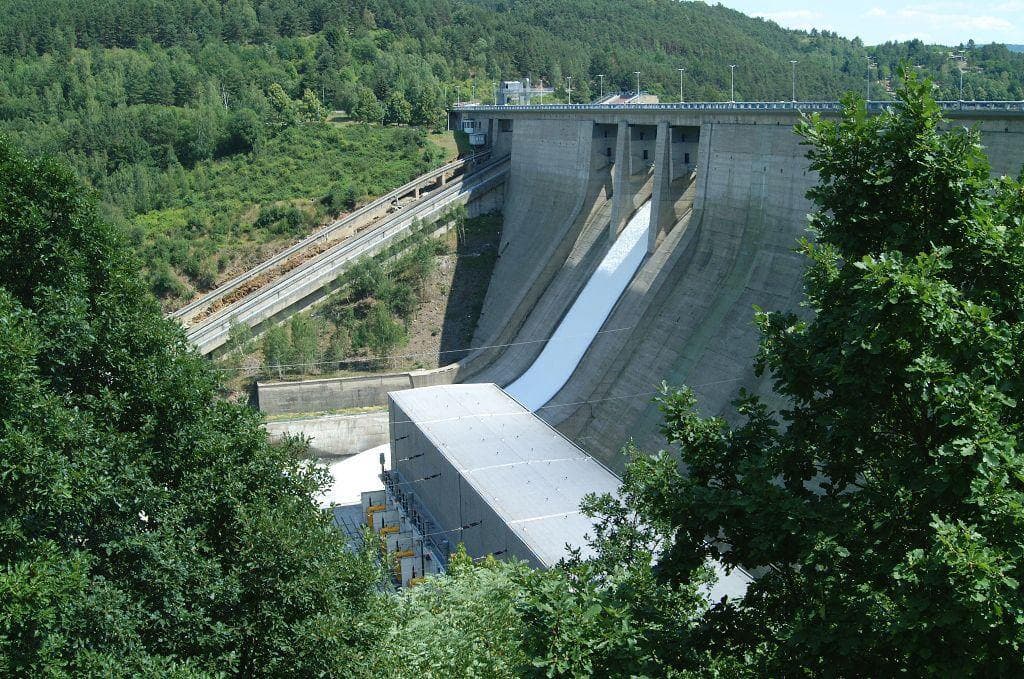
Czech engineering firms can draw on their know-how in a number of other sectors as well, including nuclear and hydropower. They have experience not only in building new facilities, but also in operating and maintaining existing ones. The Energo-Pro group, which includes Litostroj Engineering in Blansko, has for example become a leading supplier to Austrian hydropower plants (more in the latest issue of MED magazine).
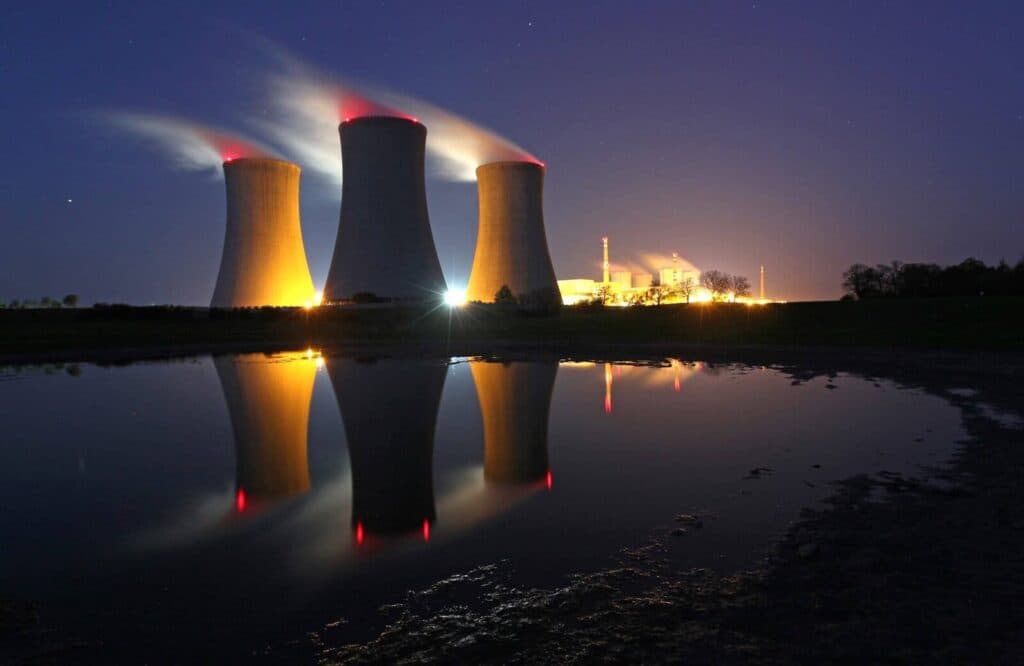
Following Putin’s aggression against Ukraine, conviction is growing in many countries around the world that a promising era ultimately awaits both large and small nuclear reactors, which can become one of the longer-term alternatives to Russian commodities and replace fossil sources. Tedom is a pioneer of decentralised energy, yet its chief executive Vladimír Hlavinka warns against an overly simplistic view. Both large and small power plants have their place in the market. Closing large power plants on the basis of political decisions, regardless of the physical capabilities of generation, transmission and consumption, will sooner or later have negative consequences somewhere.
“If you have strong industry in a particular region, its energy demand is best served by a large rotating machine that maintains frequency and ensures stable supplies. You cannot replace such a power plant with decentralised resources. A region dominated by services and light industry can be supplied by decentralised energy,” Vladimír Hlavinka specifies.
A further opportunity has now opened up for Czech industrial exporters in a neighbouring country. Poland is planning to build nuclear reactors, with US and South Korean companies set to be the main suppliers. They are also seeking similar contracts at Dukovany and Temelín and are looking for Czech subcontractors.
The article was originally published on the website of the Czech Ministry of Foreign Affairs’ Modern Economic Diplomacy platform – export.cz.
Translation disclaimer
This article is a machine translation of the Czech original and has not yet been fully reviewed. In case of any doubt, please refer to the Czech version.