From sunshine to landfill? Panel recycling will be a key challenge in coming decades
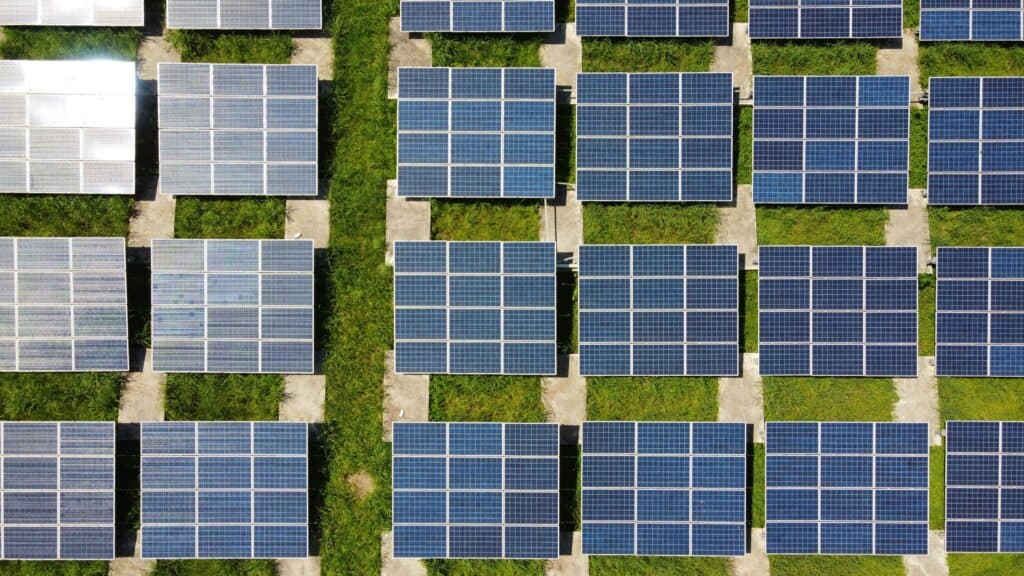
Solar PV now accounts for almost half of globally installed renewable energy capacity, and its expansion is continuing at a rapid pace. More than 90% of current global solar capacity has been installed in the past ten years. Most of today’s panels are therefore still awaiting the end of their technical lifetime. IRENA expects panels to last around 25 to 30 years, but also anticipates their earlier replacement with more efficient technologies. The volume of solar PV waste will therefore rise significantly in the coming decades.
According to IRENA’s scenario consistent with a 1.5°C pathway, the cumulative volume of end-of-life solar panels worldwide by 2050 will exceed 200 million tonnes. Annual waste volumes are expected to surpass 25 million tonnes in the same year.
End-of-life solar panels are expected to account for up to 21% of e-waste in 2050. This represents an increase of 20 percentage points compared with 2030, when solar panels are expected to account for around 1% of e-waste. The European Union is expected to account for approximately 12% of the total cumulative volume. Within the EU itself, annual volumes of end-of-life panels are set to exceed one million tonnes around 2040 and rise to more than 2.2 million tonnes by 2050.
Europe has a head start, but capacity is insufficient
The EU is among the few regions with systematic data on the management of end-of-life panels. Solar panels have been covered by the WEEE regime for waste electrical and electronic equipment since 2012. In 2023, member states reported collecting 58,474 tonnes of end-of-life panels, roughly three times the 2019 figure. More than 84% of this volume was recycled or prepared for reuse.
The capacity of specialised European facilities stood at approximately 170,000 tonnes per year in 2024. IRENA estimates that around 40 medium-sized facilities will be needed over the next decade.
Most materials can be recovered from panels
Recycling combines mechanical, chemical and thermal processes. According to IRENA, technologies available in Europe and China can recover up to 100% by weight of separated cables, 99% of aluminium, 98% of glass, more than 96% of silicon and copper, and approximately 93% of silver. The technical potential is even higher, but its use is limited by the economics of recycling.
Recycling is not only a waste issue, but also a raw materials issue. IRENA estimates that the value of materials recovered annually from solar panels could exceed $20 billion by 2050. Aluminium is expected to account for almost half of this value, with silver contributing a further 33%.
Regulation should address the issue at the design stage
European policy is therefore not focused solely on waste itself. The Ecodesign for Sustainable Products Regulation, which entered into force in July 2024, promotes longer lifetimes, repairability, recyclability and the availability of product information. It also introduces the concept of a digital product passport, intended to improve the traceability of products, their components and materials.
Economics remains a challenge, however. A study cited by IRENA states that exports of end-of-life panels may account for as much as 90% in some countries. The main reason is high recycling costs, which range from approximately €100 to €200 per tonne. Europe therefore has a regulatory head start, but its true preparedness will only be tested by the sharp increase in end-of-life panel volumes in the 2040s and 2050s.
Translation disclaimer
This article is a machine translation of the Czech original and has not yet been fully reviewed. In case of any doubt, please refer to the Czech version.