11 November 2026, 13:45
Loading...
Germany's path to green energy: history and new support in the new millennium

Eduard Majling
5 October 2023, 11:51
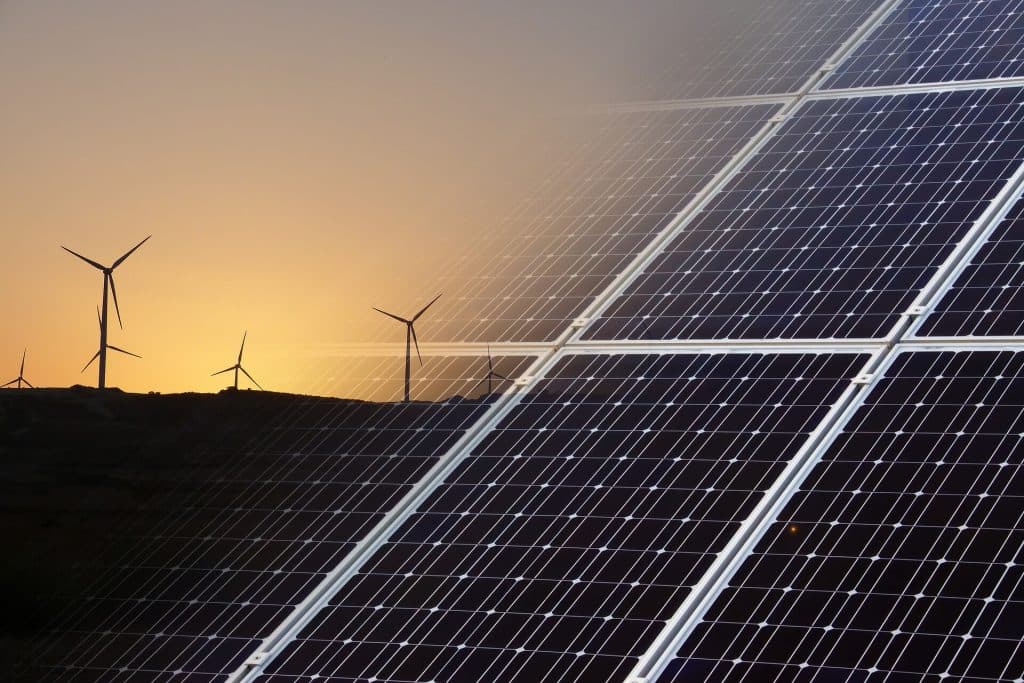
Germany has long positioned itself as a leader in Europe in the development and use of renewable energy sources (RES), particularly wind and solar power. German Economy Minister Robert Habeck recently said that the country is likely to generate more than half of its electricity from RES this year. This series looks at Germany's journey towards renewable electricity generation so far. The first instalment focuses on the period before auctions were introduced; they are now the country's primary support mechanism for these sources.
The shift towards greater use of renewable energy has traditionally enjoyed strong support in Germany, historically linked also to anti-nuclear activism. Germany no longer generates any electricity from nuclear power plants, as its last three units were shut down this spring. Before the accident at Japan's Fukushima nuclear power plant, however, nuclear sources generated around a quarter of Germany's electricity.
Although RES development in Germany only gained significant momentum at the beginning of this millennium, the history of the Energiewende—the transformation of the country's energy sector—goes back several decades further, to the 20th century.
Translation disclaimer
This article is a machine translation of the Czech original and has not yet been fully reviewed. In case of any doubt, please refer to the Czech version.
The article continues for subscribers
Premium content
The rest of this article is available to premium subscribers only. Get access to all premium articles on oEnergetice.cz.
You have read only 14% of the article — unlock the remaining 86% with a premium subscription.
Best value: annual subscription
Monthly option 4 € / month
3.25 €/ month
You might also like
11 November 2026, 13:19

11 November 2026, 12:52
11 November 2026, 10:55
11 November 2026, 10:43