Japan wants to end support for large solar parks
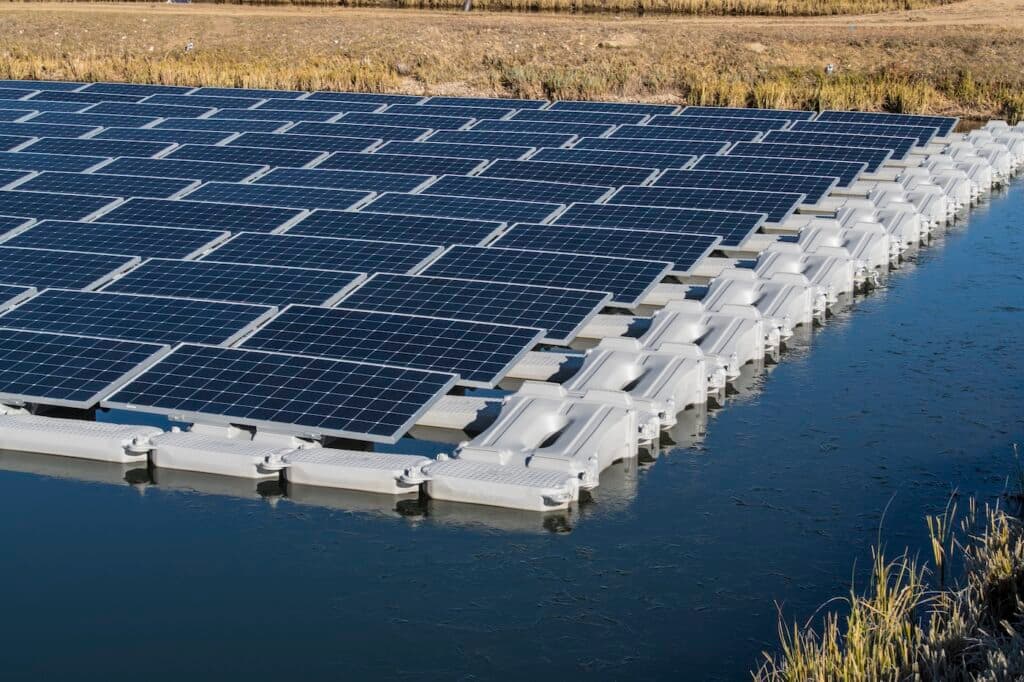
The Japanese government will tighten regulations and end financial support for large-scale solar projects to protect the natural environment, ensure safety and preserve the landscape. Japan’s Prime Minister Sanae Takaichi is among those calling for restrictions on large-scale solar projects.
Japan is considering ending support for large solar parks through feed-in tariff and feed-in premium schemes. These guarantee renewable energy producers either a fixed price for electricity over a set period or allow them to sell energy on the market while also receiving a premium on top of the market price.
Geopolitics and the environment
The move is part of a package of measures targeting mega solar projects, approved on Tuesday, and is in line with Prime Minister Sanae Takaichi’s position.
The prime minister’s main argument is that many panels are manufactured abroad, especially in China, and that mega-projects involving solar power plants could damage Japan’s landscape and natural environment. The change is expected to take effect in April 2027, according to Reuters, which reported the news.
Further measures
The government will also consider expanding the scope of environmental assessments. Solar projects of up to 30 megawatts are currently exempt from national assessments, but that could change.
Support for existing facilities and residential installations will continue, while support for the development of perovskite solar cells will be increased. This technology, developed in Japan, uses synthetic compounds with a perovskite crystal structure to efficiently convert solar energy into electricity.
However, there are concerns that the measures, combined with growing uncertainty around the development of offshore wind power projects due to rising costs and developers pulling out, could further slow the growth of renewable energy in Japan. For context, the country, which aims to achieve carbon neutrality by 2050, is the world’s fifth-largest emitter of carbon dioxide.
Details such as the precise project-size threshold for ending support will be specified later.
The discussions follow a series of disputes over mega solar projects near Kushiro Wetland National Park on the northern Japanese island of Hokkaido and in other areas. The government, led by the ministries of industry and the environment, began talks in September on strengthening regulations.
Translation disclaimer
This article is a machine translation of the Czech original and has not yet been fully reviewed. In case of any doubt, please refer to the Czech version.




