Modern Energy Union: Trump's energy policy is primarily a risk to the US

The energy policy of Republican US President Donald Trump poses a risk primarily to the United States itself. It could cause the country to fall behind in the use of modern zero-emission technologies and lose the momentum it sought to build in competing with China during Democrat Joe Biden's term in office. The situation across the Atlantic could present an opportunity for the European Union, as the cancellation of investments in zero-carbon energy production could prompt interest in carrying out these projects in Europe. Martin Sedlák, programme director of the Modern Energy Union, told the Czech News Agency (ČTK) today.
By signing an executive order, Trump formalised the United States' previously announced withdrawal from the UN's so-called Paris Agreement, which, among other things, commits its signatories to gradually reducing emissions and increasing renewable energy capacity. However, according to Sedlák, the suspension of green projects in the US may take longer to materialise, despite Trump's statements and actions. The renewable energy industry is an important part of the US economy.
„In the United States, the production and operation of renewable energy sources and other clean technologies provide jobs for nearly half a million people. In recent years, clean energy employment has grown at twice the rate of the overall US labour market. If Trump does not continue the Biden administration's support for decarbonisation, individual US states could take on at least part of this role,“ Sedlák said.
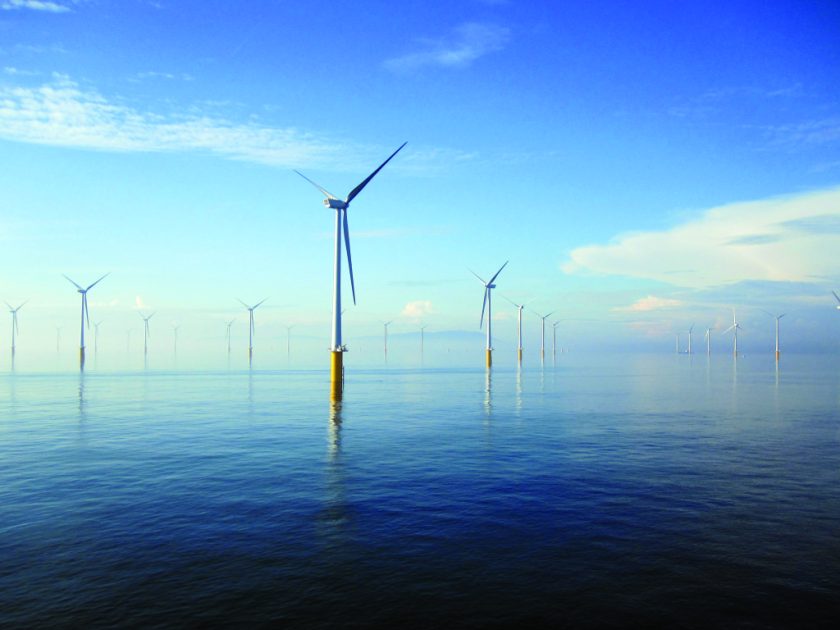
Texas, a Republican-led state, is among the leading states in US wind energy. Sedlák also noted that more coal-fired power plants were shut down in the first two years of Trump's first presidency than during Barack Obama's entire first term as president. „The US withdrawal from the Paris Agreement does not change the need to address the global problem of climate change and the pace of decarbonisation. The United States itself is grappling with the effects of climate change in the form of natural disasters,“ Sedlák added.
Trump formalised the US withdrawal from the UN Paris climate agreement by signing an order just hours after his inauguration. The agreement was concluded on 12 December 2015 and entered into force in November 2016. Critics, however, fault it for not setting firm, binding deadlines for reducing emissions. The treaty was signed by 196 countries, including the Czech Republic, and by October 2016 the target had been met for ratification by 55 countries, which together account for more than 55 per cent of the world's greenhouse gas emissions.
The agreement also called for tripling renewable energy capacity worldwide by 2030 and accelerating technologies such as carbon capture and storage, which can help clean up industrial sectors. After being re-elected US president, Trump last year called climate change a hoax and outlined an energy policy that would strongly support the fossil fuel industry. He promised to increase oil production and offer tax breaks to oil, gas and coal producers. He also said he wanted to scrap initiatives related to electric vehicles.
Translation disclaimer
This article is a machine translation of the Czech original and has not yet been fully reviewed. In case of any doubt, please refer to the Czech version.




