10 August 2026, 15:50
One of EU's largest wind farms is being built in Romania. Why not in Czechia?

Eduard Majling
16 September 2025, 14:00

This article is a machine translation of the Czech original and has not yet been fully reviewed. In case of any doubt, please refer to the Czech version.
Czech company Rezolv Energy is strengthening its position in renewable electricity generation in south-eastern Europe. With secured financing of €331 million, it will expand theVIFOR wind farm in Romania to a total installed capacity of 461 MW. This will make VIFOR one of the largest onshore wind farms in Europe.
The project, worth more than €800 million, will be capable of supplying electricity to more than 700,000 households once completed in 2027. We asked Rezolv Energy Managing Director Alastair Hammond about the project's progress.
Rezolv Energy recently announced that it had secured financing for the second phase of the VIFOR wind farm in Romania. The project will expand to a total installed capacity of 461 MW and will be one of the largest onshore wind farms in Europe. How significant is this milestone for your company?
In July, an agreement was concluded for additional project financing of up to €331 million to support the delivery of the second phase of the VIFOR project. Lenders from the first phase, under which debt financing of up to €291 million was secured, are also making a substantial contribution to the financing of this phase.
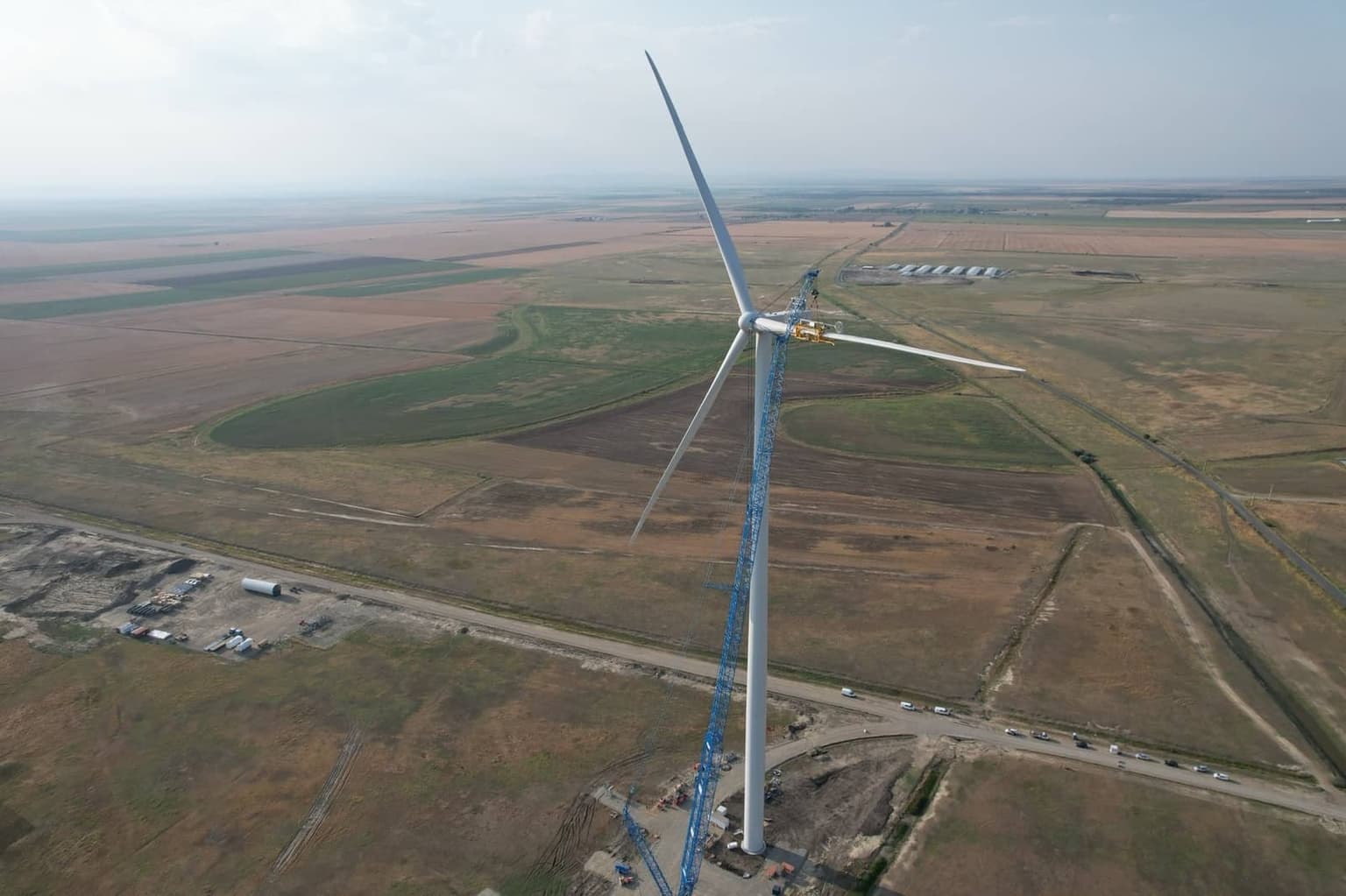
Construction of the VIFOR wind farm. Source: Rezolv Energy
The approval of the second financing package represented an important milestone. As the size of both packages shows, renewable energy projects of this scale are exceptionally capital-intensive. Total investment costs for both phases of the VIFOR project exceed €800 million.
This financing allows us to move seamlessly on from the first phase into the second, unlocking the VIFOR project's full potential. It is also a significant step for Romania, as the project will be capable of generating enough electricity for more than 700,000 households.
What stage is the VIFOR project currently at?
Construction of the first phase, with an installed capacity of 192 MW, is progressing successfully. The first 6.4 MW turbine, which is also the largest turbine in Romania, was recently installed. A total of 30 turbines will be commissioned in this phase, with start-up planned for spring 2026.
The second phase includes the installation of another 42 turbines. We have now selected the key partners involved in its delivery. The Austrian infrastructure group PORR has won the Balance of Plant (BOP) contract, covering civil and electrical works at high- and medium-voltage levels. Vestas will supply the turbines, using the same model as in the first phase. The third strategic partner is Ganz Transformers and Electric Rotating Machines Plc., which will supply the 400kV grid transformer required for connection to the transmission system.
Construction of the second phase is scheduled to begin at the end of this summer, with commissioning expected in summer 2027.
How complex was the preparation of the entire project? How long did the whole approval process for this power plant take?
We acquired the rights to develop the project in 2022, and construction began in June 2024. We will achieve full operation in 2027, meaning the entire process from start to finish will take five years, which is a relatively short timeframe for a wind farm of this size.
The VIFOR project received support under Romania's first contracts-for-difference (CfD) auction scheme. How do you generally view the importance of CfDs for the successful delivery of large projects?
Our bid for 240 MW of installed capacity from the VIFOR wind farm was successful in Romania's first CfD auction, and we have now also secured three CfDs in the second auction. These bids covered a total of 731.2 MW of installed capacity, including our Dama Solar PV project in western Romania and the Dunarea East wind farm in the south-east of the country, where we once again submitted the lowest bid in the wind energy category.
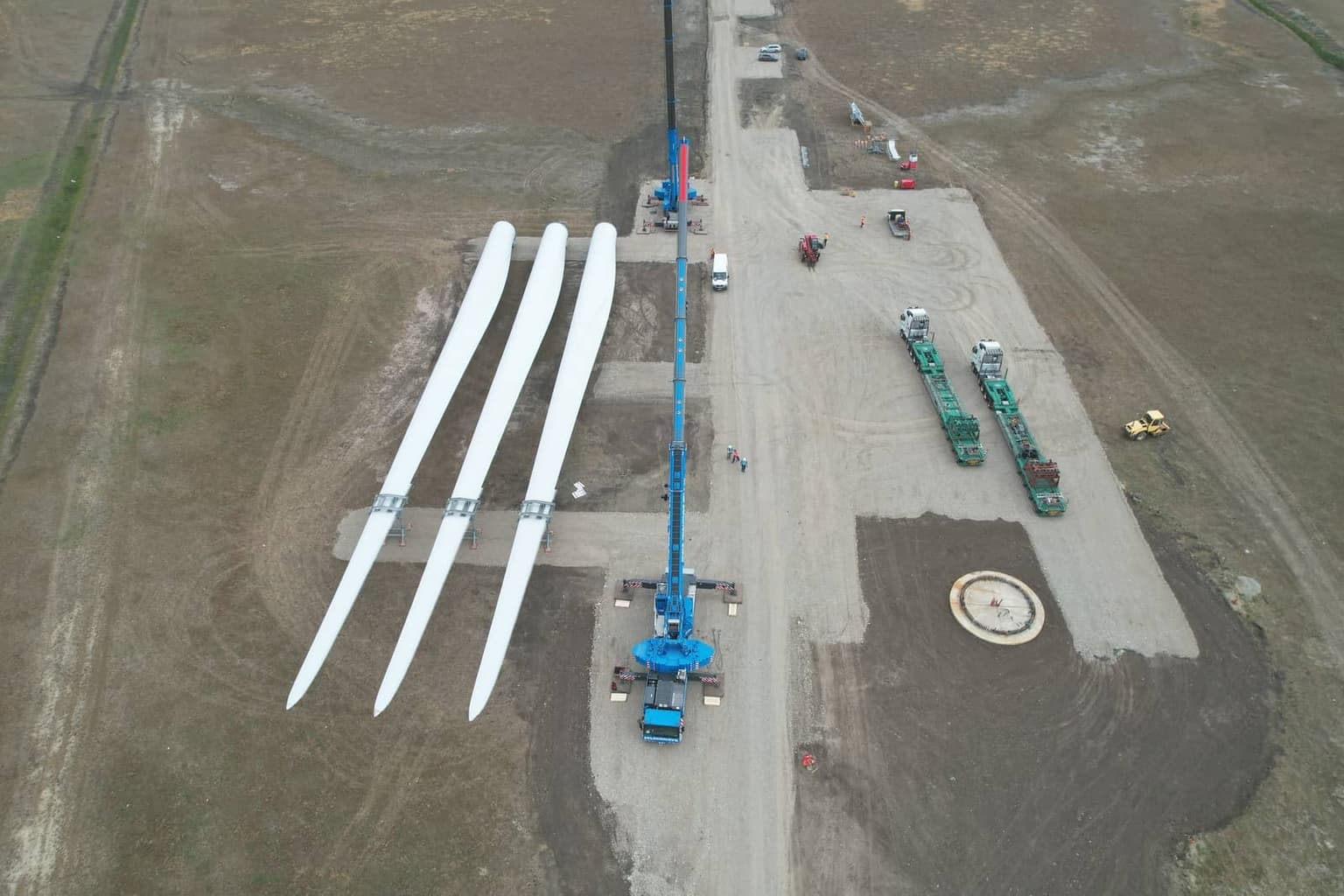
Construction of the VIFOR wind farm. Source: Rezolv Energy
The second auction enabled us to be more ambitious and bid for greater installed capacity, as the Romanian government set eligibility rules that make it easier to support large-scale projects such as Dama Solar and Dunarea East. This shows that the government understands the crucial role of large wind and solar projects in the energy transition—not only from an environmental perspective, but also an economic one.
Thanks to the CfDs, we can now move quickly into the construction phase of both projects, representing another significant milestone for Rezolv Energy. The introduction of a similar scheme in the Czech Republic would be highly beneficial, as it would enable the efficient delivery of large projects.
PPAs with corporate customers played a key role in the first phase of the project. How important are these arrangements to the financial structure of projects, and how much interest is there among corporations in the region in purchasing electricity through PPAs?
For the first phase of the VIFOR project, we signed five PPAs. Three were concluded with the Deutsche Telekom Group, specifically with T-Mobile Czech Republic, Slovak Telekom and CE Colo, which will jointly purchase 100 GWh of energy annually for 12 years. We signed further PPAs with Bekaert for 100 GWh annually for 10 years and with Italian energy company A2A for 150 GWh annually for seven years.
In addition to the Romanian contracts, we also concluded a PPA for our St. George solar project in Bulgaria—an agreement with Ardagh Glass Packaging-Europe for 110 GWh annually for 12 years.
Overall, these agreements represent the largest volume of renewable energy secured by any developer in south-eastern Europe. They were also essential to the financial structure of both the VIFOR and St. George projects.
As for corporate interest in purchasing electricity through PPAs, volumes are lower across Europe this year. However, this does not mean there has been a decline in interest; rather, it reflects caution amid the challenging economic conditions we are facing.
Rezolv Energy is a Czech company, but it is most active in Romania. How does the Romanian environment differ from the Czech one, and why is it so attractive for Rezolv Energy?
Rezolv Energy was established by investor Actis, a leading global player in sustainable infrastructure, with the aim of delivering very large-scale energy projects. So far, our opportunities have been concentrated in Romania and Bulgaria. Although VIFOR is our smaller project in Romania, once completed it will become the largest wind farm built in the country in the past decade and one of the largest onshore wind farms in Europe. Our largest project is Dama Solar, which will have capacity of more than 1 GW and will become Europe's largest solar power plant once operational.
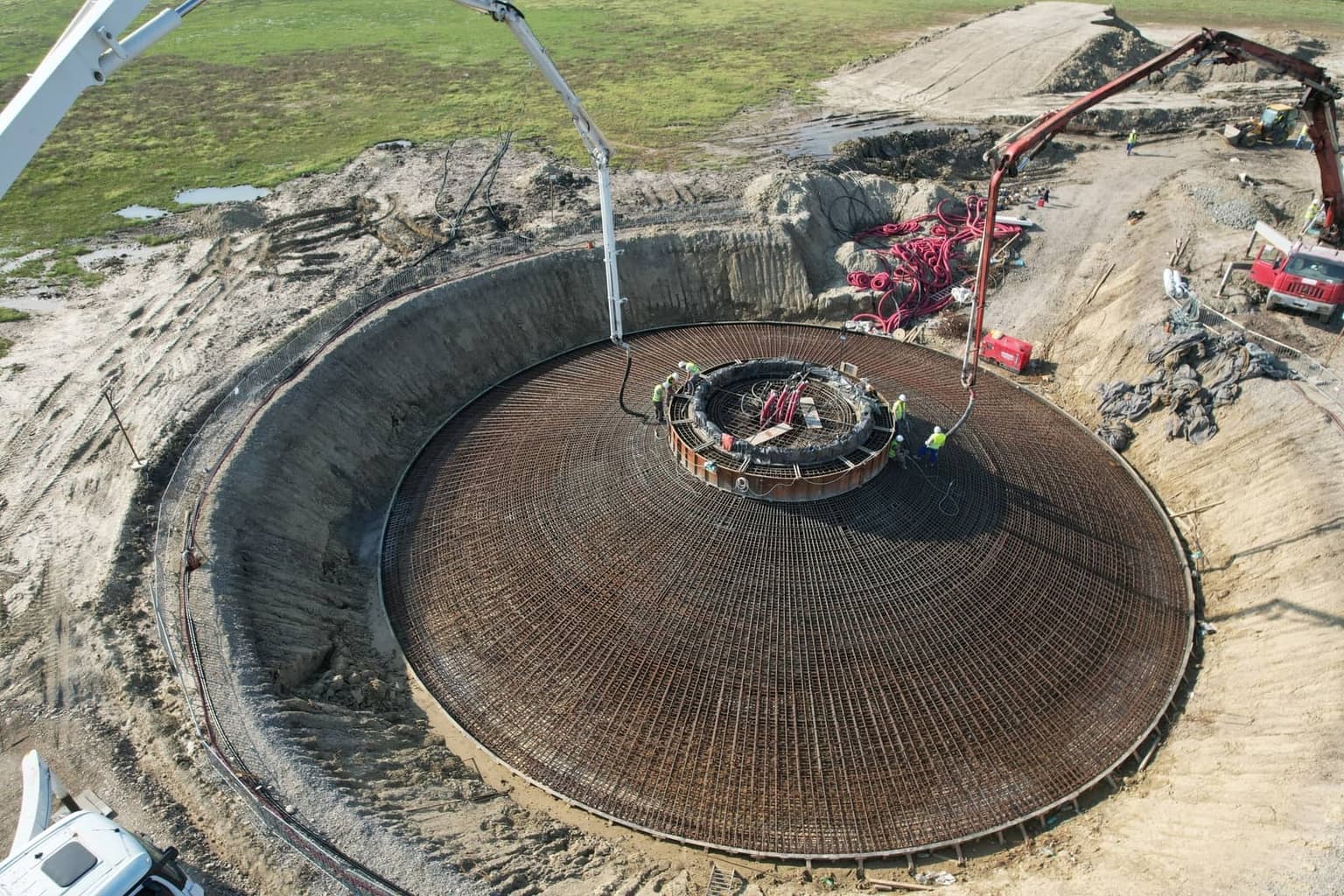
Construction of the VIFOR wind farm. Source: Rezolv Energy
It is no coincidence that these projects are being developed in Romania. The country offers enormous potential for wind and solar energy. For example, Constanța County, where our Dunarea East & West wind farms are being developed, has exceptional natural wind resources. In Buzău County, where VIFOR is being built, proximity to the Carpathians ensures high wind generation.
The availability of land is also a very important factor. Large-scale projects such as ours require large, flat sites, which we have been able to find in Romania.
The final key element is the willingness to develop renewable energy projects. In Romania, we have found this positive attitude at every level, from government institutions to local communities, which appreciate the economic benefits brought by renewable energy sources.
The Czech Republic currently has only around 400 MW of installed wind capacity, but new wind farms are expected to emerge after a long time. ČEZ, for example, has announced new projects in Ralsko. Does Rezolv Energy plan to draw on its experience from Romania and apply it in the Czech Republic as well? Do you have any projects planned in the Czech Republic?
We have experience in the Czech Republic, particularly through the construction and operation of the Horní Loděnice wind farm near Olomouc, which was the country's largest wind farm when it was built.
We currently have no Czech projects under construction, but if a suitable opportunity arose, we would certainly consider it. However, it would need to be a large-scale project, because our goal is to make a real impact and actively support the energy transition in central and south-eastern Europe.
According to the Czech Republic's National Energy and Climate Plan, the country should have a total of 1.5 GW of wind capacity by the end of 2030. Is this currently realistic in your view?
This will only be possible with large projects, whose development and construction require time, even in countries with a very favourable regulatory environment. As already mentioned, in the case of our VIFOR wind farm, the timeframe from acquiring development rights to commissioning the entire project will be five years.
Source: Rezolv Energy
There are approximately five years left from today until the end of 2030, so delivery is theoretically possible, but everything will need to happen very quickly, placing great emphasis on the efficiency and speed of approval processes.
In your projects, you emphasise not only performance but also ESG and community impact. How important is this social responsibility to your long-term strategy and investors?
Sustainability lies at the heart of Rezolv's business model, as it does at Actis. Our strategy in this area meets the highest ESG standards and goes beyond mere regulatory compliance.
From a commercial perspective, this strategy is crucial; for example, it has enabled us to secure financing from institutions such as the International Finance Corporation (IFC), the World Bank's private-sector arm, and the European Bank for Reconstruction and Development (EBRD). We also work closely with the IFC on joint sustainability initiatives and participate in its Just Transition Accelerator programme.
A strong sustainability strategy also benefits our PPA partners, who want to participate in projects that set new standards for renewable energy in the region.
Are you considering integrating other technologies in the future, such as battery storage?
Our goal is to integrate battery storage into all our projects. For example, the 225 MW St. George solar power plant, which we are building on a former airport in north-eastern Bulgaria, will include an energy storage system with a capacity of 90 MW / 240 MWh.
Sdílejte článek prostřednictvím:
You might also like


10 August 2026, 09:33
9 August 2026, 14:38