
24 September 2026, 11:23
Loading...
Disinformation is holding back wind power in Czechia more than elsewhere in Europe, analysis warns

oEnergetice.cz, ČTK
29 April 2026, 12:03
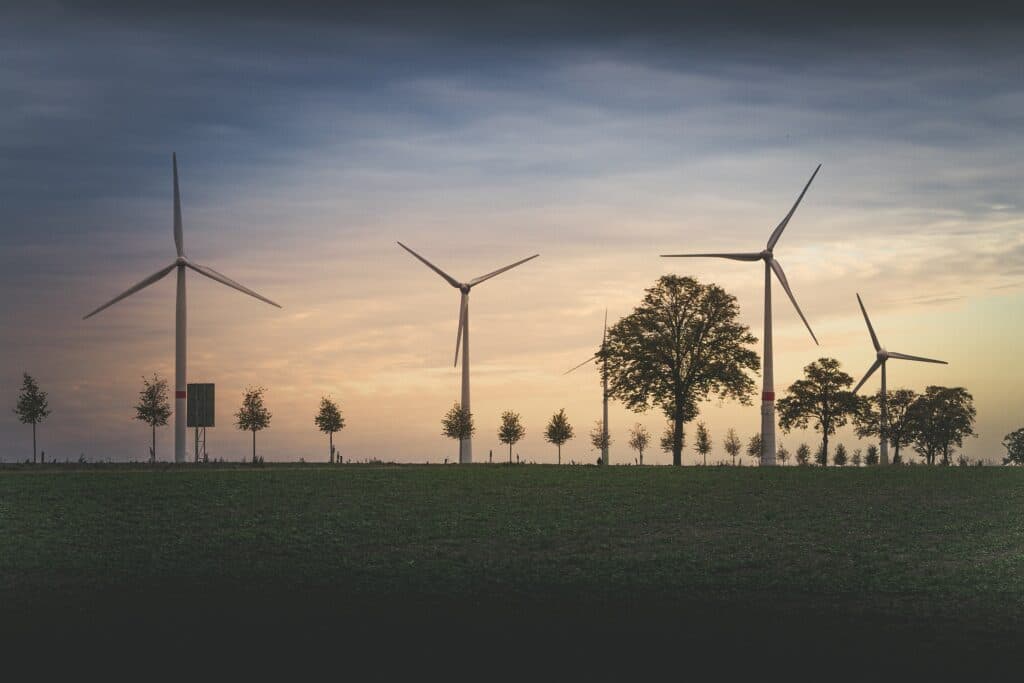
The spread of disinformation and falsehoods about wind energy is significantly hampering its further development, thereby making electricity more expensive, according to an analysis by the European association WindEurope, seen by the Czech News Agency (ČTK). While Czechia is not among the largest producers of such messages, their reach in the country is more pronounced compared with other European states. Politicians are the most effective at spreading disinformation, according to the analysis.
The analysis covered a total of 43,000 posts published on six major online platforms between May 2024 and February 2026. According to WindEurope, these posts generated around 6.3 million interactions and tens of millions of views. The posts mostly concern the alleged economic disadvantages, technological unreliability, or negative health and environmental impacts of wind energy.
According to the analysis, disinformation in practice contributes to delays or cancellations of wind projects worth billions of euros. The Czech Renewable Energy Association (Komora OZE) said the impacts are also apparent in Czechia. "While wind energy covers 20 percent of electricity consumption in Europe, in Czechia it currently accounts for around one percent. Concerns among some of the public about this technology are therefore understandable to a certain extent, as the state has long failed to explain or defend it systematically. The resulting space was then filled by distorted interpretations and disinformation," said the association's chairman, Štěpán Chalupa.
While the Czech Republic is not among the largest producers of this content, according to the analysis, its impact is more pronounced here compared with other countries. In practice, the association said, this is mainly reflected in the regions.
"Several individuals are gradually emerging in Czechia who actively seek out and travel to individual debates in the regions. Local residents are then often confronted with a one-sided interpretation of data that is not based on modern industry standards. Such an interpretation broadly damages the reputation of wind energy as well as the work of investors," said Michal Janeček, chairman of the Czech Wind Energy Association.
According to the analysis, politicians spread similar messages most effectively. Although they account for only two percent of the total number of messages, their reach is many times greater. Organised groups are behind 78 percent of online content, according to the analysis, while activists account for another 13 percent.
According to WindEurope statistics, Czechia is among the countries with the slowest development of wind energy in Europe. Last year, 19.1 GW of wind capacity was added across the continent, with the Czech Republic accounting for 0.07 percent of this total, or 13 MW.
The government is currently preparing changes to the system of acceleration zones. Acceleration zones are administratively designated areas in Czechia where permitting for renewable energy projects, particularly wind and solar power plants, is intended to be faster and simpler. However, the cabinet says the current setup is flawed and is raising concerns among municipalities about uncontrolled development. Government representatives will present the selection of areas for the zones in Prague on 15 May. The proposal currently includes 94 sites. Authorities ultimately removed 16 locations from the 110 previously designated.
Translation disclaimer
This article is a machine translation of the Czech original and has not yet been fully reviewed. In case of any doubt, please refer to the Czech version.
Sdílejte článek prostřednictvím:
You might also like

24 September 2026, 10:30
24 September 2026, 06:56
23 September 2026, 17:27