
17 October 2026, 13:09
Loading...
Germany launches wind measurements in remote areas of the North Sea

David Vobořil
23 February 2025, 08:25
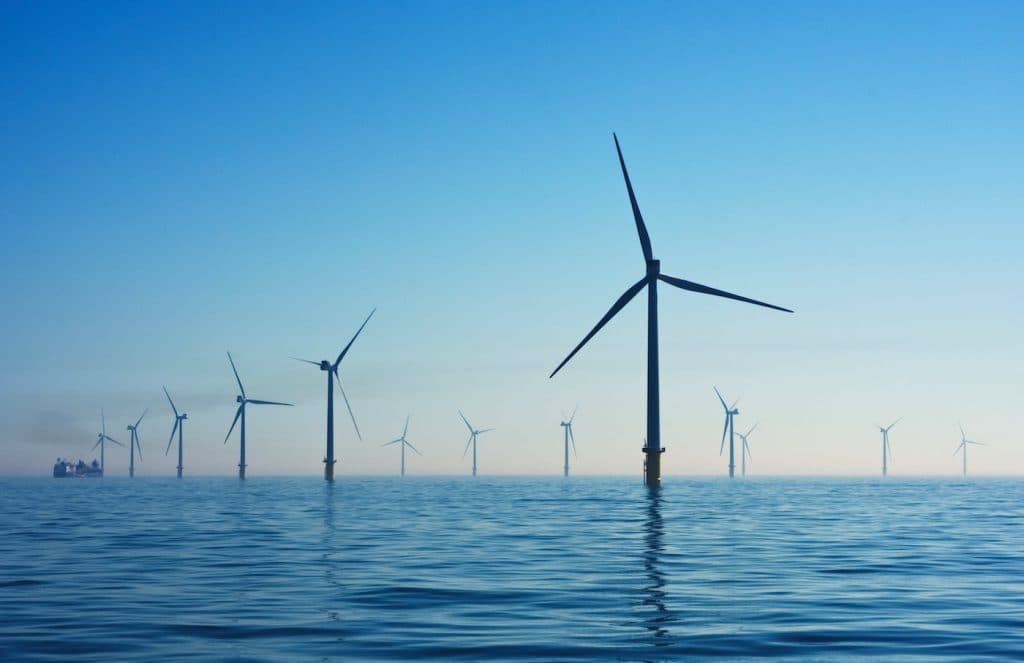
To meet its offshore wind power development targets, Germany needs to expand the areas available for construction into remote parts of the North Sea. To this end, it has launched a multi-year data collection campaign 280 kilometres off the coast.
Germany aims to reach 70 GW of installed offshore wind capacity by 2045. This target is even enshrined in the Offshore Wind Energy Act. However, achieving it will require building additional wind farms up to 350 kilometres off the German North Sea coast.
Data on wind and marine conditions are lacking in these offshore areas, even though they are essential for surveying sites planned for wind farms and planning new projects.
To obtain the necessary data, Germany has launched a project called “MeteOR” in cooperation with the German Meteorological Service (DWD) and private company Fugro Norway. Alongside two measurement buoys deployed in the area, two measurement systems have been anchored to the seabed.
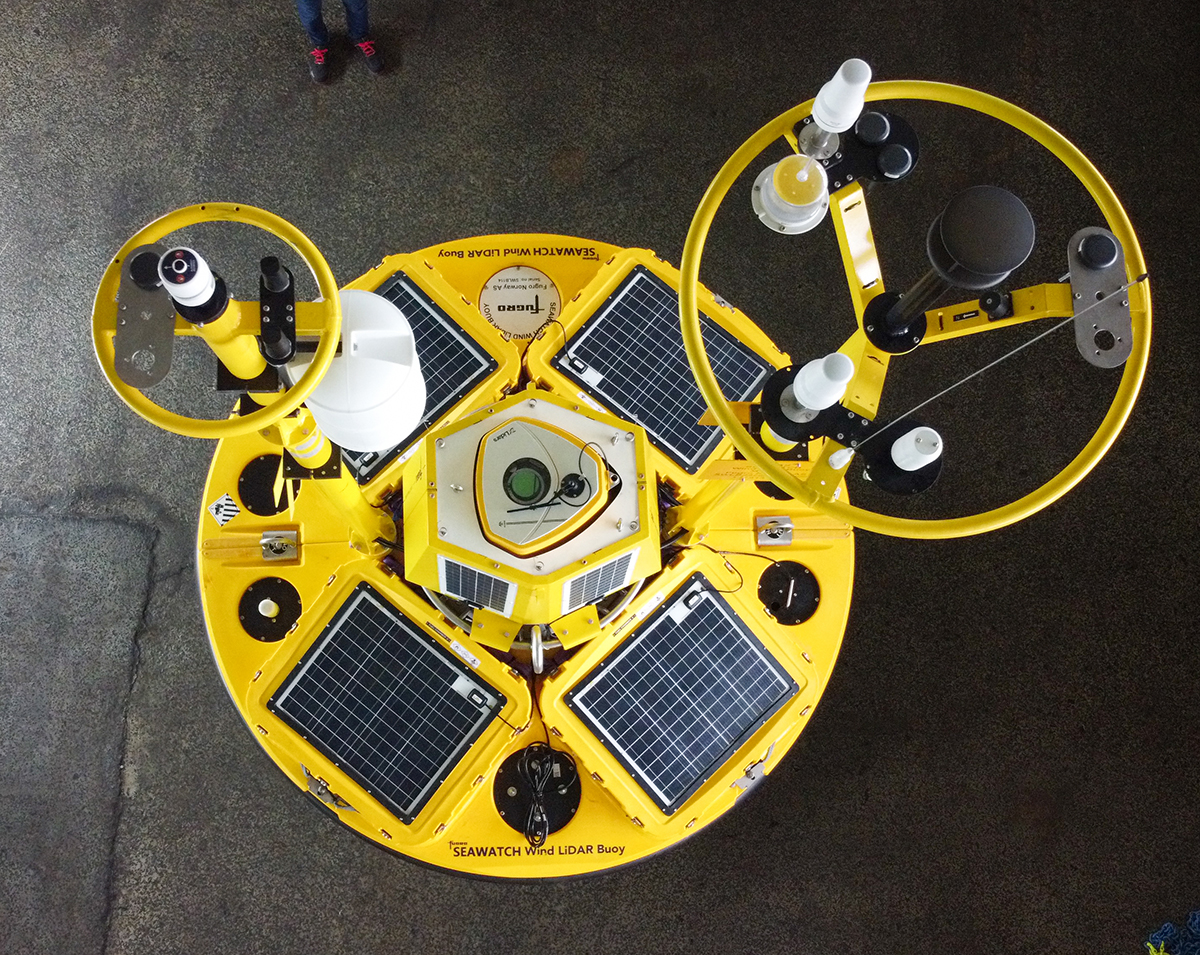
Fugro Norway's Seawatch buoy used for measurements. Source: DWD
For at least three years, the equipment will record oceanographic data such as waves, ocean currents, temperature, salinity, water pressure and oxygen content. Lasers installed on the buoys will also measure wind speeds up to 250 metres above sea level, the typical total height of offshore wind turbines.
Impressive readings were recorded during the first storms to hit the North Sea shortly after the systems were installed.
“Wind speeds of more than 90 kilometres per hour were measured at a height of 160 metres, and maximum wave heights reached 11 metres,” said Thomas Möller, head of the marine climate monitoring division at DWD.“This data is indispensable for assessing meteorological and oceanographic conditions during preliminary site surveys, and provides vital information for further planning of offshore wind expansion in Germany,” said Dr Johannes Hahn, technical coordinator at the Federal Maritime and Hydrographic Agency (BSH).
In this context, the measurements also provide an important basis for assessing and further developing various meteorological and oceanographic models used to simulate wind, waves and currents.
Offshore wind development in Germany
Industry groups recently said Germany was on track to meet its offshore wind expansion targets, although they warned that the next government, following the snap election on 23 February, should stay the course.
Germany currently has a total of 9.2 GW of installed offshore wind capacity, with 0.7 GW added in 2024. Similar additions are expected in the coming years, with significantly larger increases in installed capacity expected only towards the end of the decade.
Last year, offshore wind farms in the German North Sea generated approximately 8% more electricity than in 2023.
Translation disclaimer
This article is a machine translation of the Czech original and has not yet been fully reviewed. In case of any doubt, please refer to the Czech version.
Sdílejte článek prostřednictvím:
You might also like




16 October 2026, 10:16