Permitting for wind power remains slow in Europe, association cuts capacity growth forecast

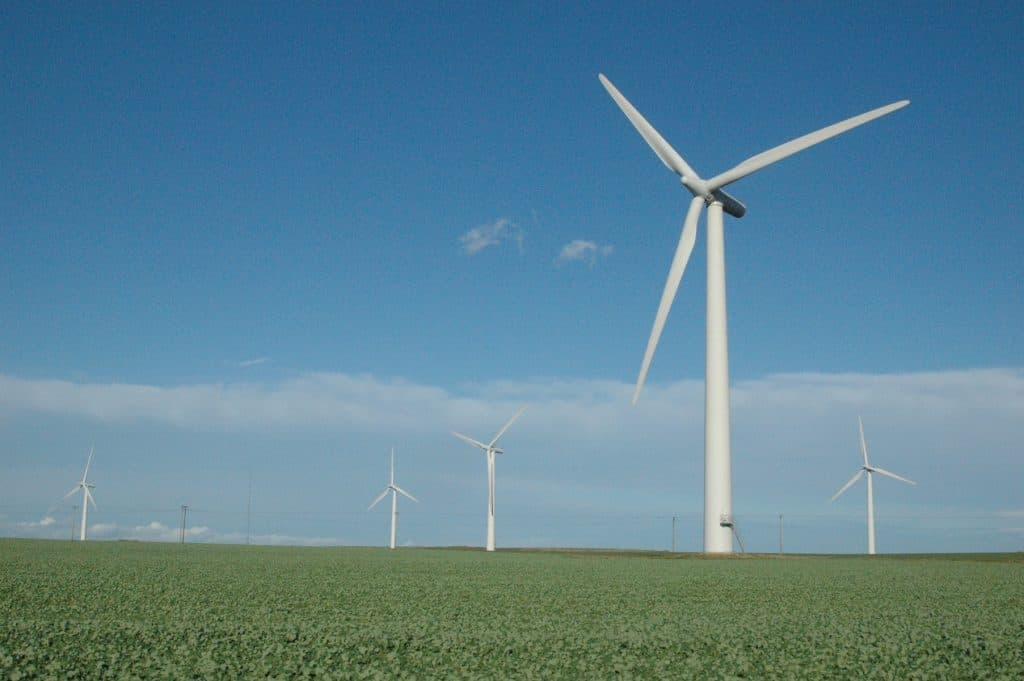
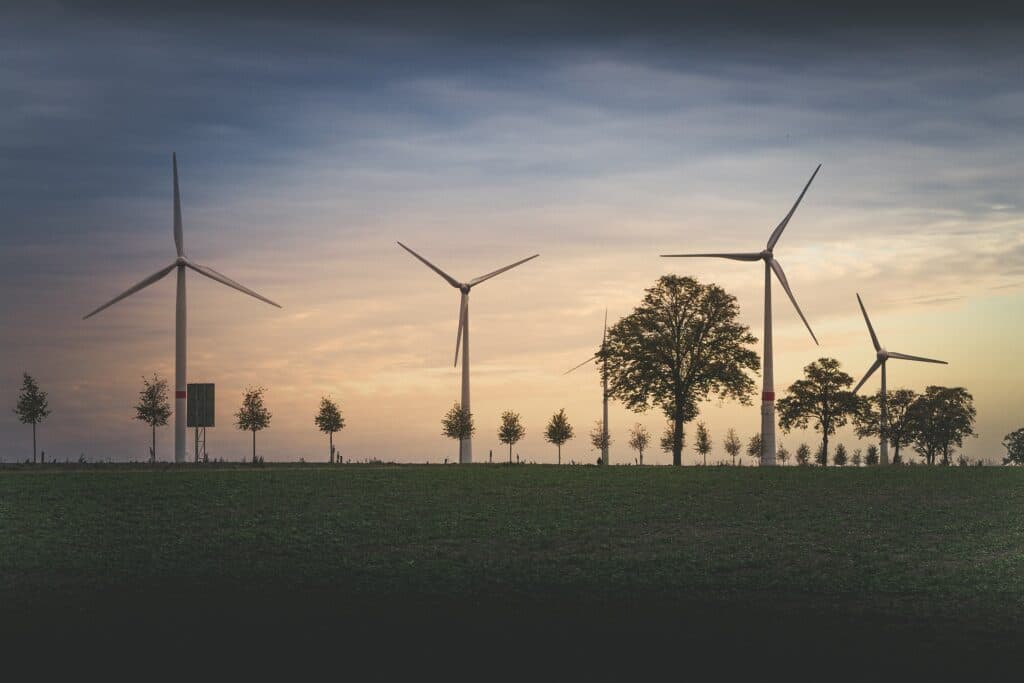
Wind farms are one of the pillars of the ongoing energy transition, helping to decarbonise not only Europe alongside solar power. Development does not always proceed in line with climate plans, however, with lengthy permitting procedures often to blame. According to WindEurope, fewer wind farms were built in Europe during the first half of the year than originally expected. Due to slow permitting processes and grid development, the association has cut its forecast for growth in installed capacity this year by around 15%.
According to WindEurope, new wind capacity totalling 6.8 GW was commissioned in Europe during the first half of this year. Of that, 5.3 GW was in the European Union, and most of the installations were onshore wind farms. Wind capacity across Europe is thus approaching 300 GW, of which more than 250 GW is onshore.
Growth in installed capacity in Europe is being driven primarily by Germany. According to the association, Germany is expected to commission around 5 GW of onshore wind farms this year, almost three times the amount added annually over the past five years. In Germany, however, repowering has been gaining momentum in recent years, with old facilities being replaced by larger, more powerful turbines.
Germany approves projects quickly, but the picture is different elsewhere
According to the association, the implementation of new permitting rules for renewable energy projects is helping drive faster development in Germany. The country approved new onshore capacity totalling 15 GW last year and a further 8 GW during the first half of this year. German authorities thus approve projects within 18 months of an application being submitted, in line with EU legislation, according to the association. However, as repowering continues and old turbines are decommissioned, the net capacity increase is likely to be lower.
"Governments must get their act together on wind energy. Wind energy is competitive – it cuts electricity costs for households and businesses. Wind energy is secure – domestic wind turbines reduce costly and dangerous dependence on fossil fuel imports," said WindEurope CEO Giles Dickson, adding that the sector employs around 400,000 people in Europe and each new wind turbine contributes 16 million euros to Europe's GDP.
Other countries, however, are performing considerably worse than Germany when it comes to permitting new projects. In addition to slow permitting, WindEurope says the sector's growth is also being held back by the slow development of transmission and distribution grids, as well as an inefficient auction system.
Current regulation is also constraining future development
In this respect, significant changes have been visible in recent months, as European countries gradually reassess auction models for offshore projects in which developers are required to pay governments instead of receiving operating support. Recent auctions in Germany and Denmark, which attracted no project bids, are examples.
In light of these developments, WindEurope has revised its forecast for growth in installed capacity this year. While it initially expected EU capacity to grow by 17 GW, it has now lowered that figure to 14.5 GW. By 2030, installed wind capacity in the EU is expected to reach 344 GW. The EU's target for that year, however, is 425 GW.
Translation disclaimer
This article is a machine translation of the Czech original and has not yet been fully reviewed. In case of any doubt, please refer to the Czech version.