22 November 2026, 20:42
Loading...
Wind turbine makers’ race to build ever-larger turbines is taking its toll as failures mount

David Vobořil
16 February 2023, 06:59
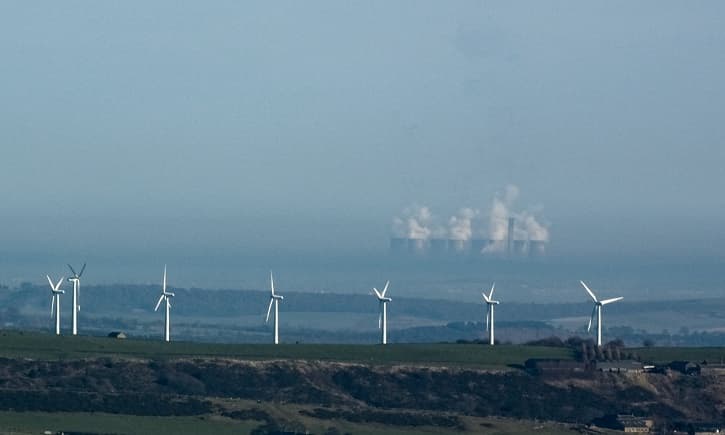
Wind turbine manufacturers and operators in the US and Europe are increasingly facing turbine failures. In several cases, turbines have even collapsed completely. Manufacturers acknowledge that the race to build ever-larger and more powerful turbines is taking a toll on their reliability. This is driving up the cost of warranty repairs as well as insurance.
As wind turbine manufacturers seek to develop ever-larger, more powerful turbines and introduce innovations, failures are becoming more frequent in the US and Europe, ranging from the failure of key components to complete collapses. Some industry experts told Bloomberg that such incidents are becoming more frequent, even though they affect only a small fraction of installed turbines.
The problems have added hundreds of millions of dollars to the costs of the three largest Western wind turbine manufacturers, GE, Vestas Wind Systems and Siemens Gamesa, and could lead to more expensive insurance policies. This could increase the cost of operating these facilities, potentially hindering efforts to accelerate their development.
The race to build ever-larger turbines
Industry insiders cite the race to develop ever-larger turbine models as the main culprit. The growing capacity of new turbine models has contributed to the global expansion of wind power, taking installed wind capacity above 840 GW in 2021, from less than 100 GW in 2007.
The growing size of turbines, with blades up to a hundred metres long, allows each one to harness more wind energy, reducing the number of turbines needed in a wind farm to generate the same amount of electricity. This has lowered project development costs and is the main reason why the cost per unit of electricity generated by wind turbines has fallen significantly over the past decade.
In statements to Bloomberg and recent interviews with analysts, Vestas, GE and Siemens Gamesa confirmed that the push to develop more powerful equipment quickly had led to problems. The companies say they are focused on improving manufacturing operations and have acknowledged that it is time to slow the introduction of new designs.
Translation disclaimer
This article is a machine translation of the Czech original and has not yet been fully reviewed. In case of any doubt, please refer to the Czech version.
The article continues for subscribers
Premium content
The rest of this article is available to premium subscribers only. Get access to all premium articles on oEnergetice.cz.
You have read only 31% of the article — unlock the remaining 69% with a premium subscription.
Best value: annual subscription
Monthly option 4 € / month
3.25 €/ month
You might also like
22 November 2026, 08:19
22 November 2026, 07:22

21 November 2026, 07:47