29 November 2026, 07:50
Loading...
Flying without oil? Analysis shows why the path to SAF will be costly and complex
Erik Novotný
29 November 2026, 07:50
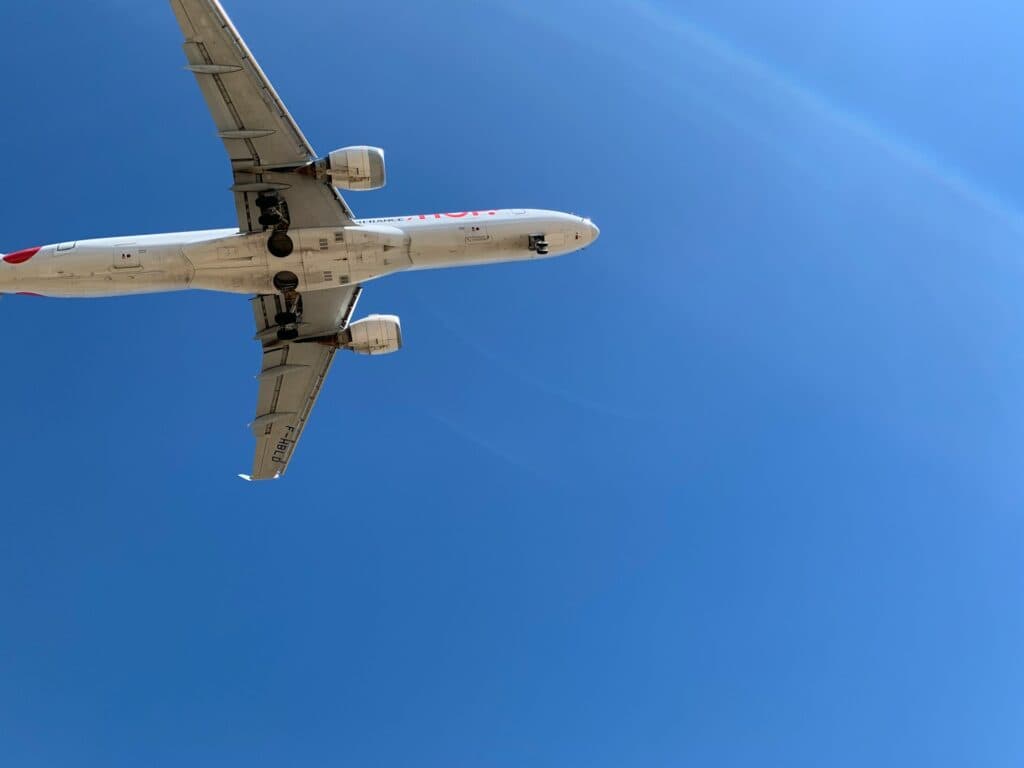
Sustainable aviation fuels (SAF) are intended to gradually wean aviation off oil. Their production, however, faces limited feedstock availability, technological concentration and high costs. A new analysis by think tanks Bruegel and Rhodium Group shows what obstacles the industry must overcome to meet growing demand.
In 2025, SAF accounted for just 0.6% of global aviation fuel consumption, yet the global market was worth more than four billion euros. The price gap with conventional kerosene remains substantial. Even after traditional fuel prices rose as a result of disruption to oil shipments through the Strait of Hormuz, SAF remains about twice as expensive, while the synthetic variant costs as much as 3.6 times more.
Demand is therefore driven primarily by regulatory requirements and voluntary commitments. Under the ReFuelEU Aviation regulation, the European Union requires SAF to account for 6% of fuel at EU airports by 2030 and 70% by 2050. The share stood at 2.79% in 2025, putting the European market ahead of its interim target.
Translation disclaimer
This article is a machine translation of the Czech original and has not yet been fully reviewed. In case of any doubt, please refer to the Czech version.
The article continues for subscribers
Premium content
The rest of this article is available to premium subscribers only. Get access to all premium articles on oEnergetice.cz.
You have read only 25% of the article — unlock the remaining 75% with a premium subscription.
Best value: annual subscription
Monthly option 4 € / month
3.25 €/ month
You might also like
28 November 2026, 20:03

28 November 2026, 08:17
28 November 2026, 08:07