World is nearing the end of the fossil fuel era, says IEA chief

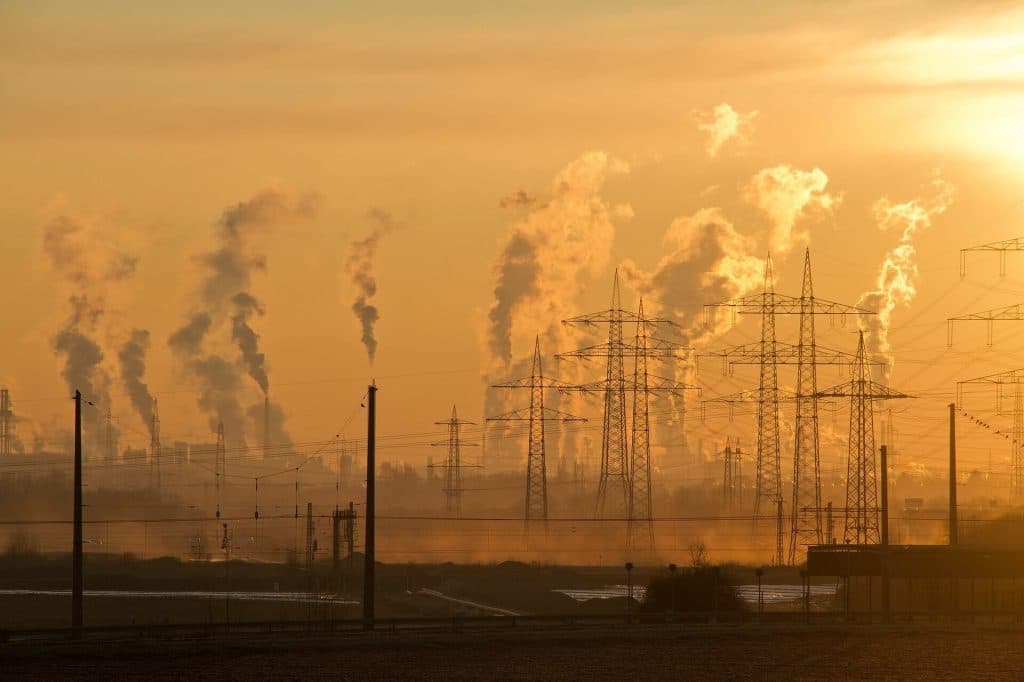
The world is at the beginning of the end of the fossil fuel era, with demand for oil, natural gas and coal set to peak before 2030. Fatih Birol, head of the International Energy Agency (IEA), told the Financial Times (FT). The agency will estimate in its latest outlook next month that consumption of the three main fossil fuels will start falling as soon as this decade, thanks to the rapid growth of renewable energy and electric vehicles.
Governments around the world have increased investment in renewable energy in response to climate change and the energy crisis triggered by Russia’s invasion of Ukraine. Many, however, have faced criticism over spending during a cost-of-living crisis.
Last year, the IEA estimated that overall demand for fossil fuels could peak around 2030. It will now bring forward its forecast, as the development of renewable energy has accelerated over the past 12 months.
Birol highlighted structural changes in China, which is shifting from heavy industry to less energy-intensive sectors and services. „China accounted for a third of global growth in natural gas demand and two-thirds of growth in oil demand over the past decade,“ Birol said. „Solar, wind and nuclear power will eat into the potential growth in coal (consumption) in China,“ he added.

According to the IEA chief, politicians should adapt quickly to the shift to cleaner energy sources, which he said could be accelerated through policies with a greater focus on air quality protection. They should pursue this approach despite concerns that voters will not tolerate such a rapid change.
The United States and the European Union have launched ambitious programs to expand renewable energy, but face criticism from political opponents over the high costs. European Parliament President Roberta Metsola warned of the consequences this month. Brussels’ climate policy could lead voters to turn to populist parties, she said.
The IEA and Birol face criticism from major fossil fuel producers, who warn that insufficient investment in oil and gas production and supply could trigger an energy crisis in the future if the forecast of peak demand proves too optimistic. In April, the Organization of the Petroleum Exporting Countries (OPEC) accused the IEA of destabilizing the market with its calls to halt investment in developing new oil production.
Translation disclaimer
This article is a machine translation of the Czech original and has not yet been fully reviewed. In case of any doubt, please refer to the Czech version.