
28 October 2026, 15:10
Loading...
Bloomberg: Polluters in South Korea profit from emissions allowances

oEnergetice.cz, ČTK
26 February 2024, 15:26
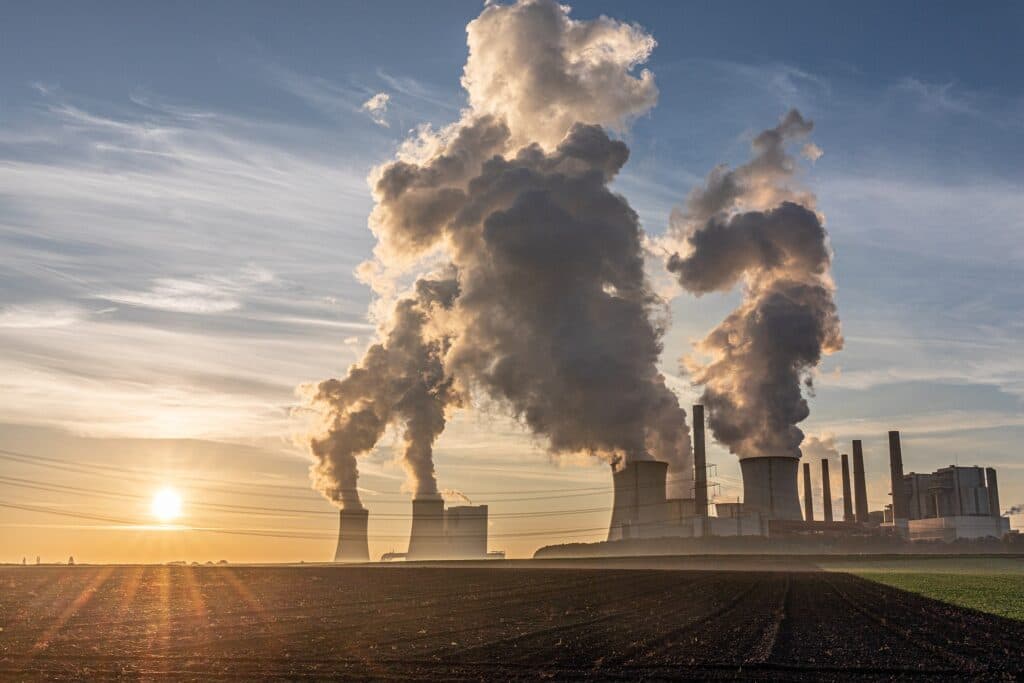
South Korean companies that pollute the air the most have earned 475 billion won (CZK 8.3 billion) over eight years from selling unused carbon dioxide (CO2) allowances. Bloomberg reports this, citing data from climate advocacy group Plan 1.5. South Korea became one of the first countries in Asia to launch an emissions trading system eight years ago.
The ten biggest polluters sold allowances for nearly 22 million tonnes of emissions between 2015 and 2022. The national emissions allowance system covers nearly 700 companies. In 2021 and 2022, the emissions trading system had a surplus of 39.2 million tonnes in total, according to a Plan 1.5 analysis. This is equivalent to about six percent of South Korea’s total emissions in 2022.
The country has so far failed to persuade industrial polluters to pollute less, because too many allowances have been issued, mostly for free. The analysis adds to pressure on the government to improve the programme, which is a key pillar of the country’s commitment to reduce greenhouse gas emissions by 40 percent by 2030, compared with 2018 levels.
„South Korea’s emissions trading system is failing in its primary purpose, which is to make carbon-intensive businesses pay for polluting,“ said Plan 1.5 programme director
5 Kwon Kyung-rak. „The total allocation in 2030 should be reduced by about 30 percent from its current level; otherwise, the system will continue to be a money-making tool for these companies.“
Last October, the government said that following consultations with stakeholders, it planned to tighten the overall emissions allowance cap to give companies greater incentives to reduce pollution.
South Korea’s biggest emitter is steelmaker Posco. In 2022, the company had unused allowances because a typhoon curtailed production. As a result, it earned 31.1 billion won from selling allowances that year, while in 2021 it bought allowances worth 21.3 billion won.
Emissions allowances in South Korea have fallen in price by about 43 percent over the past year, to 9130 won (CZK 160) per tonne. That is a fraction of the price in the European Union, which has the world’s largest emissions trading system.
According to LSEG data, the value of global emissions allowance markets reached a record 881 billion euros (CZK 22.3 trillion) last year, up two percent from the previous year. Allowances for about 12.5 billion tonnes of carbon dioxide emissions changed hands on global markets last year, roughly the same amount as the year before.
The value of the European ETS rose by two percent to 770 billion euros last year. The price of allowances in the EU rose to a record of more than 100 euros (CZK 2530) per tonne last February. By the end of the year, however, it had fallen due to weak demand from industrial buyers and the energy sector. The downward trend continued at the start of this year, when the price fell below 60 euros per tonne.
Translation disclaimer
This article is a machine translation of the Czech original and has not yet been fully reviewed. In case of any doubt, please refer to the Czech version.
Sdílejte článek prostřednictvím:
You might also like

28 October 2026, 13:08

28 October 2026, 11:10

28 October 2026, 09:08
